FR EN

Our specialists are available

Monday to Friday, 9am to 7pm

Saint-Germain-en-Laye:

01 77 37 03 10

Geneva:

022 512 70 70
Request a quote
Request a quote

Atmosphere in the Azores © All rights reserved

Azores

The breath of whales

Tailor-made trip to the Azores

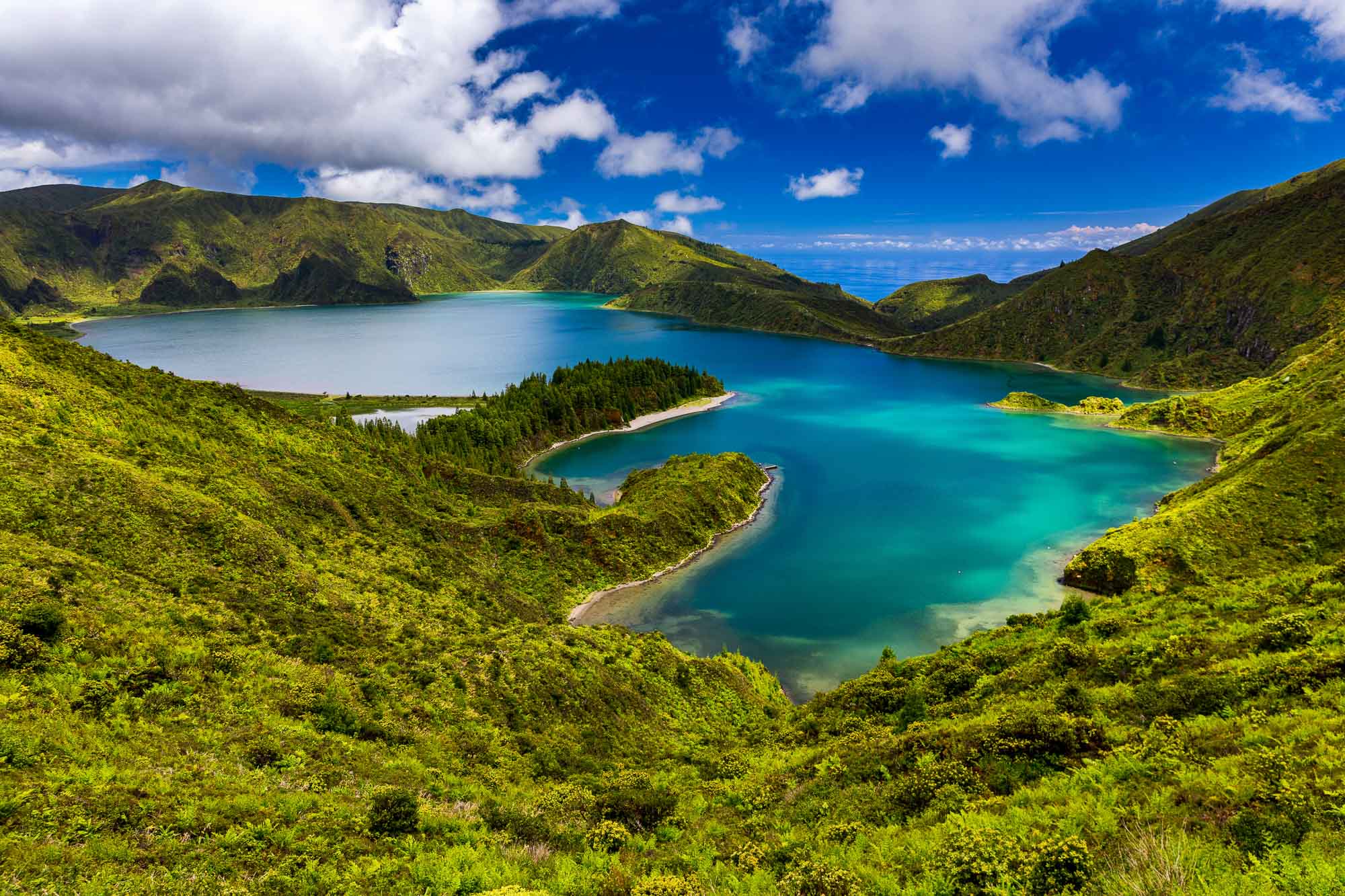
Isolated in the middle of the Atlantic Ocean, 1,400 km from the Portuguese coast, a chain of nine volcanic islands forms the Azores archipelago.
A pioneer of sustainable tourism, this archipelago is one of the greenest destinations in the world.
During your trip to the Azores, you'll find that each island is different. On the island of São Miguel, for example, you'll discover bubbling geysers. On Faial, it's the lunar landscapes of Capelinhos. Then you can hop on a ferry to reach Pico — an island dominated by its imposing volcano, covered in broad lava flows and endemic forests. An island that is also home to magnificent vineyard landscapes, listed as a UNESCO World Heritage site.

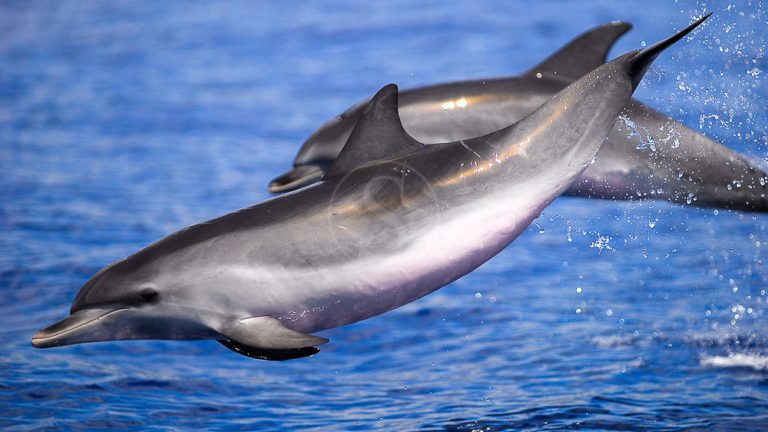
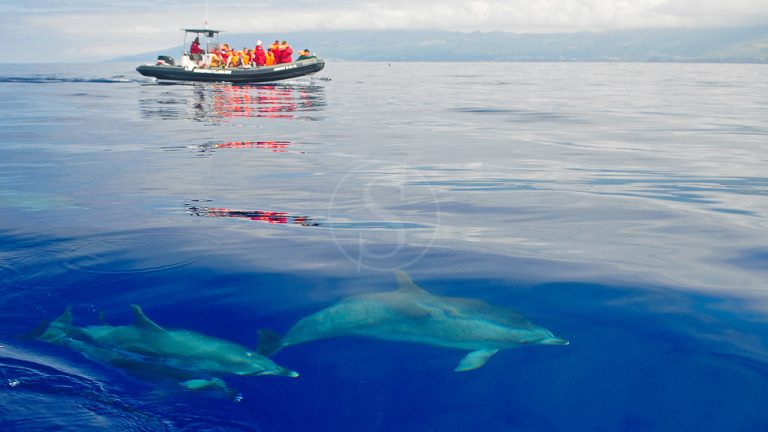
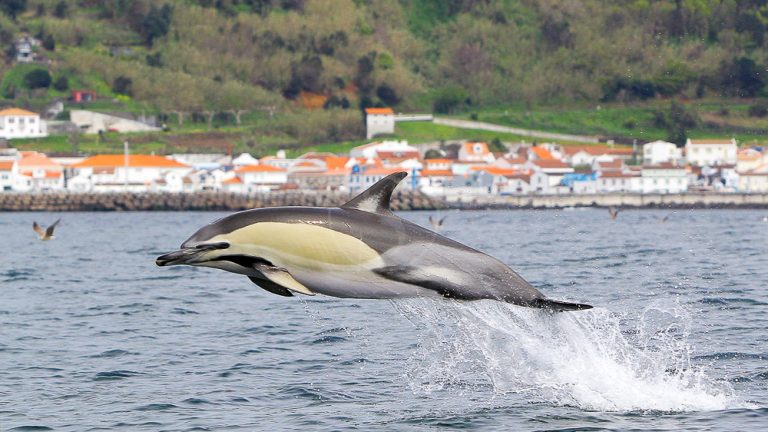
It was from Lajes de Pico that men once set out to hunt whales. Today, whale hunting is a thing of the past. Instead, whales, sperm whales, rorquals and dolphins are observed in this small corner of paradise. A unique observation site that we favour for your trip to the Azores. And with this experience, we genuinely believe we offer you the best, the finest and the most honest encounter with these cetaceans.
A unique atmosphere for an unforgettable adventure!

Read more Collapse

We'll create your tailor-made journey

4 good reasons to visit the Azores

  • WHALE WATCHING WITH THE UTMOST RESPECT FOR CETACEANS
  • AN ARCHIPELAGO FAR REMOVED FROM MASS TOURISM
  • AZOREAN HOSPITALITY
  • A HIKER'S PARADISE

When to go to the Azores

Les cétacés sont présents toute l’année. Mais certaines espèces comme les cachalots, les rorquals boréals ou les baleines à fanons sont plus fréquents en été. Nous recommandons de partir entre avril et fin octobre. À cette période, la mer est aussi plus calme, donc plus propice à la navigation. Les cétacés sont visibles dans la ...
Learn more

Budget to plan for

For a one-week trip dedicated to whale watching, budget on average €1,300 per person. Since flight options are limited, it’s the airfare that significantly shifts the overall budget. One piece of advice: book early!

Read more Collapse

Expert advice

One week is needed for whale watching.
If you extend your stay, for example to the island of São Miguel, allow at least 3 additional nights.
12 days are recommended if you wish to visit 3 or 4 islands.

Read more Collapse

A word of caution

To swim or not to swim, that question no longer applies!
The Azores have always been one of the best cetacean-watching hotspots in the Northern Hemisphere, particularly around the volcanic island of Pico.
Moving through a wild environment, travellers can approach dolphins, protected mammals, while observing certain safety rules as well as the ethical code of conduct for environmental protection.
By offering journeys centred on nature and wildlife observation, Étendues Sauvages supports an approach to environmental preservation that keeps alive the wonder these places can offer.

Our local correspondent, awarded the silver medal of “tourism merit”, has upheld a very strict policy on swimming with dolphins since 2001. Having set up the first cetacean observation base at Lajes do Pico, he dreamed of getting the local government and the companies offering these same activities to adopt this code of conduct. “I’m convinced it’s possible to enjoy wonderful underwater encounters with dolphins by combining passion and respect,” he said at the time.

Sadly, 15 years later, the ecological situation caused by the growth of these tourist activities is worrying: “irresponsible and disrespectful behaviour from most whale-watching companies”, “a lack of enforcement of existing regulations” — he fears an irreversible impact on the species observed.

This is why we decided in 2018 to stop promoting swimming with dolphins as an activity. A first step towards a genuine awareness of environmental issues, driven by efforts to change swimmers’ behaviour. “Helping to conserve threatened species is also part of our mission,” our correspondent points out. Not encouraging poor behaviour and acting for responsible tourism is our guiding principle.

A genuine call to all tourism operators and local authorities to:
– stop swimming with dolphins, for the animals’ welfare but also to restore the image of whale watching in the Azores
– regulate swimming with sharks, an increasingly requested activity

Convinced that a different kind of tourism is possible, Étendues Sauvages invites you instead to choose whale watching with its brand-new programme: an 8-day adventure in Lajes de Pico, combining cultural visits, hikes through nature, cetacean observation and wildlife talks led by a team whose passion never wavers.


Read more Collapse

Our clients say it best

You may also like