



Benguerra Lodge, Mozambique © andBeyond
Mozambique
Wild beaches, diving and safaris
Tailor-made travel to Mozambique
Read more CollapseMozambique: wild beaches and authentic safaris


We create your tailor-made journey
4 good reasons to travel to Mozambique
- AN AUTHENTIC AFRICA, STEEPED IN HISTORY
- MAGNIFICENT BEACHES
- EXCEPTIONAL DIVE SITES
- AN ENDEARING COUNTRY AND UNFORGETTABLE SMILES
A favourite of ours


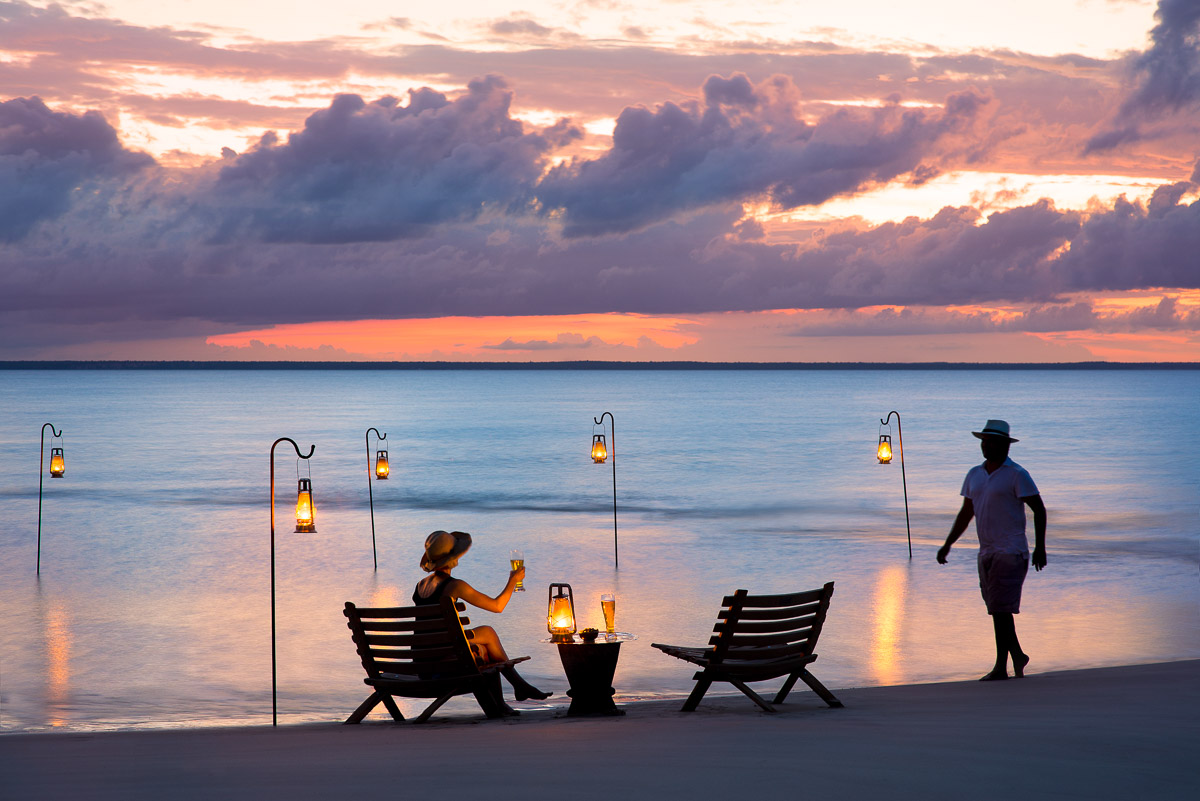
andBeyond Benguerra Island Lodge
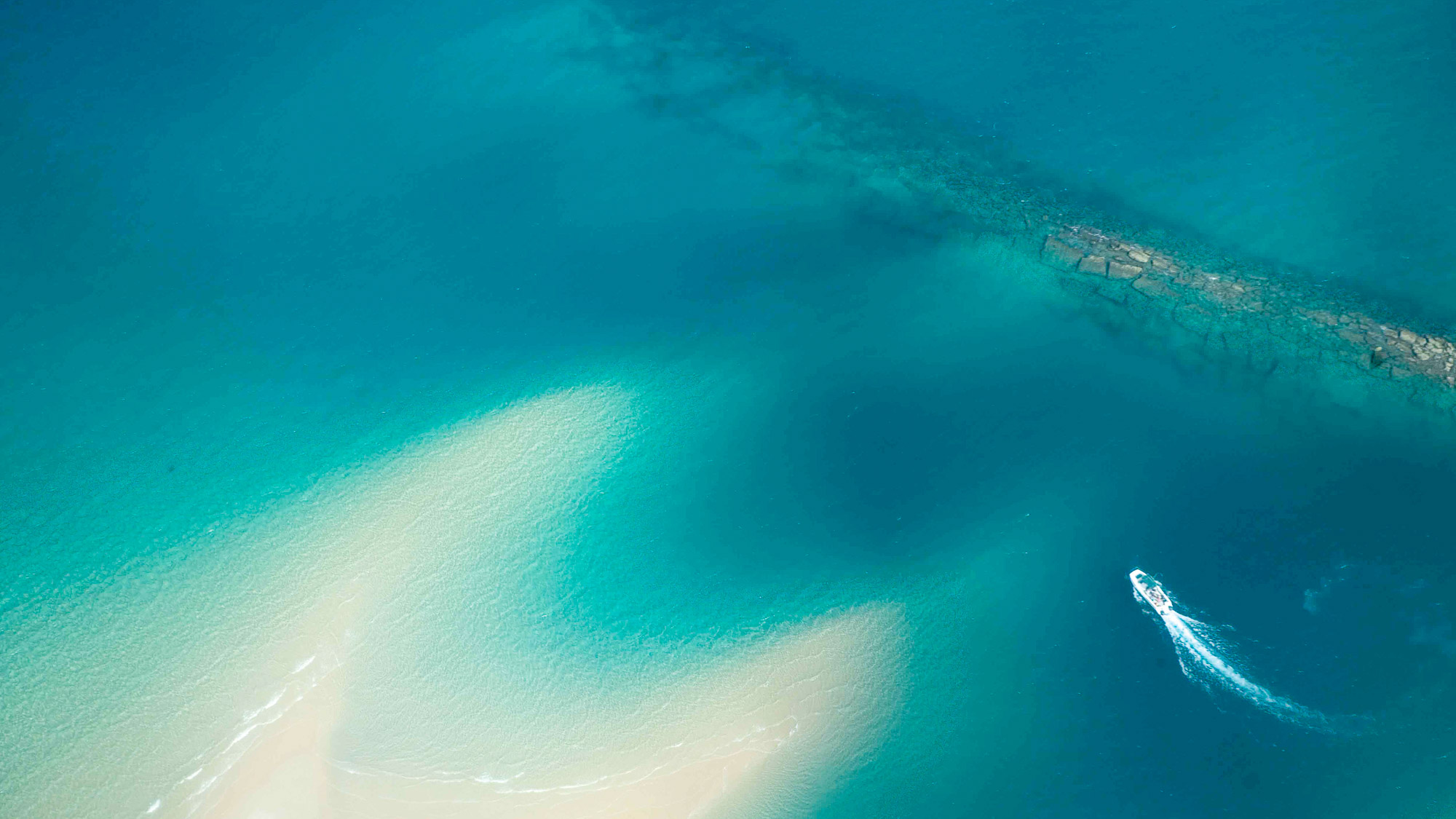
By Aurélie, Mozambique specialist: “The dream begins with a helicopter flight to reach Benguerra Island, in the Bazaruto archipelago. Sandbanks, turquoise waters, dolphins, dhows... the spectacle is magnificent. A corner of paradise where time seems to have stopped, freezing the sand dunes as they plunge into the Indian Ocean. A paradisiacal setting, an island out of time, warm-hearted residents and unforgettable children's smiles. A Portuguese cultural heritage that comes through in the architecture of the sumptuous villas, and equally in the remarkable cuisine.”
Discover this favouriteConsult us to design your tailor-made journey
Tailor-made trip ideas for Mozambique
100% customisable to your wishes
They're talking about it

When to travel to Mozambique
Budget to plan for
Expert advice
Your questions / Our answers
How to get to Mozambique?
Mozambique’s main carrier, LAM, was blacklisted until recently, so other options exist to get there, but in every case you’ll need to transit via Johannesburg, whether arriving in Maputo, the capital, or Vilanculos, gateway to the region’s beach stays.
If you’re staying in Kruger National Park before continuing your journey to Mozambique, you can take a direct flight from Nelspruit (Kruger region).
Is Mozambique a destination for divers?
Without a doubt! Mozambique is full of underwater wonders.
Mozambique is one of the best diving destinations in the world, with remarkably well-preserved coral reefs and an abundant variety of marine life that divers of all levels can enjoy year-round.
Sea temperature ranges from 30°C in summer to 21°C in winter.
Mozambican waters are home to a multitude of coral and fish species, and are notably frequented by manta rays and whale sharks.
A few lucky visitors may also catch sight of the rare dugong. Above the waves, dolphins are commonly encountered, along with leatherback, loggerhead and green turtles.
Sightings are nearly guaranteed.
Generally present from October to May, whale sharks and manta rays patrol the plankton-rich waters, while humpback whales pass through the Mozambique Channel on their way from Antarctica.
From July to October, you can watch their impressive migration.
Reef depths range from 10 to 40 metres, offering good visibility and fantastic opportunities for photography — not only of the incredible variety of corals, but also of more than 6,000 fish species. The reefs attract a wide range of predatory fish, while the coral shelters myriad small, brightly coloured fish, including schooling fish, moorish idols, butterflyfish, blue-striped snappers, barred sweetlips and triggerfish.
Diving in Mozambique is an excellent activity year-round, and tailor-made diving itineraries, varied and full of excitement, can be arranged.
Most lodges in Mozambique are happy to welcome divers of all levels, and courses can be arranged for beginners and intermediates.
Can you go on safari in Mozambique?
Several wildlife parks do exist, but in our view Mozambique cannot yet be considered a safari destination. Despite positive progress, there are still too few animals and lodges. The parks are hard to reach and the tracks are in poor condition. The country isn’t ready yet, but it’s moving in the right direction.
Mozambique is a little-known destination, yet rich in assets. While waiting for quality safaris to develop, come and discover its raw, unspoilt beaches, its endearing population, its numerous dive sites and the Bazaruto archipelago, which needs no introduction: dunes running into a gradient of turquoise, white sand beaches and multicoloured fish!
Want to go on safari before unwinding in Mozambique? No problem. A direct flight from Kruger will take you to Vilanculos, the gateway for visiting the Bazaruto archipelago.