



Tiger Safari in India © Alain Pons
India
Tiger and ancient culture
Tailor-made trip to India
Read more CollapseFor your trip to India


We create your tailor-made journey

Why travel to India
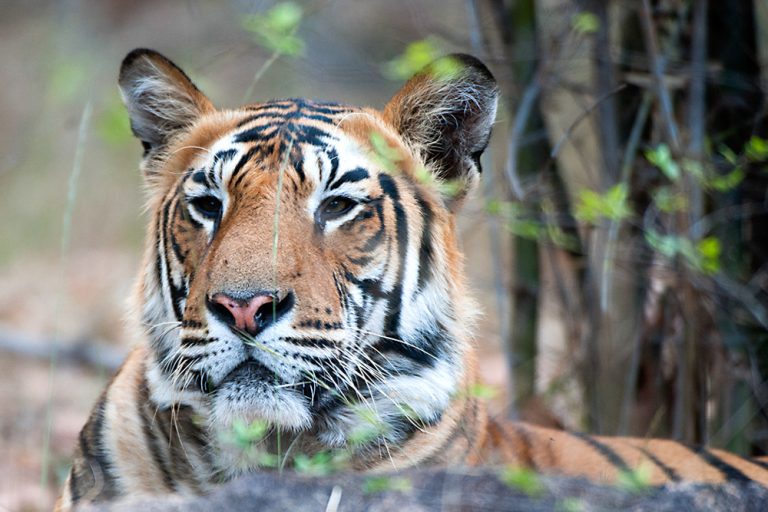
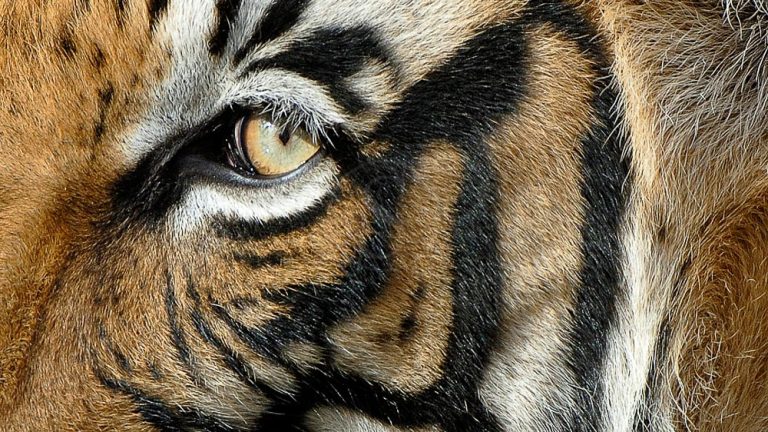
- THE BENGAL TIGER
- MAGNIFICENT LANDSCAPES
- THE DIVERSITY OF ITS WILDLIFE
- ONE OF THE BEST CUISINES IN THE WORLD
- CITIES WITH A RICH CULTURAL HERITAGE
- AN INCOMPARABLE ATMOSPHERE
A particular favourite


Sujan Jawai
By Bénédicte, Étendues Sauvages' Asia specialist: “It took me a while to decide to go to India. But once there, despite some difficult street scenes, I found myself drawn in by something I had never encountered anywhere else, indescribable, spellbinding. That's what I wish for every traveller heading to this compelling destination. As soon as you leave the cities, nature is everywhere. And while the tiger is one of the most sought-after prizes, the Indian leopard also deserves our full attention. The Sujan Jawai Leopard Camp is a not-to-be-missed experience during your next trip to India. Probably the best place in the country to observe leopards.”
Discover this favouriteConsult us to design your tailor-made journey

When to travel to India
Budget to plan for
Expert advice
Your questions / Our answers
Should you tip for every service rendered in India?
Tipping is indeed a national sport in India! Even taking a photo in the street can cost you a tip. Indians are quite persistent about this. Always keep small change on hand.
In restaurants, however, it’s worth being firm — tip once at the end of the meal rather than every person who helps you.
Is it possible to do an Ayurvedic cure in just 2 to 3 days?
Be careful with Ayurvedic cures — standards vary widely. A genuine cure over just 3 days makes little sense. You’ll get a glimpse of what an Ayurvedic treatment involves, but a proper cure requires a minimum of 9 to 10 days to follow the full protocol. Slightly less during monsoon season (6 to 7 days), as the high humidity speeds up the process.
Moreover, undertaking an Ayurvedic cure in the mountains — in the Himalayas, for instance — isn’t appropriate, since the general principle behind the treatments relies on sweating to draw toxins out of the body. What’s offered in the mountains is very relaxing — a wonderful place for treatment and wellbeing — but by no means the most suitable setting for a genuine Ayurvedic cure.
Can you find international dishes in India?
Food in India is a real question! You’ll find international dishes everywhere in tourist restaurants. But do try Indian cuisine — it’s a remarkable range of discoveries that will challenge your palate and your senses! Be warned: the notion of “mild” in India is far removed from ours, and even from what’s served in Indian restaurants in Europe, which have adapted to European tastes.
Can you swim in India?
Unless you are at a location where swimming is permitted, we advise against swimming in India.
Dipping into rivers and ponds is not advisable, for obvious hygiene reasons, as our bodies are not accustomed to fighting off the parasites and microbes found in India. At sea, take great care. Beaches are not monitored and currents can be very strong and dangerous. Stick to your hotel pool instead.
Can a woman travel alone in India?
Yes, you can travel alone, but keep in mind that the status of women in India is different. It’s best to blend in and opt for the Salwar Kameez, an everyday outfit worn by local women combining trousers, tunic and scarf. For train journeys, choose first class and avoid travelling at night.