


Tubu Tree, Botswana © Wilderness Safaris
Safari in Botswana
Exceptional lodges and exclusive experiences
Tailor-made safari in Botswana
Read more CollapseLuxury safari in Botswana


We design your tailor-made safari in Botswana
A favourite of ours


Duba Plains Camp
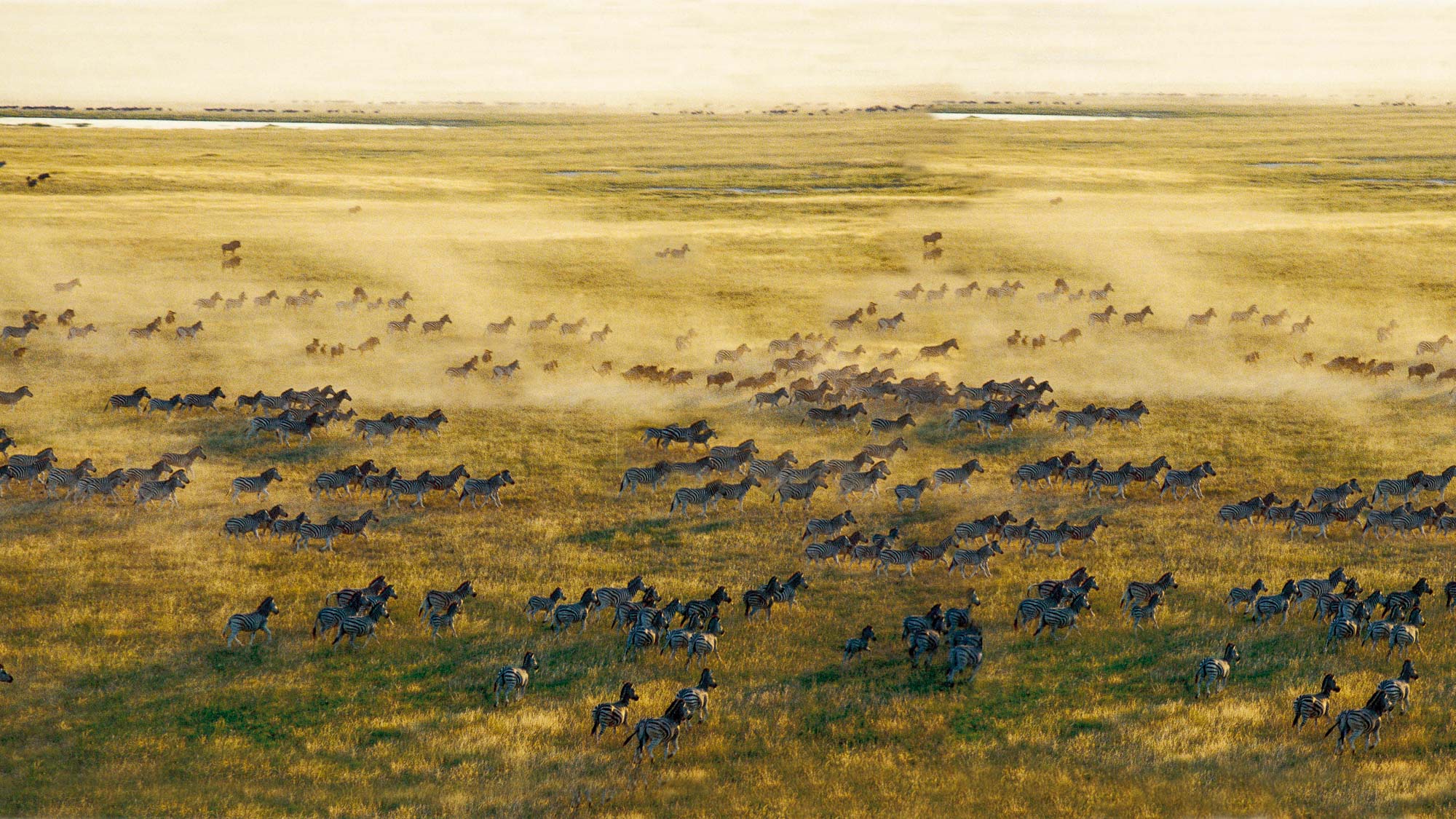
By Aurélie, Southern Africa specialist: “The sun has barely risen over the Okavango Delta, draping the savannah in golden light. Wonder. Then the action begins: a herd of buffalo bursts forward, predators surge after them. The scene looks straight out of a documentary, and I find myself a privileged spectator. The camp, intimate and refined, blends into the surroundings. Here, luxury lies in the detail, in time suspended, in total connection with wildlife. A rare, precious interlude, one I won't forget, in one of Botswana's finest settings.”
Discover this favouriteConsult us to design your tailor-made journey


When to travel to Botswana
Budget to expect
Expert advice
Our one gripe
Your questions - Our answers
Can you go on safari in Botswana by renting a vehicle?
The answer is yes, but it’s not advisable at all.
In Botswana, tracks in national parks and reserves are mostly very sandy, particularly in the Moremi reserves and in Chobe National Park around Savute.
Renting a vehicle with a rooftop tent should be reserved for those who know the animals well and are used to driving a 4×4 in difficult conditions. Otherwise, there’s a risk of a dream holiday turning into a nightmare…
What is the best season to travel to Botswana?
This is the paradox of Botswana, and the Okavango Delta in particular: thanks to rains falling in Angola, it is at the height of the dry season that water returns and life comes back to the Kalahari.
The best time to visit the Okavango Delta is therefore the dry season, between May and October, when you can expect warm, sunny days (around 20 to 35°C) and cool nights. This is also when water levels in the Okavango Delta are at their highest, forming the channels and waterways for which Botswana is known.
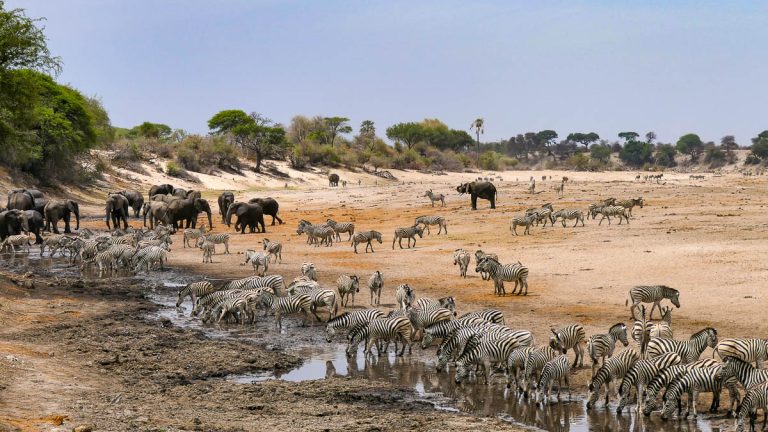
It also depends on what you’re after: do you want to spot a multitude of wildlife gathered around a scarce water source without too much effort? Or are you unbothered by the occasional rain shower, and would rather see birds and newborn animals in lush green grass?
From late November to April, it’s the rainy season in Botswana. Temperatures are high and so is humidity.
January and February see the heaviest rainfall of this period; some lodges close and some tracks become impassable. But this is also when the birthing season, which started in December, is in full swing, and the grass is green with lush vegetation. The Okavango also sees a massive influx of migratory birds during this time, making it the best period for birdwatching.
In March and April, rain is limited to afternoon showers, and the bush gradually dries out.
To sum up, the ideal period runs from June to September to visit the Okavango Delta and Chobe National Park, though some areas can get very busy and rates are at their highest. At Étendues Sauvages, we’re partial to May and October, which offer mid-season rates while still delivering pleasant weather and rich wildlife viewing. Temperatures are moderate, with little to no cloud cover or rainfall.
For drier parks such as the Central Kalahari and the pans, March to May is preferable. Choose the austral summer if you want to experience the birthing season and birdlife on a much more affordable budget.
Can you go on a mobile tented safari without a guide?
Yes, this is entirely possible but not advisable at all unless you have thorough knowledge of Africa and animal behaviour.
The first challenge is driving a 4×4 in difficult conditions with large, potentially dangerous animals nearby. What do you do if you’re stuck on a track with a few dozen elephants around you? Believe us, the first time is quite something!
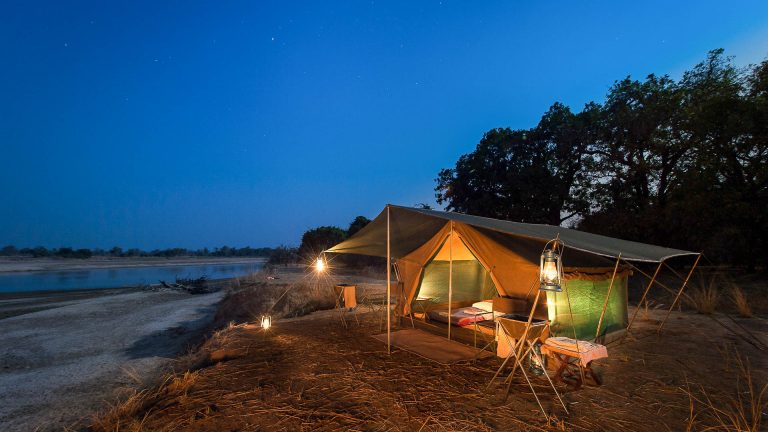
Then comes the matter of camp logistics. You need to be 200% self-sufficient (water, food, fuel, electricity…), with no means of communication other than a satellite phone. South Africans or Namibians who organise these trips themselves spend several weekends and holidays in the bush every year. They’re experienced and over-equipped. We are not.
Moremi Reserve is not the Fontainebleau forest!
For your holiday to actually be a holiday, we recommend using the services of a guide and a team that handles all the logistics, whether travelling in a small group of 6 or 7 people, or on a private basis.
Which vaccines are mandatory or recommended for Botswana?
No vaccine is mandatory for Botswana unless you have stayed in or transited through a country affected by yellow fever. Antimalarial treatment is strongly recommended, and we also advise being up to date with your routine vaccinations.
Can you go on water-based safaris year-round in the Okavango Delta?
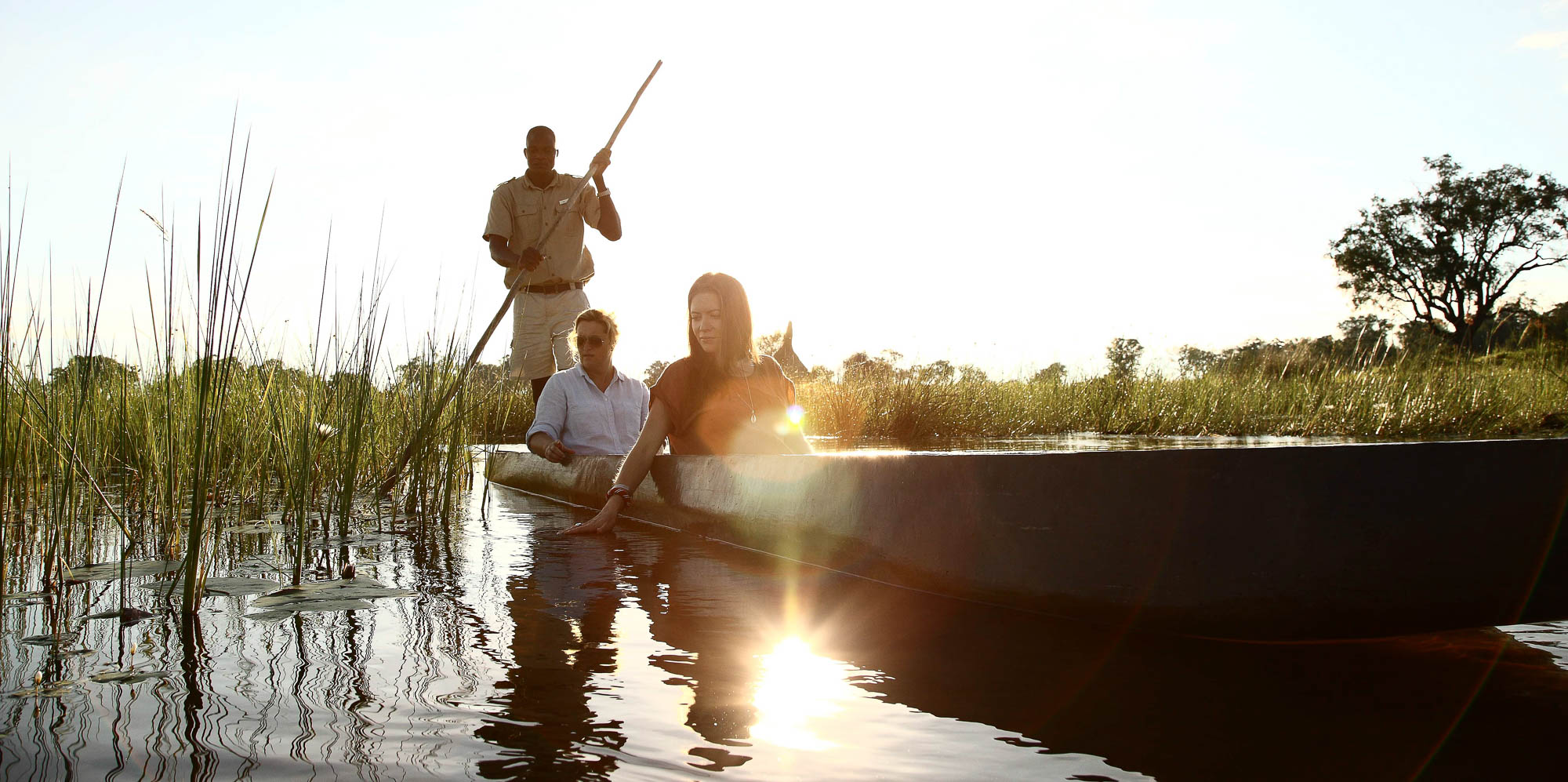
Water levels in the Okavango Delta depend directly on rainfall in Angola during the austral summer, between December and February. The water then takes over 1,000 km to flow down and flood the vast fan-shaped delta. Water-based safaris therefore don’t start before April/May. Waters peak between June and August and recede gradually until late November/early December. Rainfall varies from year to year, however, sometimes arriving early, sometimes late, so mokoro and boat outings are always subject to weather conditions.
Some areas and lodges have a permanent lagoon, where water-based activities are possible year-round.