



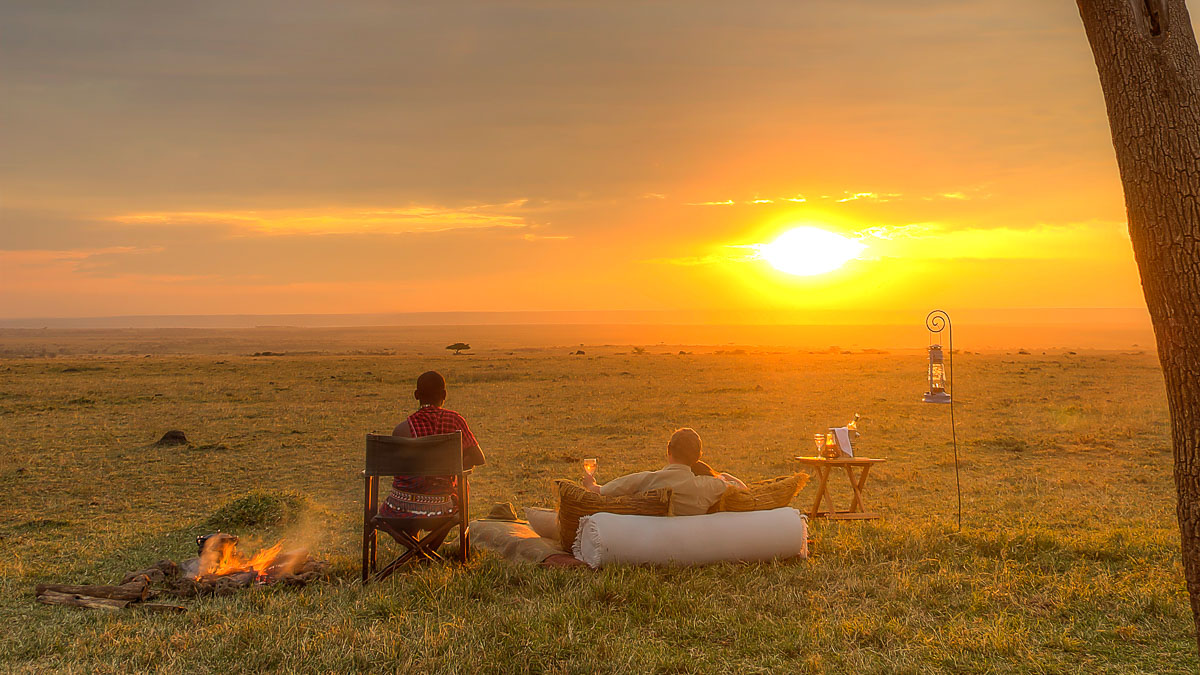
Mara Plains Camp, Kenya © Great Plains Conservation
Kenya
Out of Africa
Tailor-made safari in Kenya
Read more Collapse


We create your tailor-made journey
6 good reasons to go to Kenya
- GRAND, VARIED LANDSCAPES
- A HIGH CONCENTRATION OF PREDATORS IN THE MASAI MARA
- EXCLUSIVE SAFARIS THANKS TO MULTIPLE CONSERVATION AREAS
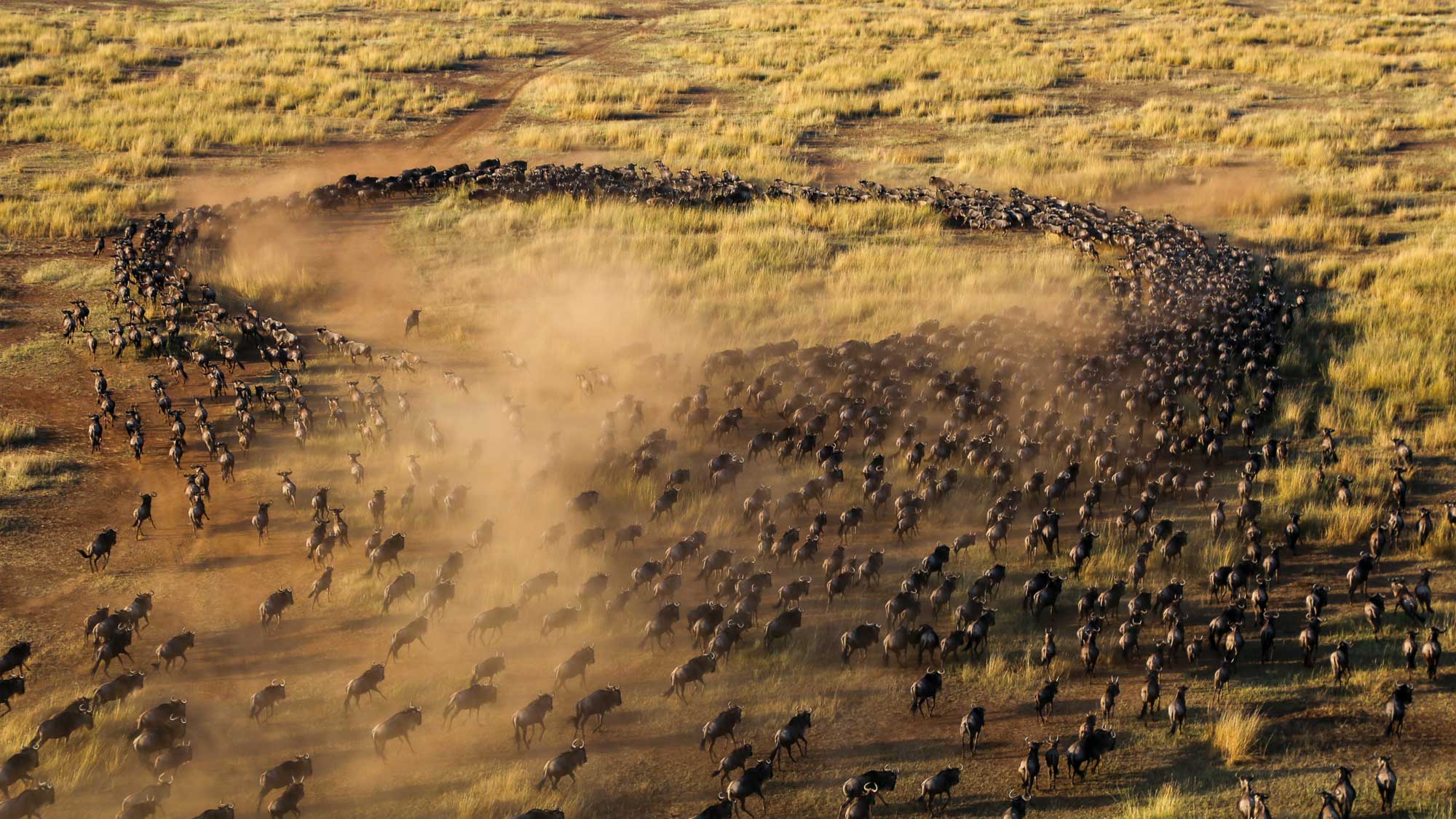
- THE WILDEBEEST MIGRATION IN THE MASAI MARA
- THE OPTION OF A PRIVATE SAFARI WITH A FRENCH-SPEAKING GUIDE
- THE EASE OF COMBINING SAFARI AND BEACH
Our favourite


Mara Plains Camp
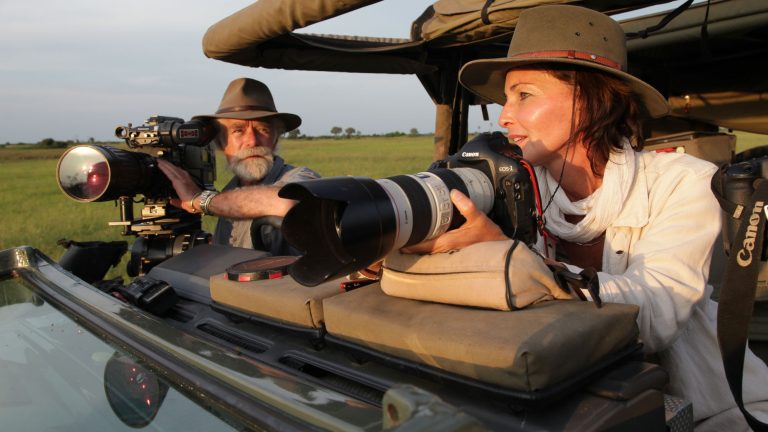
By Bernard L., traveller with Étendues Sauvages: “Our stay at Mara Plains Camp? Magnificent! This lodge is obviously superb, the room vast, the cuisine gastronomic, the staff friendly and efficient. There are photos everywhere taken by the owners, Derek and Beverly Joubert. We had an excellent guide, with an eagle eye for finding animals. He knew how to position the vehicle for a photographer, and above all he anticipated the reactions and movements of prey and predators — an enormous asset! We witnessed a leopard hunt and several cheetah hunts; none successful, except one: four young cheetahs caught a young Thomson's gazelle and “played” with it for quite a while. The guide, with fifteen years of experience, had only witnessed this once before. A rather unique moment, then. We also observed several other cheetah scenes, alongside a BBC crew — two superbly equipped vehicles led by the famous Jonathan Scott. I will certainly return to this place!”
Discover this favouriteConsult us to design your tailor-made journey
When to go to Kenya
Budget to plan for
Expert advice
Our pet peeve
Your questions / Our answers
We hear Kenya is overrun with tourists — is that true?
Yes and no. It all depends on how you experience Kenya. This country has largely developed mass tourism. The “classic” route, as we call it (and don’t sell), namely Amboseli / Tsavo / Mombasa, is very touristy. Every itinerary passes through these parks, whether an individual trip or a group tour, because these sites are easy to combine.
We don’t like easy options, and we know Kenya can very well be an intimate destination. The northern regions, for instance, around Samburu, Loisaba, and the Laikipia plateau, are lesser-known areas with very little tourism, where you can go on superb safaris and discover the landscapes of Out of Africa. Activities there are also highly varied: walking safaris, horseback safaris, cycling, flights over the plains, and more.
As for the Masai Mara, the reserve with the highest concentration of wildlife in Africa, it’s impossible not to visit it on a Kenya safari.
Here too, it’s easy to end up among dozens of vehicles. But once again, there are ways to experience Kenya as it should be experienced. The best option is to visit the Mara while staying in private reserves. These have a very limited number of beds, so you’ll encounter few or no other vehicles — for the best possible wildlife viewing.
Is it dangerous to travel to Kenya?
Not if you follow a few common-sense rules and avoid certain areas. We always design the itinerary to steer clear of risk zones, such as the Somali border (Lamu archipelago to Malindi), certain districts of Nairobi, and the borders with South Sudan and Ethiopia. Beyond the threat of Somali incursions, various conflicts can arise between regions, tribes and clans over land, livestock and water. Outside these non-touristic areas (apart from Lamu), you can travel through Kenya with complete peace of mind, even with children. Areas worth visiting, such as the beach resorts south of Mombasa or the national parks (notably Masai Mara, Tsavo, Amboseli, Samburu, Laikipia, etc.), are subject to enhanced security measures and are far less dangerous than certain European neighbourhoods.
Military and police presence is heightened, and roadblocks are often set up. For example, before entering the Nairobi airport zone, you must get out of the taxi for a vehicle scan and walk through a security checkpoint.
These standard travel precautions are essential, and a few rules of caution should be observed, especially in major cities: don’t leave anything valuable lying around in hotel rooms (use the safe when one is available), leave your jewellery at home, and avoid, where possible, drawing unnecessary attention (carrying a camera over your shoulder, for instance). Stay alert, but don’t deprive yourself of wonderful encounters in this welcoming country, which is entirely open to and well suited for tourism.
What are the best places for safaris in Kenya?
Without a doubt, the Masai Mara and its private conservancies! Despite tourist crowds at certain times of year, it remains a must-visit, and if you want to avoid the crowds, private conservancies are the way to go. Only vehicles from lodges within the conservancy are permitted, and you can go on walking safaris and off-road drives. That’s the real advantage Kenya has over Tanzania.
At Etendues Sauvages, we also like taking you to northern Kenya. The landscapes there are striking, and the parks see far fewer visitors than Amboseli or Tsavo. The wildlife complements what you’ll find in the Masai Mara.
The private conservancies of the Laikipia plateau offer excellent safaris with Mount Kenya as a backdrop, and are home to both black and white rhinos. Samburu National Reserve, meanwhile, is valued for its arid terrain, home to wildlife uncommon elsewhere in Kenya: the gerenuk, Grevy’s zebra, reticulated giraffe, dwarf mongoose, Beisa oryx and Somali ostrich.
Not to mention Samburu’s elephants, which happily cool off in the Ewaso Ngiro river — the source of their ochre colour — creating a striking display of colour against the backdrop of doum palms.
What are the driving times between the different parks?
Kenya is a large country with numerous parks and tracks.
These infrastructures need to be taken into consideration. Unlike Tanzania, where the northern parks are rarely more than 2 hours apart and mostly adjoin one another, getting from one park to another in Kenya can easily take up a good part of the day.
The itineraries we design always take this into account, particularly during the rainy season when certain roads become impassable. The same applies if you are travelling with children — Tanzania may be better suited to their pace.
At Etendues Sauvages, we like to take you to the northern regions: Samburu, the Laikipia plateau. Few tourists, abundant wildlife, some of the finest landscapes in Kenya — and long distances to cover. In this case, we suggest reaching these areas by light aircraft: 1 hour of flying instead of 8 hours on the road, with a low-altitude flight over the country for a lasting memory.
What are the guidelines for tipping?
In East Africa, tipping is a well-established tradition. It is never included in the bill (except, sometimes, at restaurants).
The general rule is: 10% of the total amount.
Here are a few recommendations:
– around 10-15 USD per day and per person, for a lodge guide. This varies depending on the number of people in the vehicle.
– around 25-30 USD per day for a private driver/guide, to be given at the end of the safari
– around 10 USD per day for lodge staff, if the service has met your expectations