Some journeys aren’t built around an itinerary. They’re built around a horizon. A line of sand barely visible from the deck of a dhow, water so transparent it seems unreal, an island whose name you didn’t even know a few months ago.
We’ve selected a handful of island destinations that share the same requirement: refusing to be easily approached. Eden, Lord Howe, Fanjove, Bawah, Wa Ale… Names you won’t find in mainstream catalogues. Places often reached by light aircraft or speedboat. Places where electricity usually comes from solar power, where the sand is still untouched at the dawn of each new day.
What we look for on these islands and beaches isn’t escape — the word is too easy. It’s the return to a form of attention: walking barefoot on fine sand, watching the stars without light pollution, reading without checking the time. Getting up early because you want to, not because an excursion demands it.
Here, true luxury lies in the passage of time, in the silence of the open sea (or the sound of the waves…), in the absence of crowds, in the certainty that this place, right here, right now, belongs to you alone.
FRENCH POLYNESIA – Taha’a Eden private island
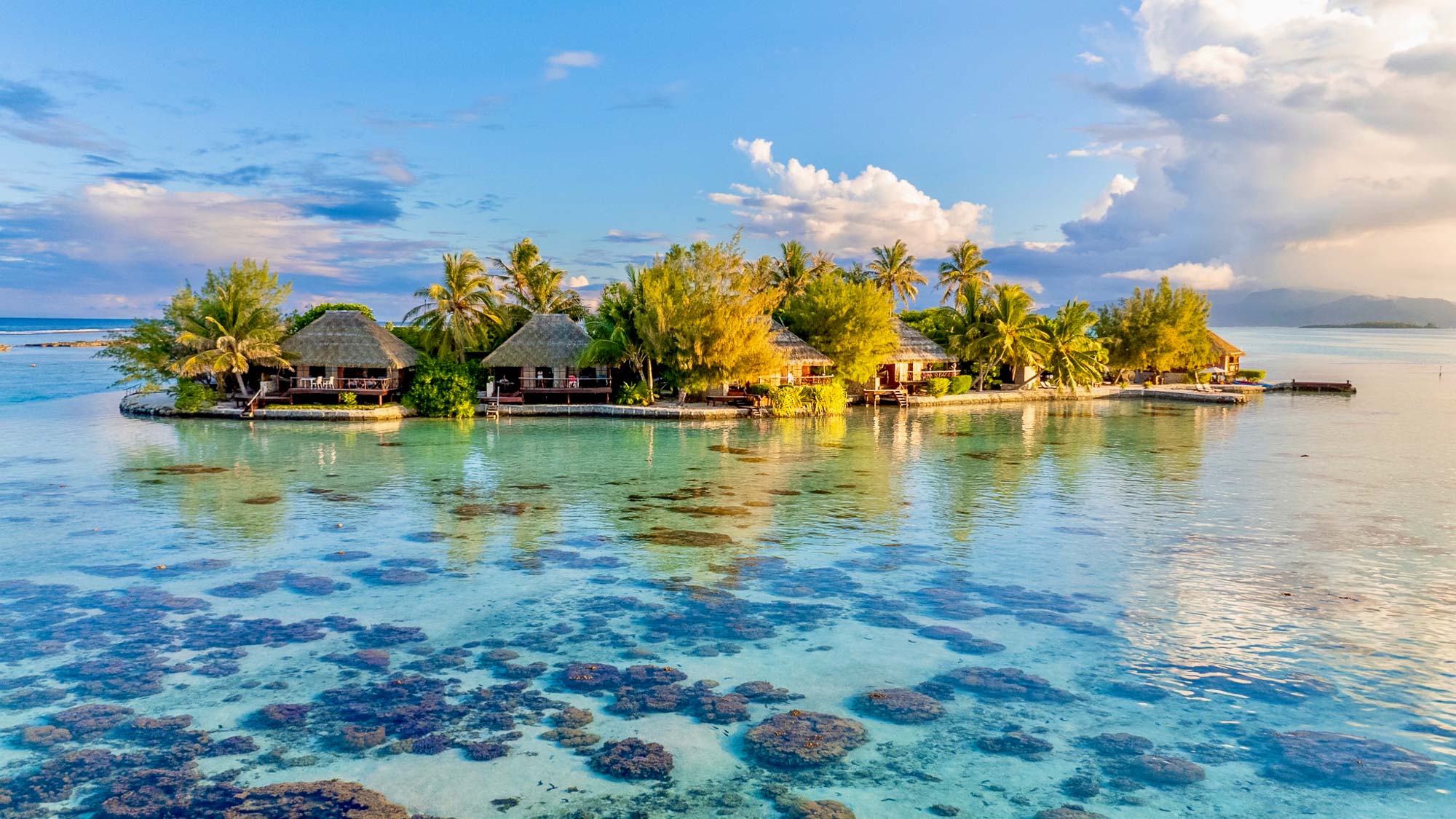
Off the coast of Taha’a, the vanilla island of the Leeward Islands, one motu holds what the world has of the rarest: the total absence of neighbours. No large hotel structure, no corridors, no lobby. Five traditional bungalows with direct, private access to the lagoon. And that’s it.
Eden Taha’a is one of those places that doesn’t need to sell itself to exist.
A confidential address you dream of visiting. One to talk about in hushed tones.
TANZANIA – Fanjove
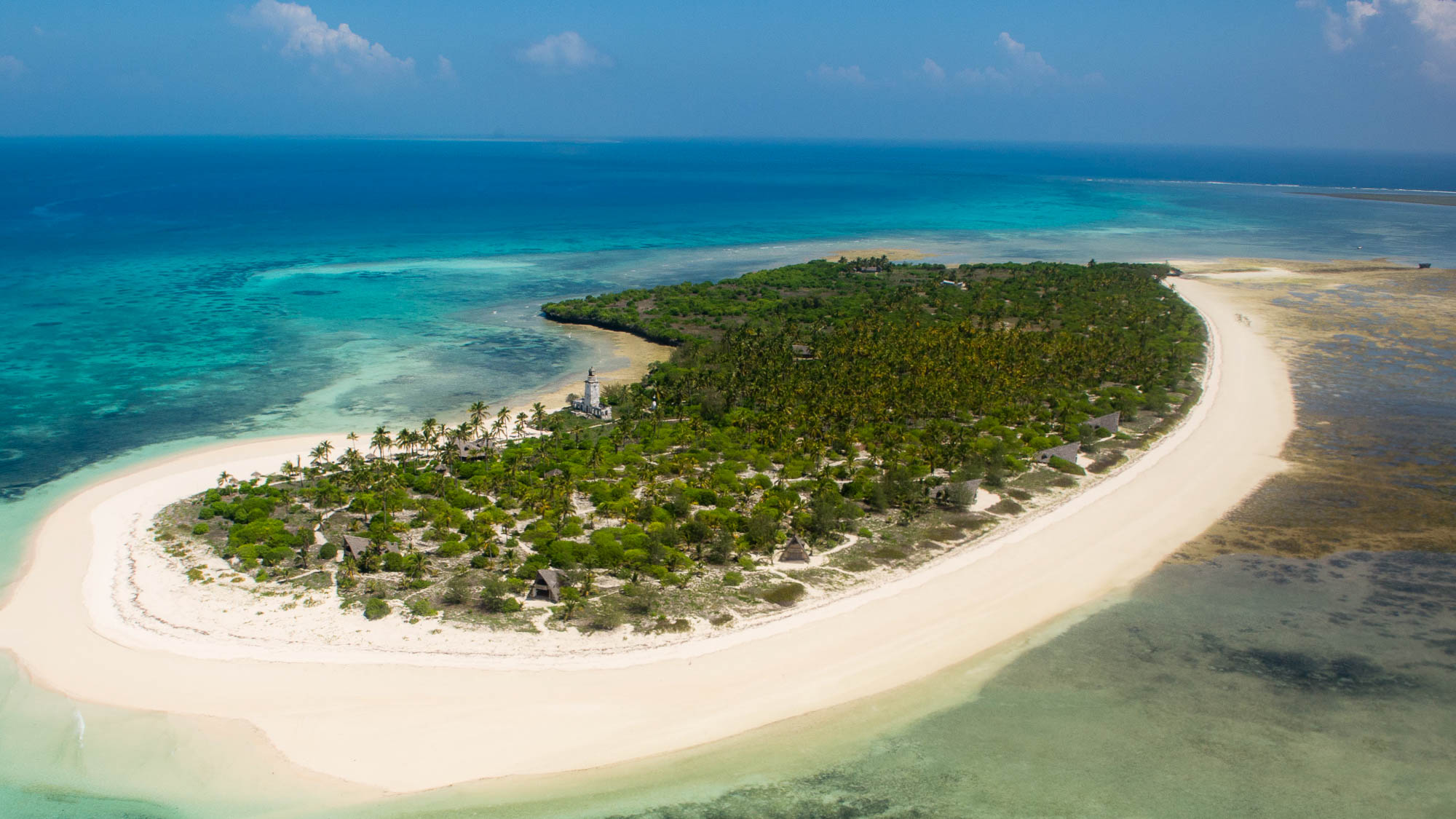
Fanjove belongs to the Songo Songo Archipelago, south of Dar es Salaam. Only five islands, the southernmost of which, Fanjove and Jewe, seem to have been forgotten by the rest of the world. The island is small, deliberately exclusive. Sixteen beach villas, an old lighthouse, white sand, and the ocean.
Nothing else, or almost.
Fanjove doesn’t offer a programme but a distancing. From noise, from pace, from screens, from obligations.
Here, time doesn’t speed up. It simply returns to its natural shape.
AUSTRALIA – Lord Howe
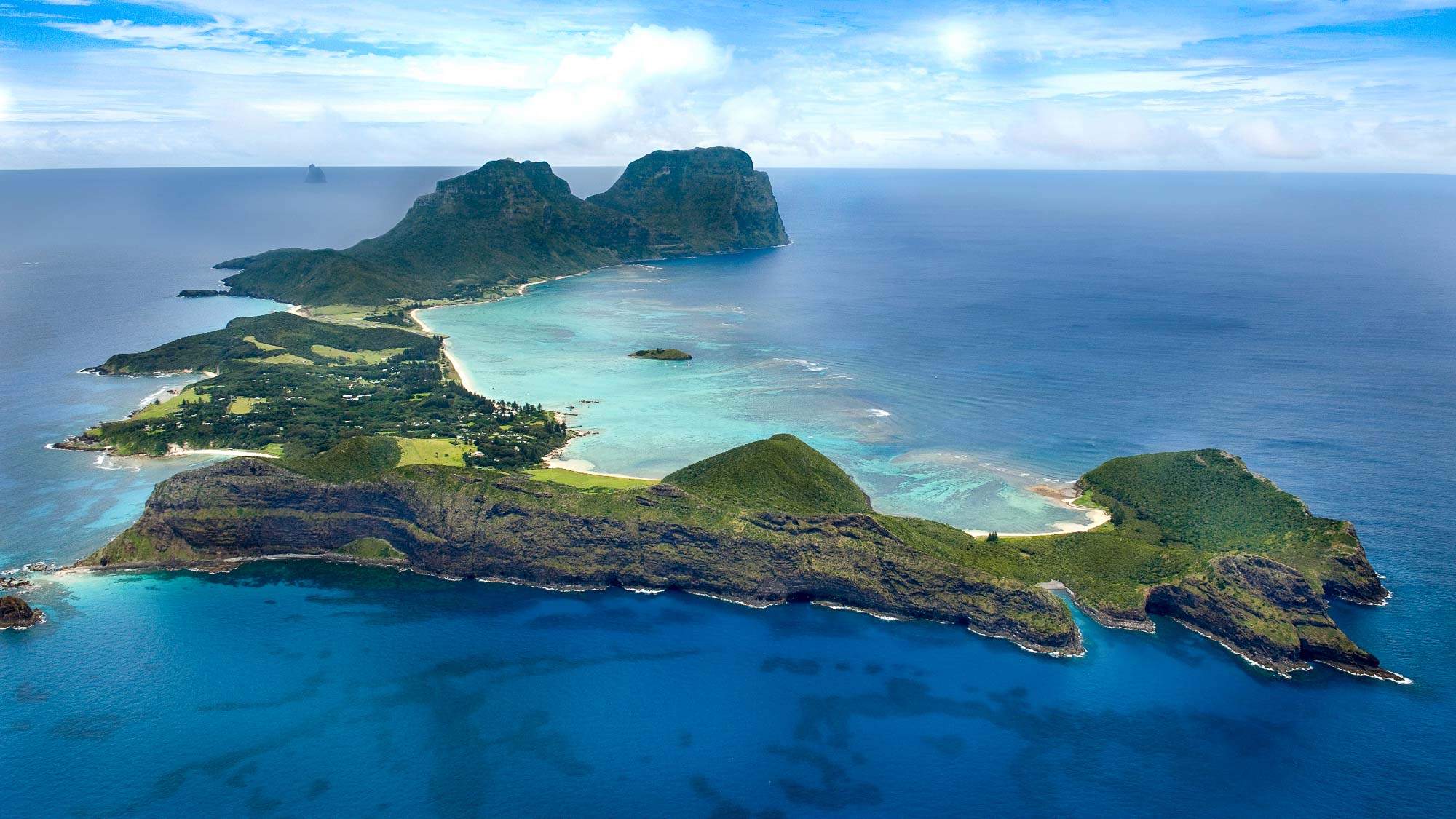
Lord Howe Island is a genuine haven, listed as a UNESCO World Heritage Site since 1982. It has often been called the most beautiful island in the Pacific, with its vertiginous cliffs, majestic mountains, tropical and subtropical forests, beaches, lagoon, and the world’s southernmost coral reef, home to more than five hundred fish species.
On this piece of land sits Capella.
A charming lodge that combines contemporary elegance with a relaxed spirit, set in surroundings of exceptional natural beauty.
INDONESIA – Bawah Reserve
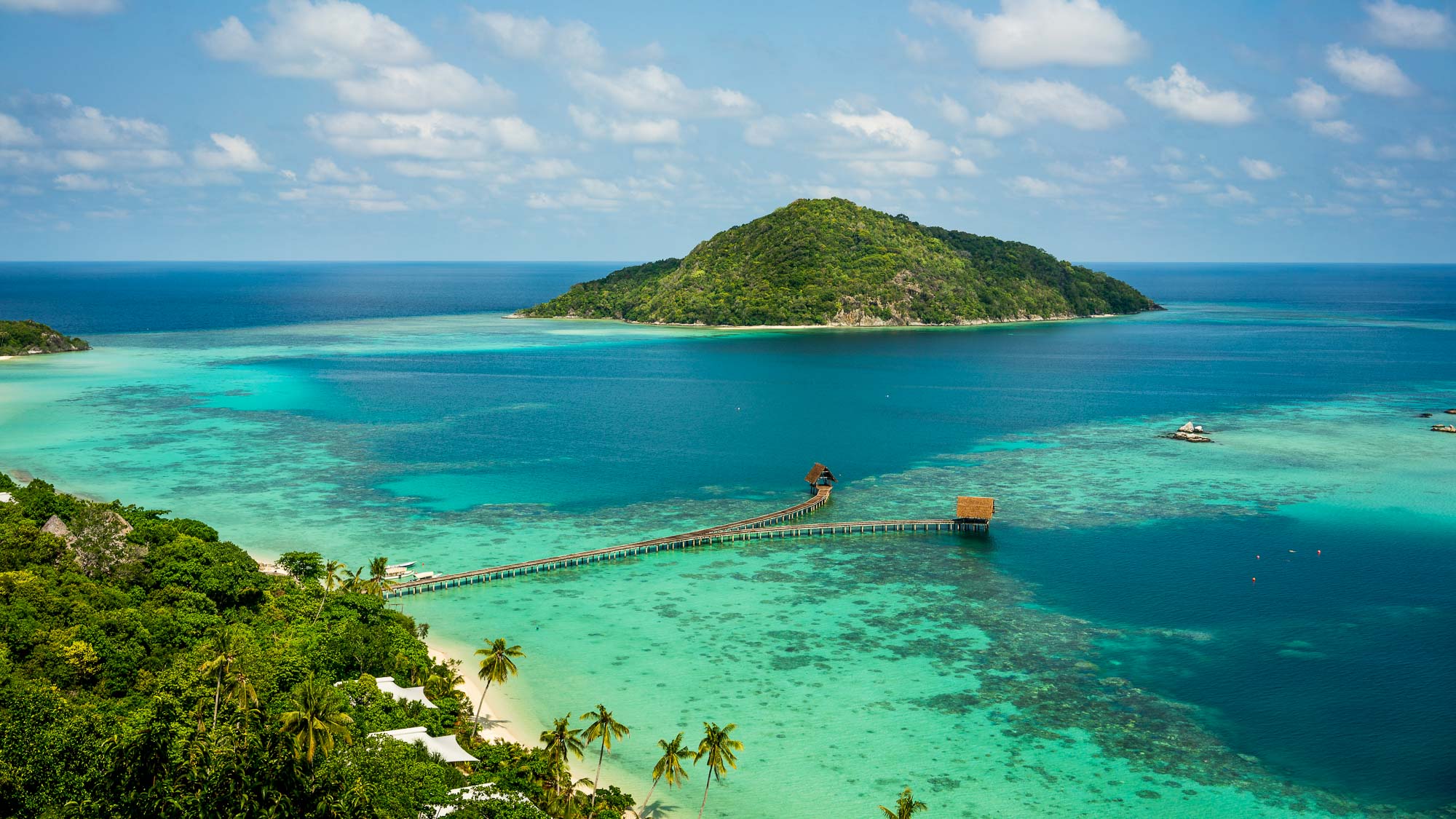
Surrounded by lush tropical vegetation and bathed in an azure-blue ocean, Bawah Reserve lies 160 km northeast of Singapore, in the Anambas Islands, Indonesia.
Surrounded by crystalline turquoise waters, blue lagoons, and coral reefs, this pristine, previously uninhabited reserve suits outdoor adventurers seeking both fine dining and a haven for relaxation.
SEYCHELLES – Cosmoledo
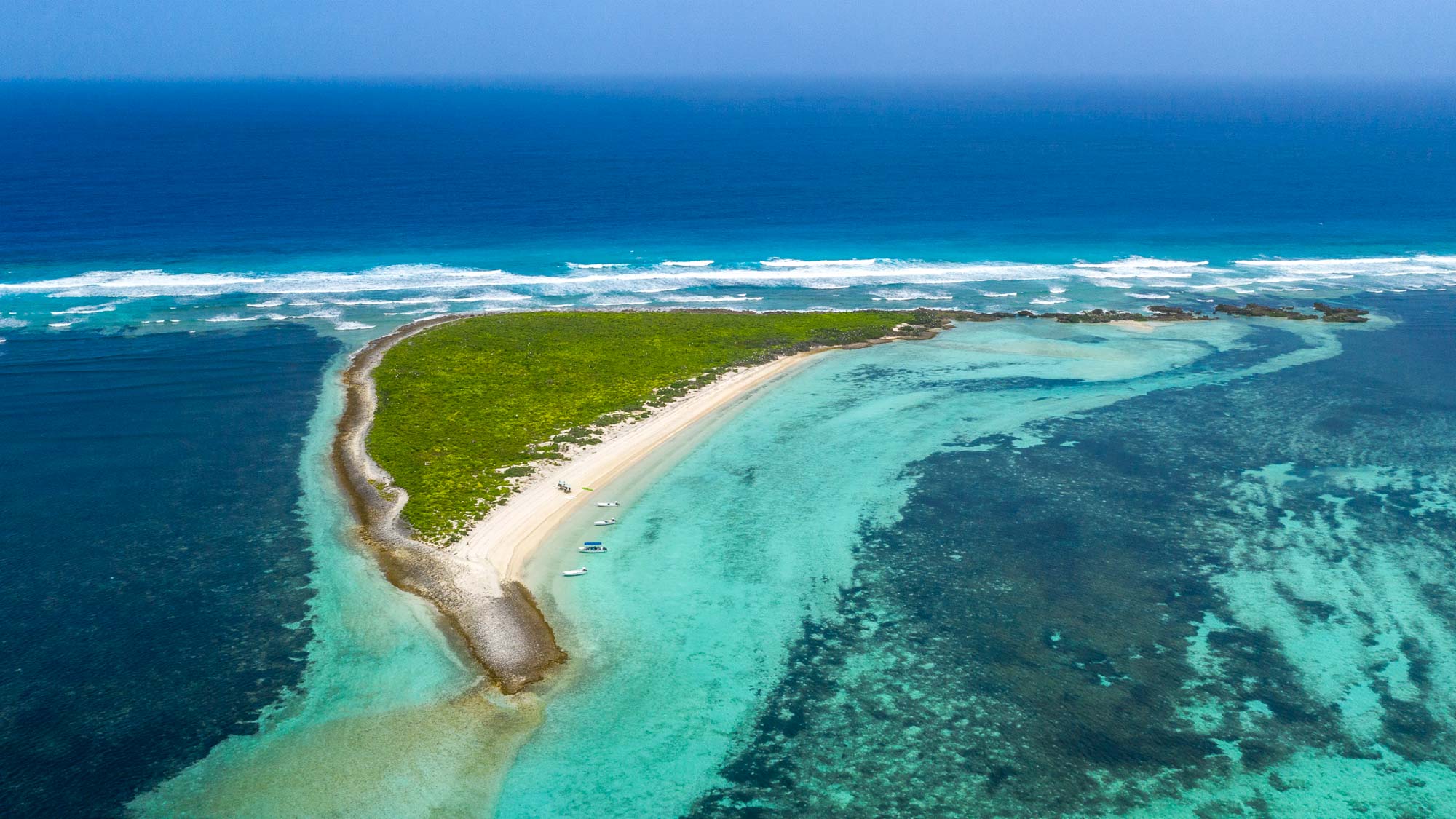
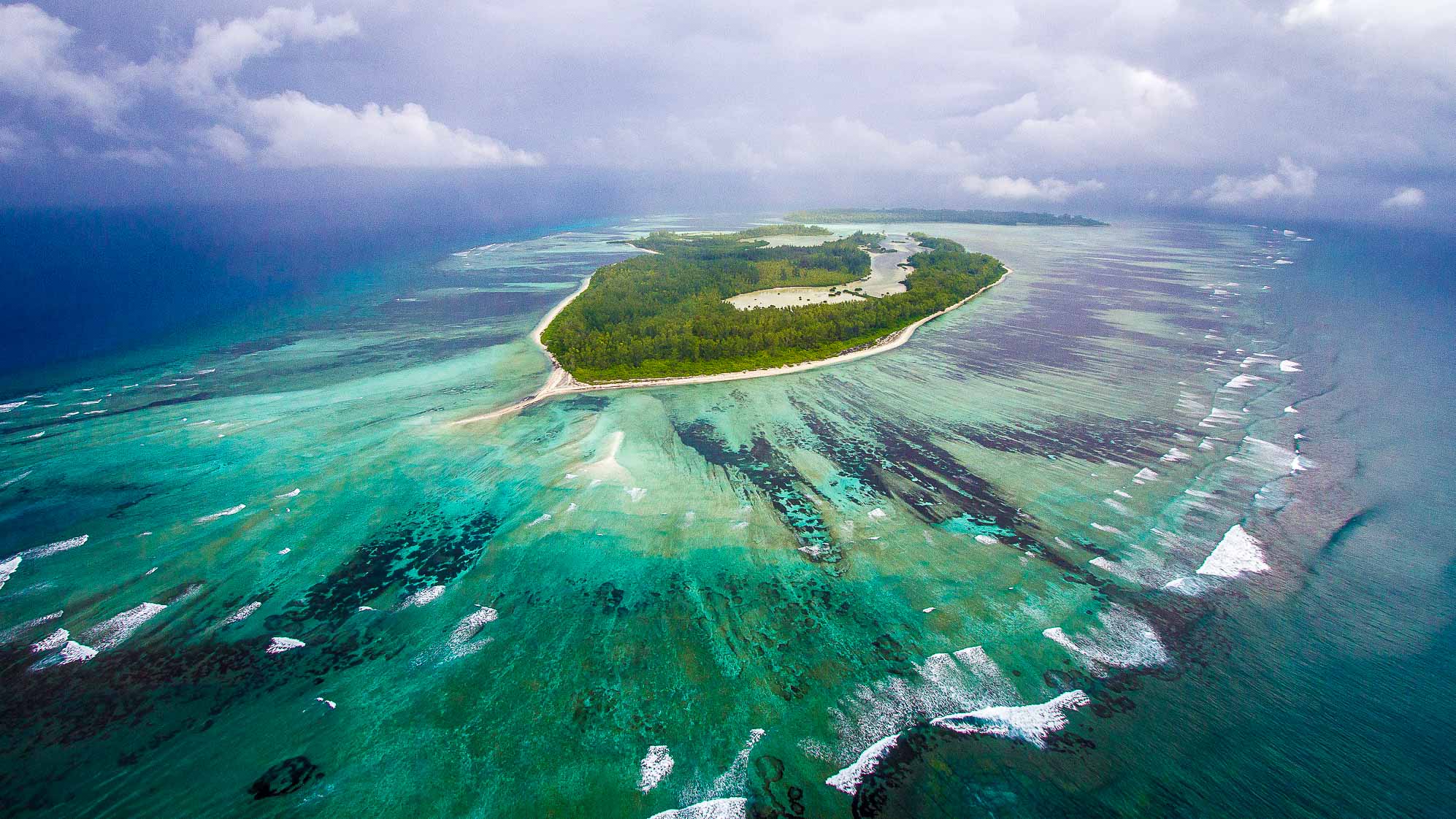
1,000 km southwest of Mahé, Cosmoledo Atoll exists off the beaten track.
No resort, no groomed beach: an eco-camp of eight pods on Wizard Island, surrounded by a lagoon with powerful tides, more than twenty islands and islets, and a biodiversity that has never had to contend with mass tourism.
Note that direct flights between Paris and the Seychelles will be available this summer 2026.
MYANMAR – Wa Ale Island
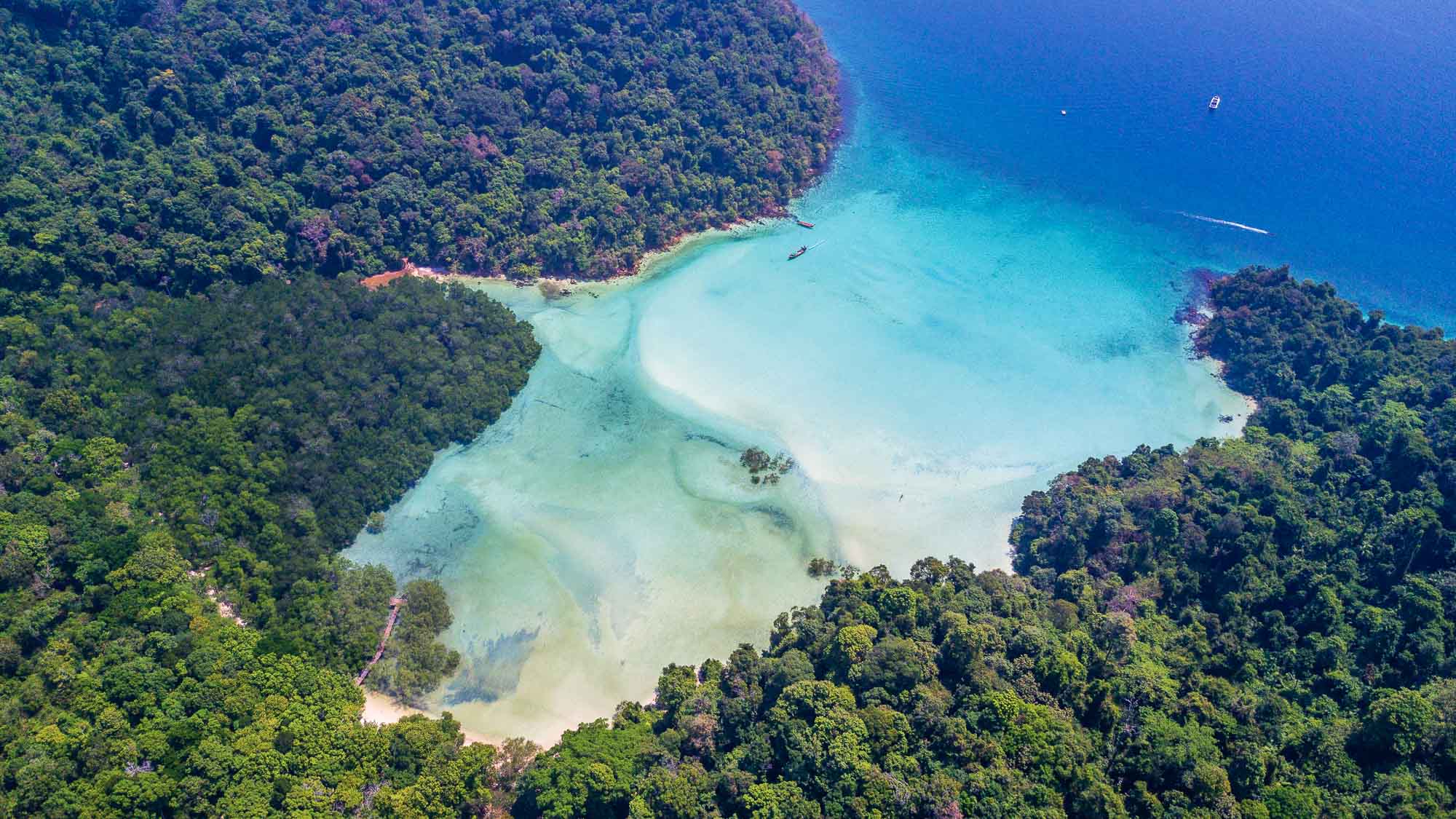
Set at the heart of one of the last intact marine ecosystems in Southeast Asia, Wa Ale is one of the rare destinations in the world that fully deserves to be called inaccessible.
The first luxury eco-resort to open in this still largely unspoiled archipelago, Wa Ale was born in 2018 from the vision of Chris and Farina Kingsley, a couple driven by a deep attachment to Myanmar. Through the Lampi Foundation, the resort dedicates 20% of its net profits and 2% of room revenue each year to conservation projects.
Wa Ale is therefore not just a comfortable interlude.
It’s a destination with something to say about how travel can be practised differently.