Encounters in blue
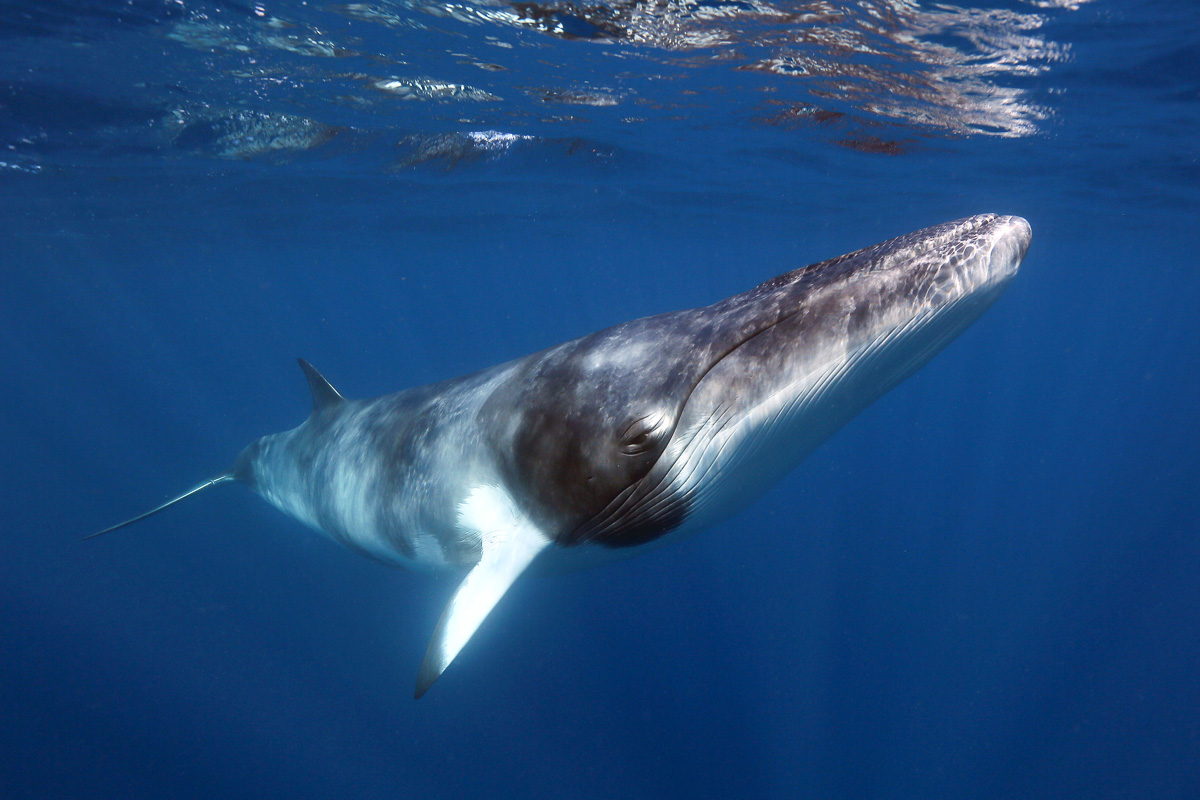
Locking eyes with a humpback whale, gliding above a whale shark, watching the extraordinary ballet of manta ray aggregations, drifting through the blue alongside massive sperm whales… From the Pacific with French Polynesia and Tonga to the Mozambique Channel, off Dominica or Mexico, the migratory routes of the ocean’s most iconic creatures offer unforgettable encounters.
Moments of pure emotion.
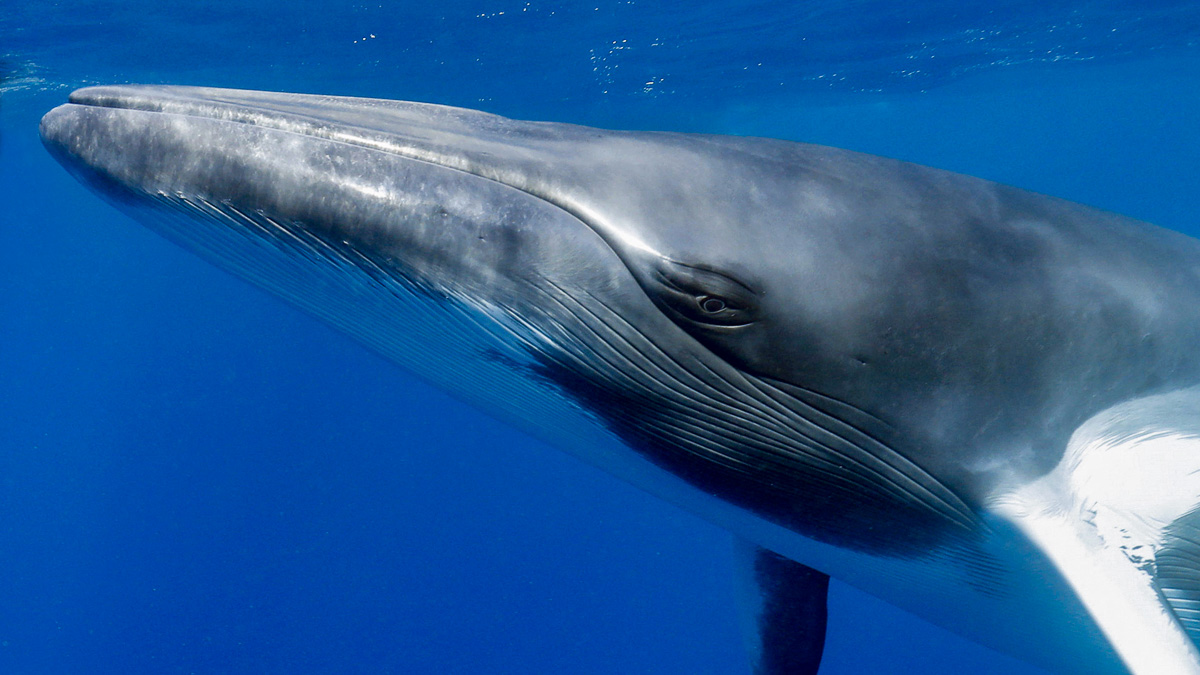
Each winter, humpback whales leave their polar feeding grounds to begin one of the longest migrations known among mammals.
Their goal: reaching warm tropical or subtropical waters, suited for mating and calving. Depending on their hemisphere, northern or southern, humpback whales cover between 10,000 and 25,000 kilometres. Among the routes taken by these deep-diving swimmers, one skirts the Australian coast.
It was there, in 2007, that the fate of Vanessa Mignon, a young accountant from Brittany newly settled in Sydney, took shape. Watching the whales pass from the cliffs, she was seized by the urge to dive in and approach them. A friend told her about Tonga, where this closely regulated experience is possible.
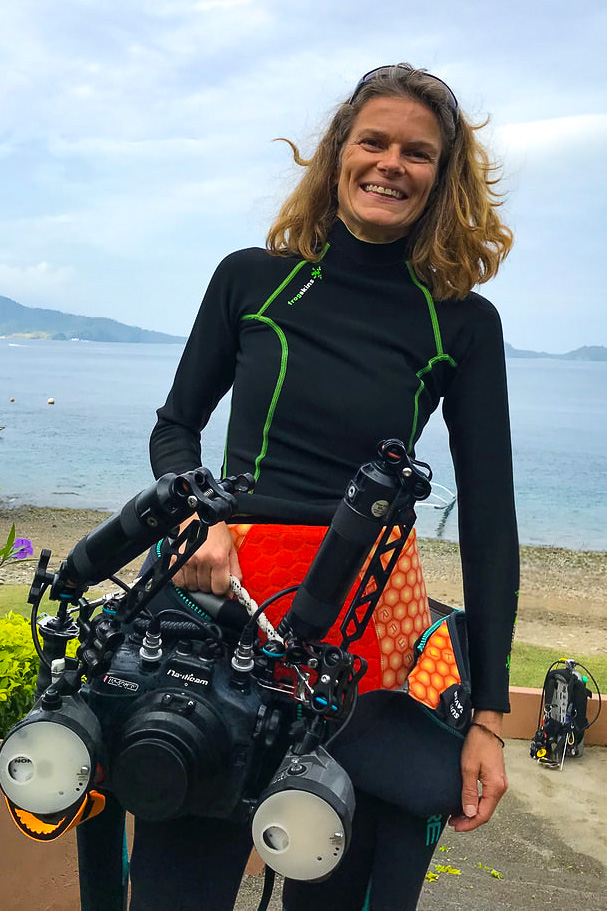
Vanessa Mignon
From that adventure came a passion that never left her… “In this mammal, at once gigantic and incredibly delicate, there is a high level of awareness, an intelligence and sensitivity you can perceive in the way it interacts with its own kind, and with us,” says the renowned diver and photographer, recognised for her commitment to animal conservation and awareness.
“I’ve had the chance to live moments of rare intensity with these animals — marvelling at the gentleness of their touch during a courtship dance, the tenderness of a mother toward her calf, the attention they give us, those exchanged glances where you can sense they know who we are… We hunted them for nearly two centuries, and they remember it. And yet, when approached properly, once trust is established, they accept us without judgment. Swimming with them should never be treated as an attraction — it’s a gift from nature that must be earned, with patience and deep respect.”
The experience begins with locating the animal. A hydrophone can pick up its vocalisations and confirm its presence in the area. Otherwise, you scan the ocean’s surface hoping to spot its blow: a vapour cloud exhaled at 400 km/h, rising up to three metres into the air before vanishing within seconds. A rough sea makes this impossible, as it does spotting the whale’s “footprint” — that smooth, oil-like halo left on the surface where a whale has dived. Locating this distinctive mark helps define a search area and wait for the animal to resurface. Count ten to twenty minutes for adults, four to five for calves. At this stage, reading the animal’s behaviour determines whether those hoping for an encounter can enter the water.
If it feels safe, the humpback will come to the swimmers, and the magic happens
Patience, then. And respect. As the boat approaches the cetaceans, it must slow down, keep a safe distance, never split up a group, and — when several boats are present — never surround an animal. The easiest whales to observe are often mothers with their calves, since they stay close to shore or reefs, in bays or channels, to protect their young from potential predators. If stressed, they’ll retreat to open water and its dangers.
On the swimmers’ side, strict rules also apply: entering the water fifty metres from the animal, never approaching closer than thirty. They must stay grouped, remain calm, and never attempt to chase it. “If it feels safe, the humpback will come to them, and the magic happens,” Vanessa concludes.
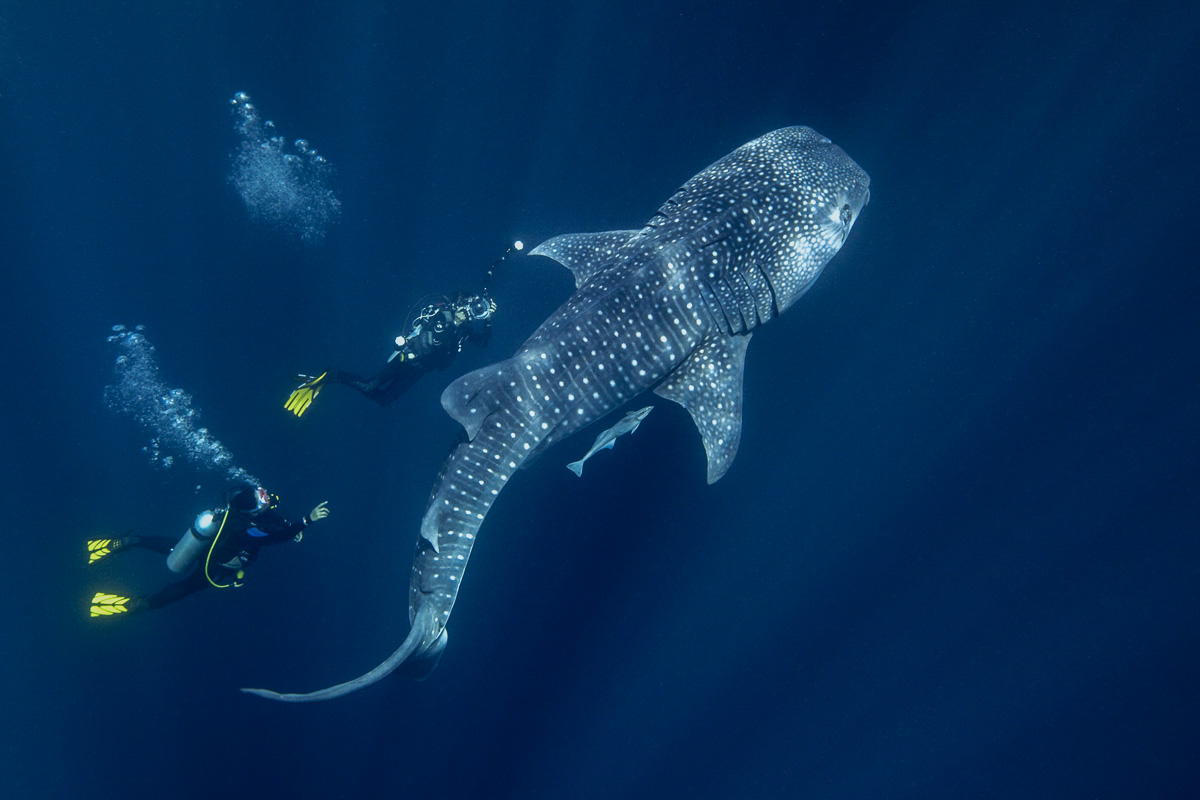
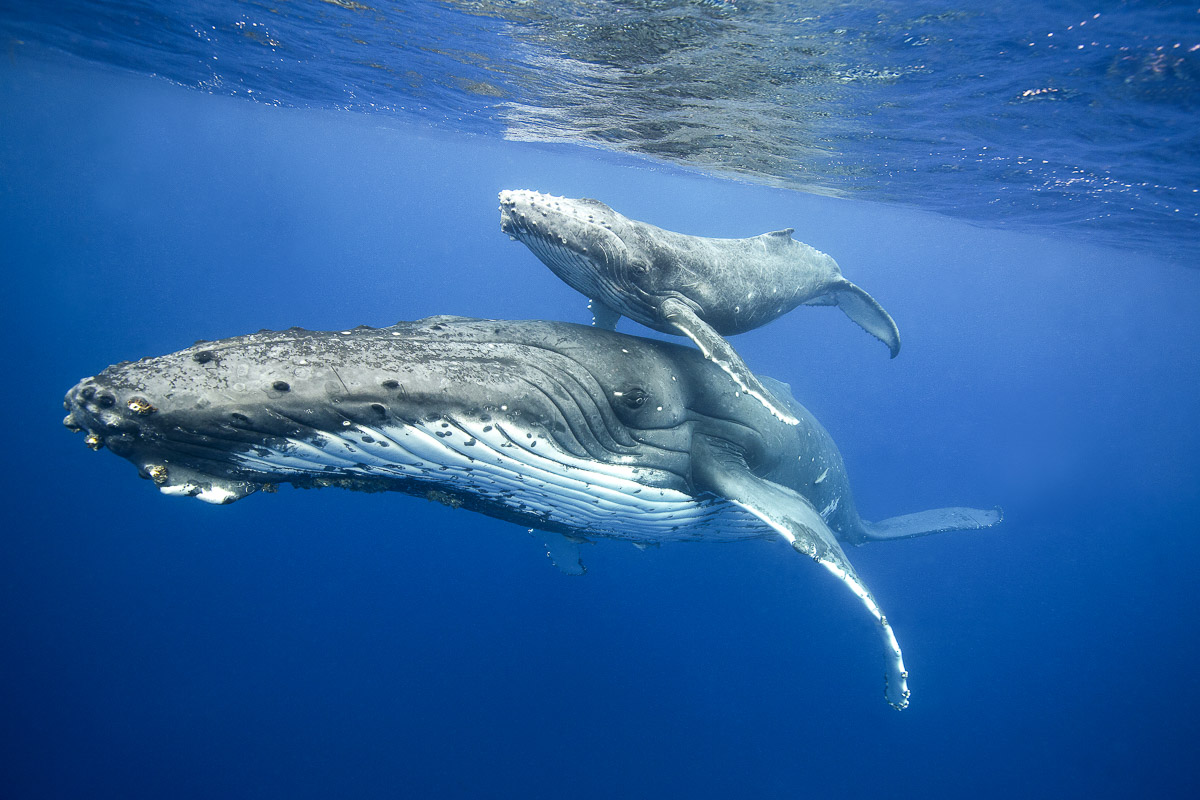
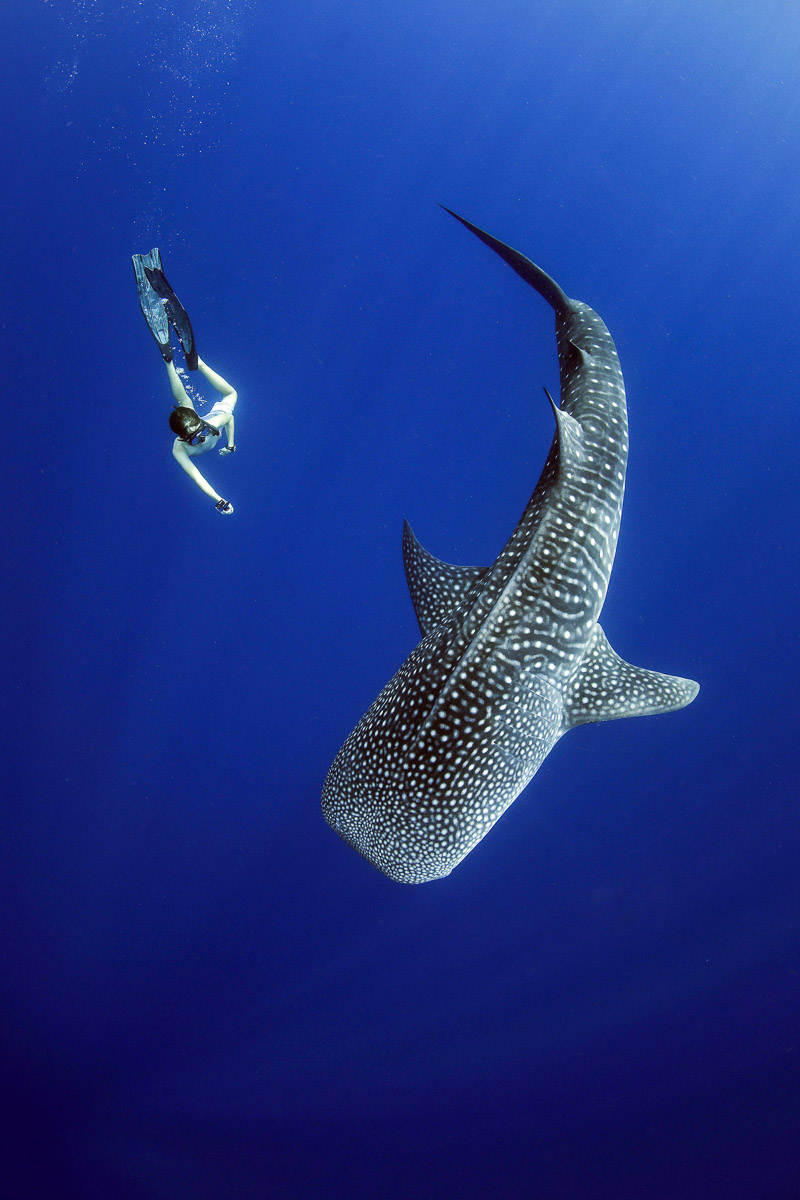
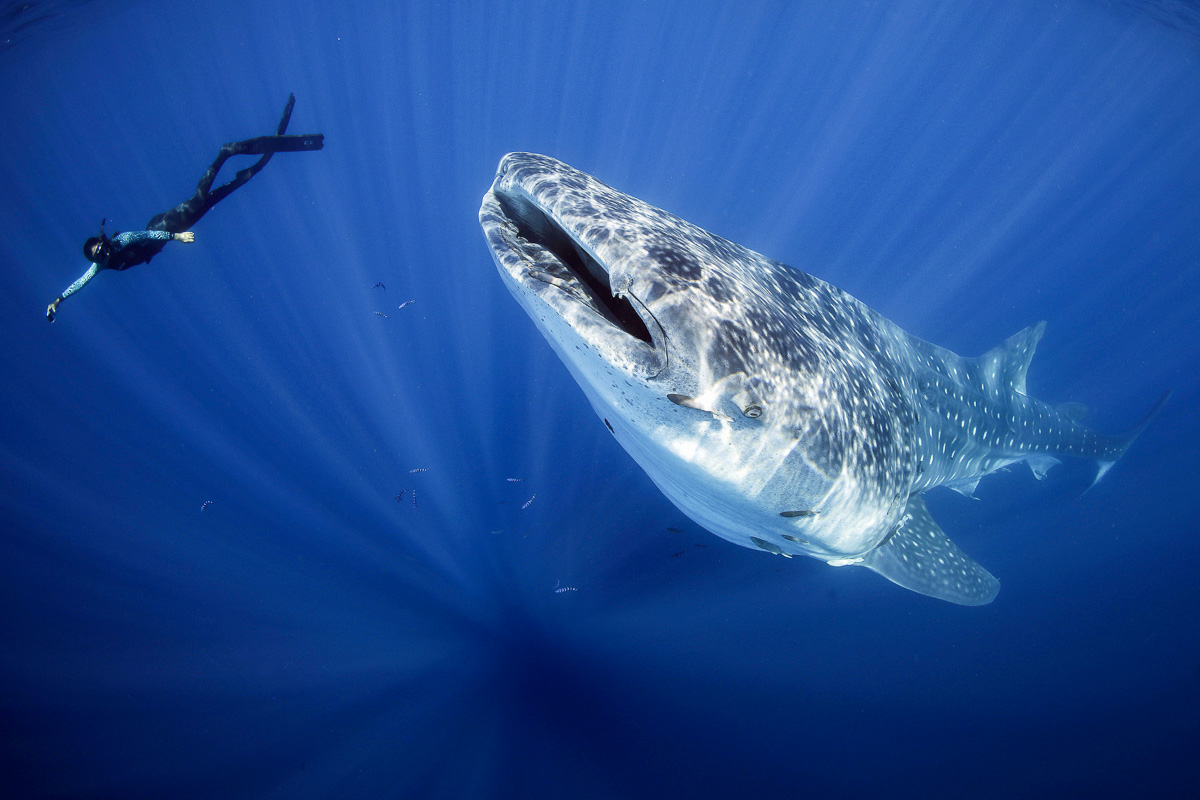
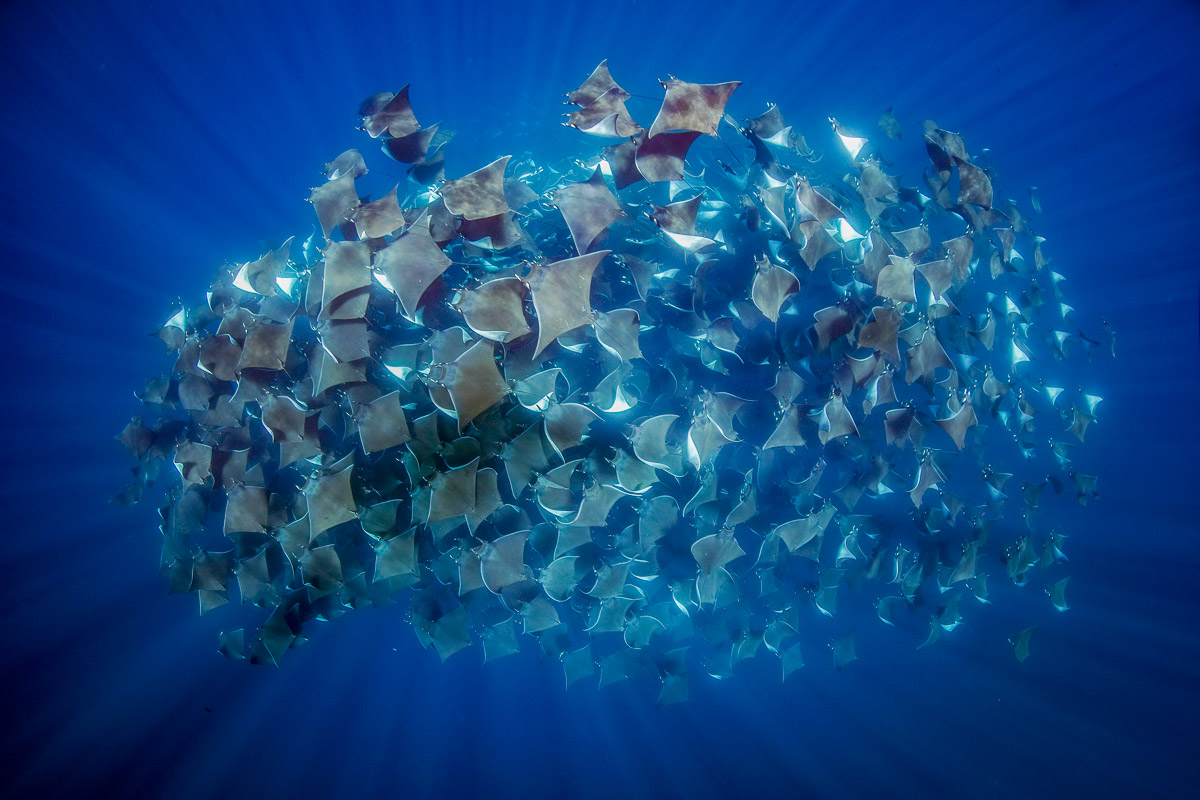
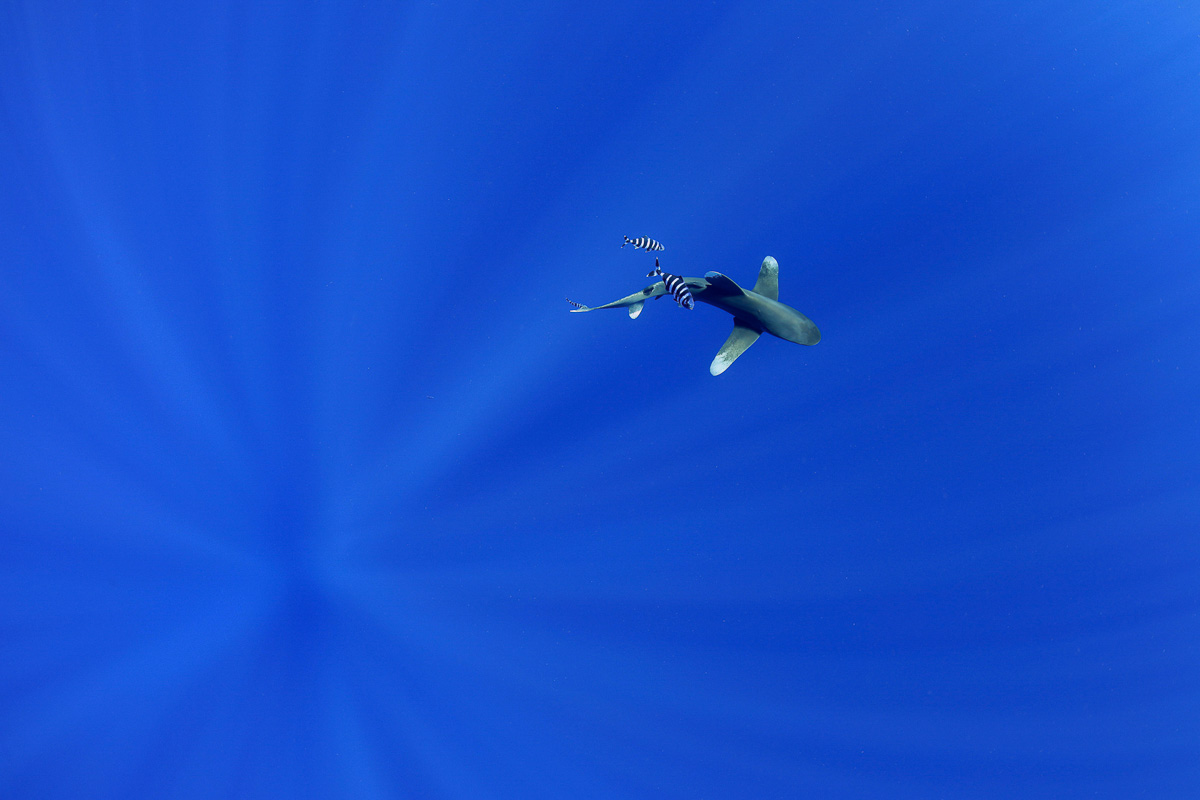
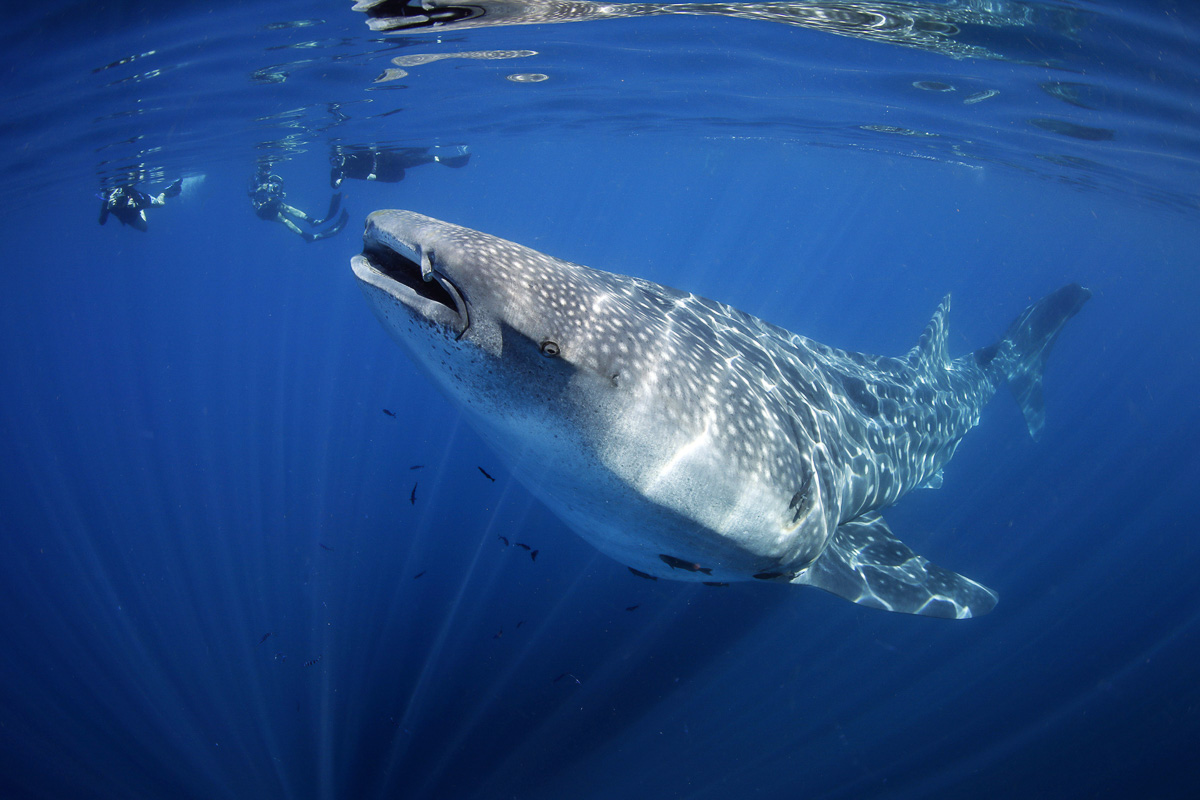
While Tonga, along with French Polynesia, the Dominican Republic and Madagascar, are among the few destinations where swimming with humpback whales is permitted, other iconic species can also be approached: in the Sea of Cortez, Mexico, slipping into the water during impressive gatherings of mobula rays promises striking encounters between mid-May and July; as for the placid and entirely harmless whale shark, several regions — Mafia Island off Tanzania, Diego Suarez and the Nosy Be archipelago in northern Madagascar, Australia’s northwest coast, or Mexico — are worth targeting depending on the seasonal movements of this migratory fish, the largest in the world.
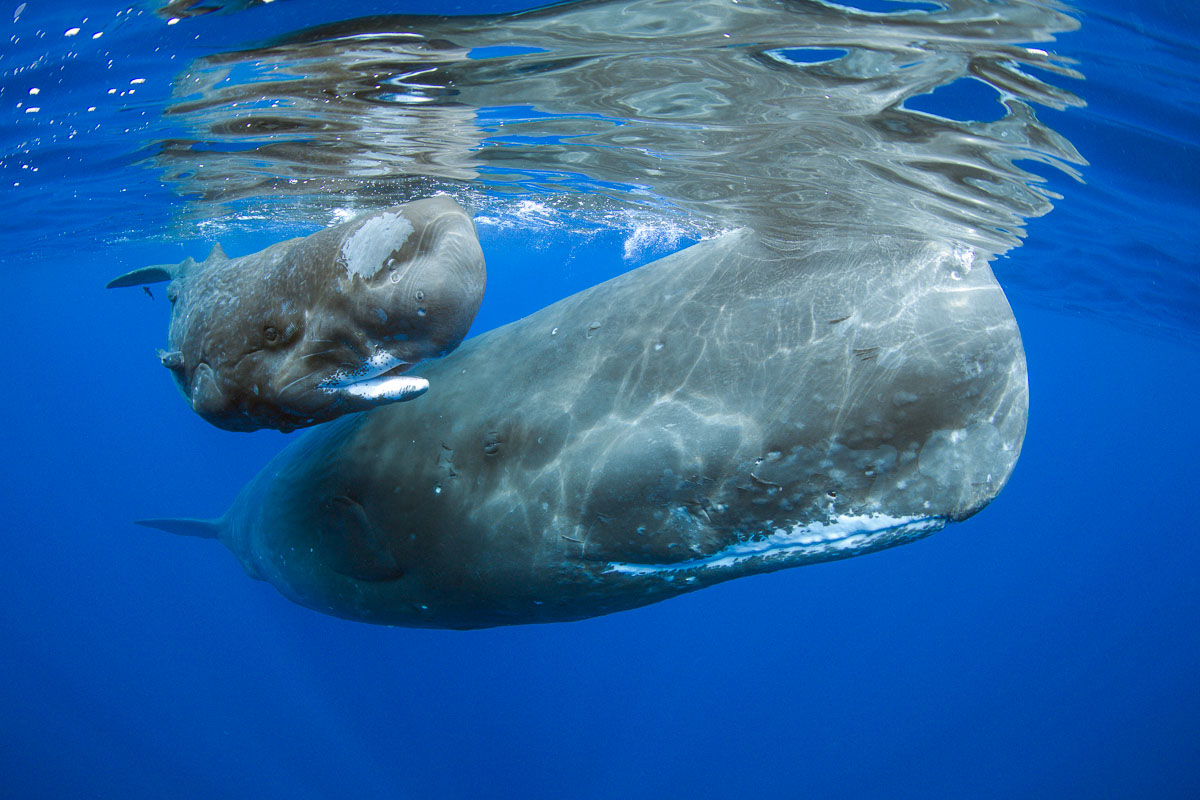
And then there’s the sperm whale, the largest toothed predator on the planet, whose photographs in the “candle” position — upright, straight as the letter “i”, as it rests — have travelled the world, sparking both fascination and, all too often, excessive demand. “Off Mauritius or Sri Lanka, swimming with this carnivorous giant has turned into a circus. Since 2019, Russian operators in Mauritius have been exploiting the opportunity, ignoring the rule that limits in-water encounters to midday, meant to give the animal time for social interactions crucial to the species, all without facing any ban or legal consequence. As a result, other operators feel free to adopt the same bad practices,” Vanessa says firmly.
She recommends the responsible approach practised off Dominica in the Lesser Antilles, home to a resident pod of around two hundred individuals. Drawing inspiration from Rwanda’s model for mountain gorillas — with visitor limits and paid permits — this small Commonwealth nation, wedged between Martinique and Guadeloupe, announced last November the creation of an 800-square-kilometre protected area, the first in the world dedicated to the conservation of this majestic, endangered odontocete.
Excerpt from the book “Au cœur de la Nature – Volume 1”
Photo credits: © Vanessa Mignon. All rights reserved.
More images by Vanessa Mignon are available on her website — click HERE.
Did you know?
The sperm whale, an unexpected ally in the fight against climate change!
Rich in nutrients, sperm whale faeces stimulate the growth of plankton, which absorbs CO2 from the water. This was recently revealed by the non-profit organisation Pristine Seas, which, alongside Dynamic Planet, advised the Dominican government on the creation of the marine protected area dedicated to this giant. According to its founder, Enric Sala, the waste produced by 250 sperm whales could capture 4,200 tonnes of carbon dioxide per year — equivalent to the emissions of 5,000 vehicles.