A small purring monkey, a vegetarian piranha and a frog the size of a thumbnail are among the 441 species discovered over the past four years in the Amazon rainforest by various researchers. This is what the WWF has just announced, having compiled the findings of several scientists.
258 new plant species, 84 fish, 58 amphibians, 22 reptiles, 18 birds and 1 mammal have been discovered in 4 years — an average of two new species per week, not counting countless species of insects and other invertebrates. Most are endemic.
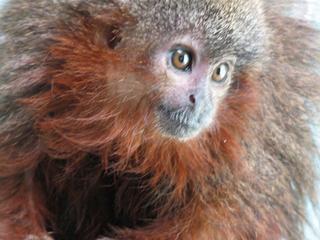
A purring monkey: Callicebus caquetensis - (c) Thomas Defler - WWF
The young of the Caquetá titi monkey (Callicebus caquetensis) have the particular trait of purring when especially content.
A vegetarian piranha, Tometes camunani, which can measure up to 50 cm and weigh 4 kg, is among the discoveries. Mining and hydroelectric activities could threaten its habitat.
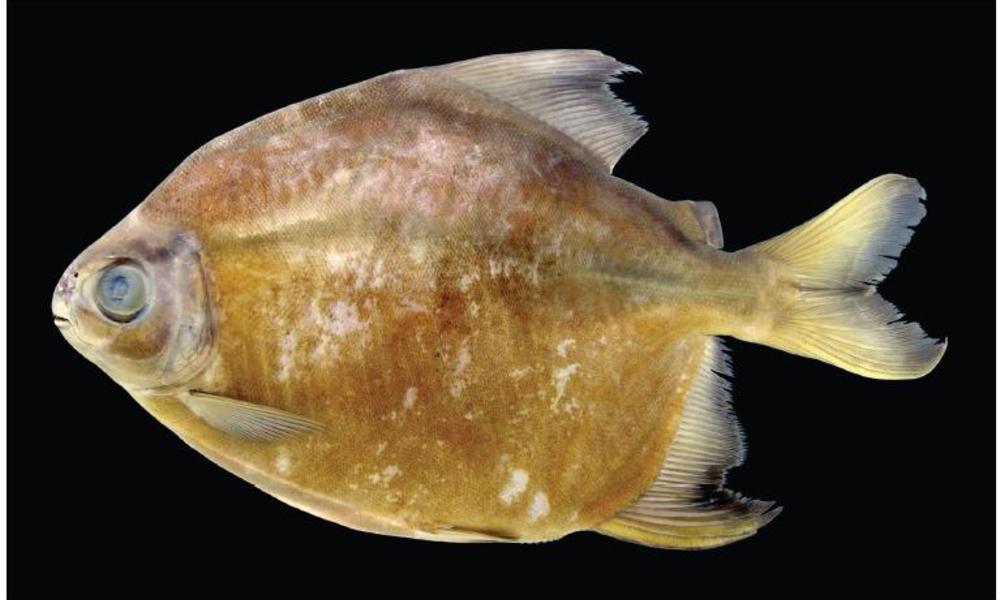
Vegetarian piranha: Tometes camunani - (c) Tommaso Giarrizzo - WWF
The frog Allobates amissibilis, whose name means “that which can be lost,” would fit on a thumbnail. Scientists chose this name to draw attention to the risk of extinction facing this species, barely discovered yet already under threat. Indeed, the region where it is endemic, the Iwokrama Mountains in Guyana, could soon be opened up to tourism.
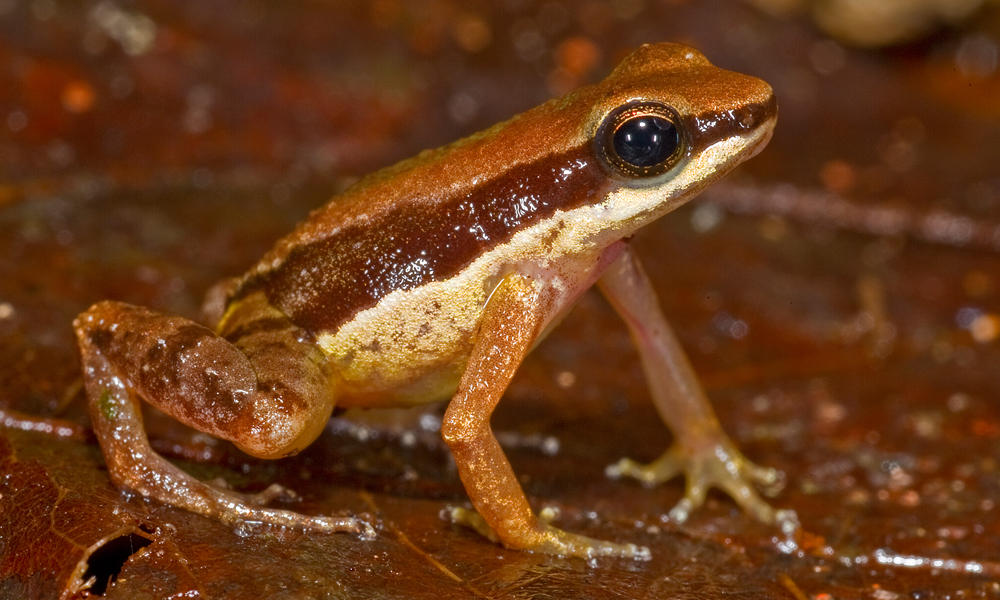
Allobates amissibilis frog, measuring 1.5 cm - (c) Philippe Kok - WWF
“Compiling and updating the data on new species discovered across the greater Amazon basin over the past four years has shown us just how important this region is for humanity, and how essential it is to carry out research there, to understand the region and to preserve it. The destruction of these ecosystems threatens biodiversity and the services it provides to societies and economies. This heritage cannot be allowed to be lost forever,” says Claudio Maretti, leader of the WWF Living Amazon Initiative.
The Amazon remains one of the world’s biodiversity hotspots, home to one in ten known species.
Étendues Sauvages invites you to discover the Amazon by boat, in Brazil.