The equipment needed for a photo safari in Africa depends on your travel conditions, the country visited and the season. Certain basics, however, remain applicable regardless of the setup.
Clothing
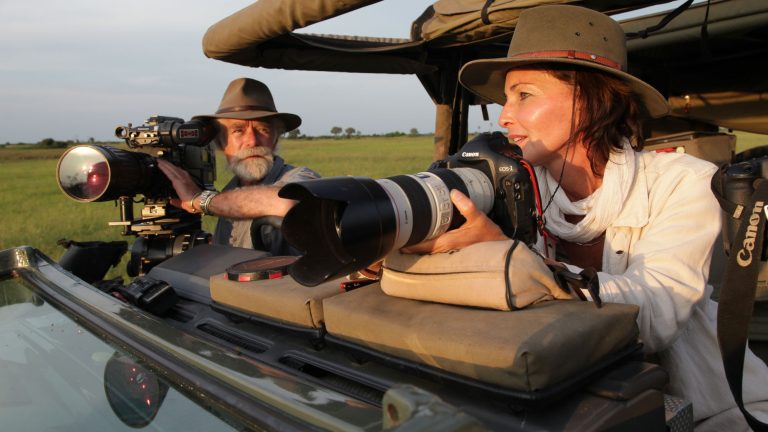
Without going full Daktari straight out of the outfitter’s shop, do choose clothing suited to the environment. Avoid bright colours and favour tones such as beige, sand or khaki. Red may suit you perfectly well, but leave it to the Maasai!
Temperature differences between dawn and midday can be significant. Year-round in East Africa — due to the high altitude — and during the southern winter (particularly in South Africa between May and August), pack a good pullover and a windbreaker for the early hours of the day. Whether your game drive takes place in an open 4×4 or not, you will certainly be exposed to the cool morning air. You may as well be comfortable — it costs nothing extra!
During the day, and particularly in East Africa where you’ll be close to the equator and thus exposed to dangerous sun, you must cover your head with a wide-brimmed hat, which will also protect your neck and ears. A cap is considerably less effective. Along the same lines, remember to drink regularly throughout the day to avoid heatstroke.
T-shirts, short-sleeved shirts or short shorts should also be avoided, especially in the first few days. An hour in full sun could give you a sunburn that would only spoil your holiday. Ease into it gradually and use a high-SPF sunscreen. Also remember to bring a good pair of sunglasses.
If you’d like to buy smart clothing ahead of your trip to Africa, visit the online shop of our partner Great Plains Conservation.
Accessories
It all depends on the type of trip chosen: a stay in a lodge, in a fixed or mobile camp, during the dry season or the rainy season, and so on.
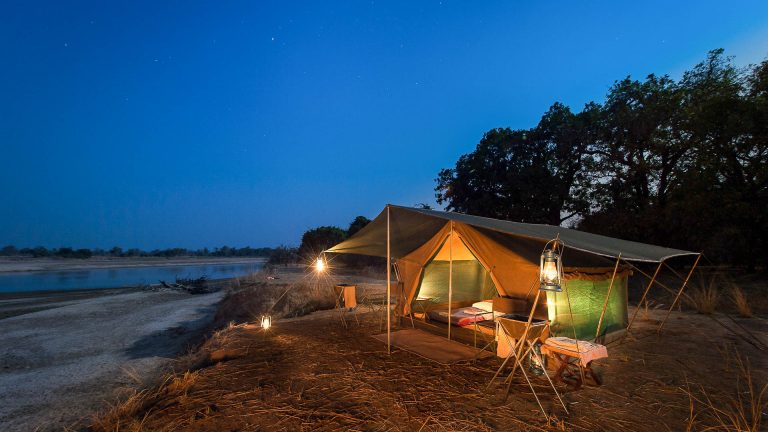
If you are in a fixed or mobile camp
A sleeping bag for cool nights (a 5° rating is generally sufficient for the southern winter and for East Africa).
A head torch. It’s remarkable how useful having both hands free can be!
A torch is also welcome.
Pack spare batteries.
If you are in a lodge
No need for a sleeping bag or head torch.
Just a good book for a few moments of downtime (not that many, if your safari is well organised).
Health
We won’t recite the usual rundown of health and hygiene precautions — every guidebook covers that. Here are simply a few essential rules:
– never drink — or brush your teeth with — unpurified water
– wash your hands regularly (without becoming obsessive about it!)
– drink plenty of water during the day to avoid heatstroke (do bring tablets for headaches, just in case)
– don’t forget to take your antimalarial medication (consult your doctor)
– bring an effective insect repellent
– bring a high-SPF sunscreen
– bring a lip balm
– bring an anti-diarrhoeal such as “Imodium” or “Imossel”, paired with an intestinal anti-infective such as “Ercefuryl” (on prescription from your doctor)
Photography on Safari
Observing wildlife is certainly one of the main purposes of your trip.
Make the most of what nature shows you without becoming fixated on your film or your photos. The finest memories are often the ones kept in our minds. So unless you’re a dedicated photographer (and well equipped for wildlife photography), keep all your senses alert and let these moments of wild life etch themselves into your memory.
Favour “memory” photographs of the wild expanses, of your friends or family (in short, of your holiday), and buy one or several beautiful wildlife photography books at the airport on your way home. The best of them capture the African atmosphere wonderfully.
African safaris are often the setting for extraordinary encounters with wildlife. Make the most of every single moment!
And have a good trip…