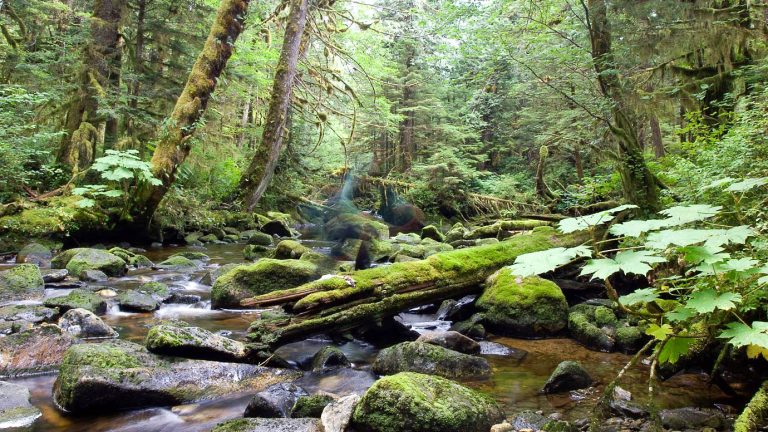
Photography in tropical rainforest is very difficult. That doesn’t mean you should be discouraged. Quite the opposite — you need to stack the odds in your favour to come back with the images you were hoping for.
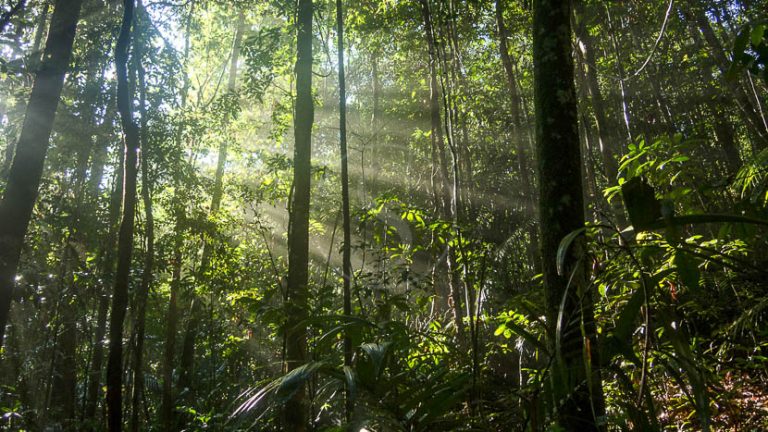
The main obstacles are: the lack of light, which often borders on total darkness, the humidity that puts your equipment through its paces, and above all the sheer scale of the surrounding vegetation, which places macaws, toucans and other birds at heights that are simply unworkable!
It’s therefore essential to be well organised, both in terms of equipment and the planning of excursions.
A naturalist guide is indispensable here, to hear and spot animals you wouldn’t see on your own, even a few steps away. Only their knowledge of the terrain and their trained eyes will let you make the most of what’s around you and, perhaps, take a few shots.
In tropical rainforest, never forget that “if we see 10% of what’s watching us, we’ll have seen a great deal.”
It’s also important to try to gain height relative to the vegetation, to avoid too steep a low-angle shot.
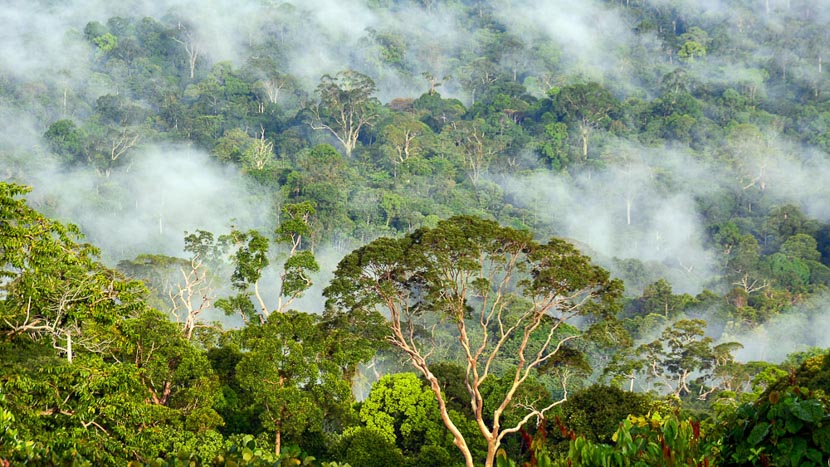
Most species (especially the “large” birds) live in the light, that is, at canopy level. A macaw flying over the canopy at 40 metres is nothing more than a tiny speck on film or on screen, even with a 500mm lens. Use a platform, the lie of the land, and so on — but avoid climbing trees: they’re high, slippery, and often home to tenants quite willing to deliver a venomous bite…
Another photographic world is open to you — more accessible, both physically and financially: macrophotography.
The subject matter is inexhaustible!
If macro interests you, invest in a suitable lens (not necessarily an expensive one) and a flash setup.
One last piece of advice: maintain your equipment daily. Humidity is everywhere, and it’s essential to dry out your camera bodies and lenses regularly. Put them in the sun for a few minutes whenever you can. The same precaution applies to memory cards, which should be well protected.
Beyond the photography, make sure to take the time to appreciate the pristine, untouched nature around you.
Places like these are becoming rare, and it’s important to savour them at their true worth.
Photographic equipment:
Here is a short list of the essential equipment for photography in tropical rainforest:
– Digital SLR body allowing high sensitivity (ISO) without loss of image quality
– Fast lens, 300mm minimum (500 or 600mm being ideal) + 1.4x teleconverter
– 17-35mm lens for wide shots
– For macrophotography: 50mm or 100mm macro lens + flash setup.
Accessories:
– Almost essential: tripod with ball head
– Waterproof bag or case to protect photographic equipment from humidity (with anti-humidity crystals)
– Dry cloth to wipe down your equipment
– Flash with sync cord — to be used sparingly
– Waterproof bag to set your equipment down on the ground
– Binoculars (bright optics)
– Insect repellent (“tropical” strength!)
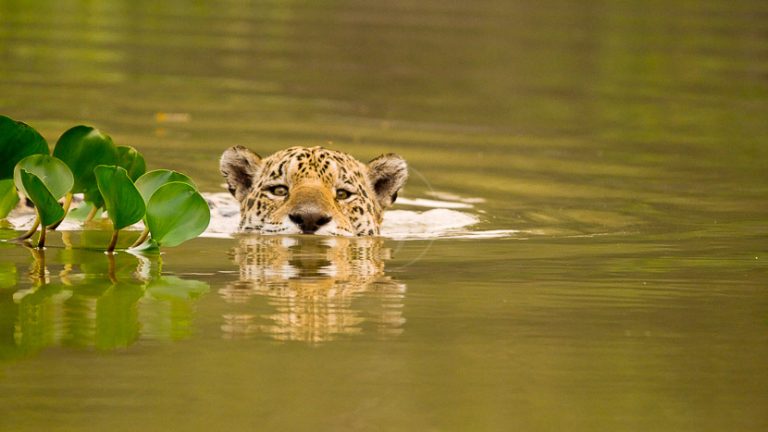
I’ve selected a few photos that may inspire you and make you want to set off to discover tropical wetland environments. Here are a few images straight from one of the most fascinating and exciting regions in the world, the Pantanal, in Brazil… follow the trail, and for experienced photographers, get your digital bodies ready — Étendues Sauvages takes care of organising the logistics!
I’d also invite the most curious among you to take the time to read our article on exploring the tropical rainforest.
See you soon, then, somewhere deep in a forest…