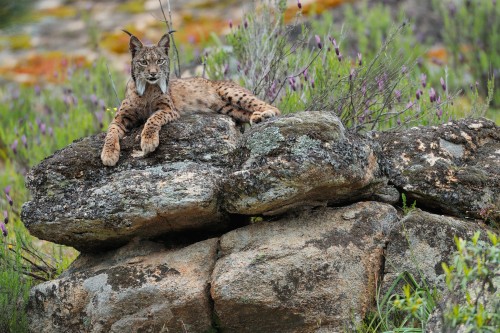
The European bison, grey wolf, Iberian lynx, brown bear and grey seal are among the 18 mammal species whose populations have increased over the past fifty years in Europe. Populations of 19 bird species, including the white-tailed eagle, have also grown. This is what the “Wildlife comeback in Europe” report published on 26 September by Rewilding Europe shows, presenting the results of a study conducted by researchers from the Zoological Society of London, BirdLife International and the European Bird Census Council, which analysed changes in the distribution and abundance of a selection of species between 1960 and 2005.
This trend is not only good news — its analysis also makes it possible to identify the conditions that made this improvement possible, so they can be applied to other conservation challenges. The main factors identified are species protection, targeted conservation actions such as population management techniques aimed at boosting existing populations or creating new ones through reintroductions, habitat management and site protection. Reduced hunting pressure and the ban on certain toxic agricultural chemicals are two other important factors.
It is true that this increase in the distribution and abundance of these species must be seen against a very precarious starting point. For many of them, populations were at their lowest in the 1950s and 1960s, the starting point of this study, and their growth since then does not mean they have returned to historical levels. Some have in fact not yet reached the level needed to ensure the long-term viability of their populations.
Moreover, overall biodiversity levels in Europe and worldwide continue to decline, and the targets set to reduce this loss are not being met.
However, this study shows that with sufficient resources and appropriate efforts, it is possible to help species recover, even when they are on the brink of extinction. While only 54 bison remained in captivity from the 1930s onward, by 2011 the wild population had grown to 2,759 individuals spread across 33 distinct, isolated herds.

European bison – Białowieża Forest – Poland
The key to the long-term success of this wildlife comeback will be the ability to manage potential conflicts between humans and animal species. This growth in wild populations is also a source of economic and social opportunities, both locally — through the rural development potential offered by wildlife-related tourism — and nationally, through the restoration of natural ecosystem processes.

The good news is that, as Frans Schepers, managing director of Rewilding Europe, puts it: “Wildlife can make a strong comeback if given the chance.”