



Amazon Rainforest, Brazil © Shutterstock
Brazil
A string of superlatives
Tailor-made trip to Brazil
Read more Collapse


We design your tailor-made journey

Why travel to Brazil
- SPECTACULAR NATURAL SITES
- THE AMAZON, TRAVELLED BY WATER
- THE BRAZILIAN JOY OF LIFE
- THE EXTRAORDINARY PANTANAL
- THE BEACH CULTURE
Our favourite


Parc national des Lençóis Maranhenses
By Catherine, Brazil specialist at Étendues Sauvages: “The Lençóis Maranhenses are without doubt one of Brazil's most spectacular natural sites, and for good reason. A national park was established in 1981 to protect this unique site, which brings together several biotopes ranging from marine environments to forest, by way of mangrove, rivers, and of course a vast expanse of dunes and freshwater lagoons. The ideal time to go is July, August and September, when the lagoons are full of water. They reveal a broad palette of colours — the spectacle is striking.”
Discover this favouriteConsult us to design your tailor-made journey


When to travel to Brazil
Budget to plan for
Expert advice
Our pet peeve
Your questions / Our answers
Would you recommend a trip to Brazil with children?
Yes, of course. Brazil is ideal for combining discovery and beach time. Define what you’re after (cities, historical heritage, nature…). Along the Atlantic coast, the beach is never far away in Brazil. Here, it’s an institution, a way of life. Add to that the warmth of Brazilians, the music, the cuisine, and all the elements are in place for a family trip you’ll remember.
Looking for nature, what do you recommend?
It all depends on when you plan to travel, though some sites can be explored year-round. For a trip between April and October, the Pantanal, the Amazon and the Lençóis Maranhenses are the clear choices.
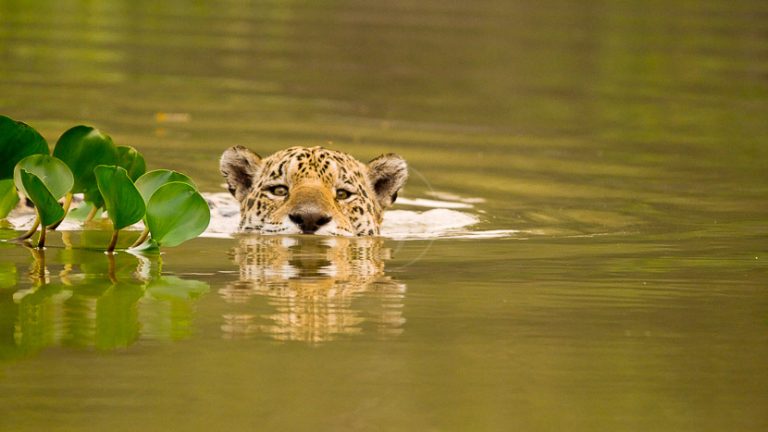
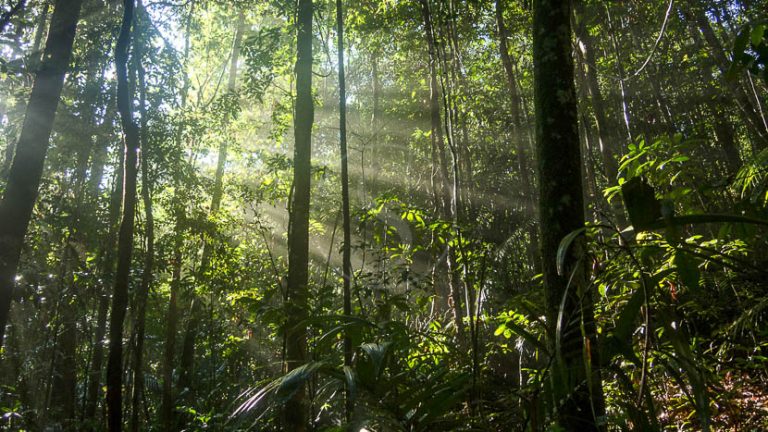
The Amazon, with biodiversity unmatched anywhere else on earth, is one of Brazil’s most storied regions. The Pantanal, for its part, is a vast wetland. It too can be visited year-round, but the dry season between May and September/October is best for wildlife viewing, particularly jaguars.
The Lençóis Maranhenses offer a landscape like no other, breathtaking in scale: white sand dunes interspersed with colored lagoons.
For the rest of the year, there is the Costa Verde, including the Saco de Managua, a true pocket of untouched nature and a spectacular tropical fjord. All of these regions can be combined with the spectacular Iguazu Falls, one of the most captivating displays of wildlife and nature on earth.
Looking for a cultural side of Brazil, what do you recommend?
Without question, Minas Gerais. Most colonial towns in this region emerged from the gold rush of the early 18th century, in 1702. The region is marked by the baroque architecture of towns listed as Unesco World Heritage Sites. Since the early 20th century, the colonial architecture and quiet pace of these villages have made it a favourite destination for Brazilian intellectuals and artists.