On the plains of the Serengeti, nature inexorably follows its course. In an extreme environment, often hostile to newborns, female cheetahs and leopards must fight constantly to feed and protect their offspring and ensure the survival of their species. The courage and determination of these females, watching over their young alone, command admiration…

Follow the fate of a family of cheetahs and leopards in this remarkable BBC documentary.
Animal Chronicles in the Serengeti, PART 1/5:
East Africa. February. Heat is at its peak in the savannah of northern Tanzania. Two families of felines fight for survival across the vast plains of the Serengeti. For the cheetah and leopard cubs, it is still a time of innocence, play, and affection. For the mothers, however, attention is at its highest: hunting, feeding, and hiding their young from other predators…
[media id=14 width=560 height=315]
Animal Chronicles in the Serengeti, PART 2/5:
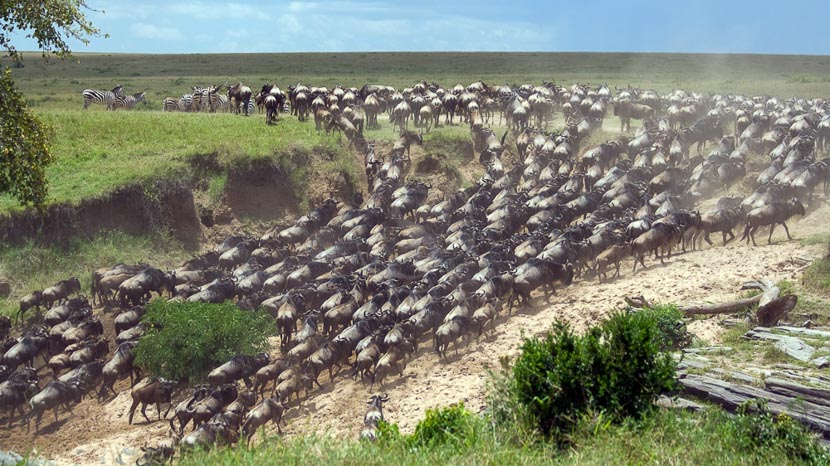
As herds of wildebeest, followed by tens of thousands of zebras, sweep across the green pastures of the Serengeti, the cheetah and leopard cubs continue to grow and learn the ways of survival. But the mass arrival of these ungulates (between 1 and 2 million wildebeest during the migration!) also signals the arrival of other large felines: lions… a source of constant danger for our young protagonists. Will they manage to stay together?
[media id=15 width=560 height=315]
Did you know?
The cheetah is a feline built for speed: considered the fastest land animal on the planet, it can reach top speeds of 110 km/h.
Females typically give birth to between three and five cubs. Young cheetahs have a mane-like coat of fur running along their backs, believed to provide better camouflage in the grasses of the savannah. During the first weeks after birth, the mother moves her cubs almost daily to keep them safe from numerous predators. Despite these precautions, up to 70% of cubs may not survive. Cubs generally stay with their mother for 13 to 20 months, a period during which she teaches them to hunt.
Today, the cheetah is seriously threatened with extinction. Classified as a “vulnerable” species on the IUCN (International Union for Conservation of Nature) Red List, it is listed under Appendix I of the Convention on International Trade in Endangered Species of Wild Fauna and Flora (CITES), which completely prohibits trade in the species.
For those curious about nature!
Come observe cheetahs and leopards in Tanzania: click here to see examples of tailor-made journeys with Étendues Sauvages.
See you soon for the rest of our animal chronicles, and long live the felines! 🙂