There’s a tiger in you.
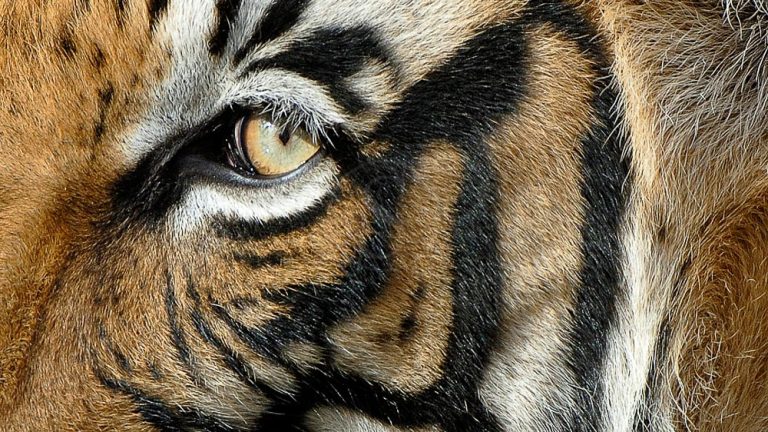
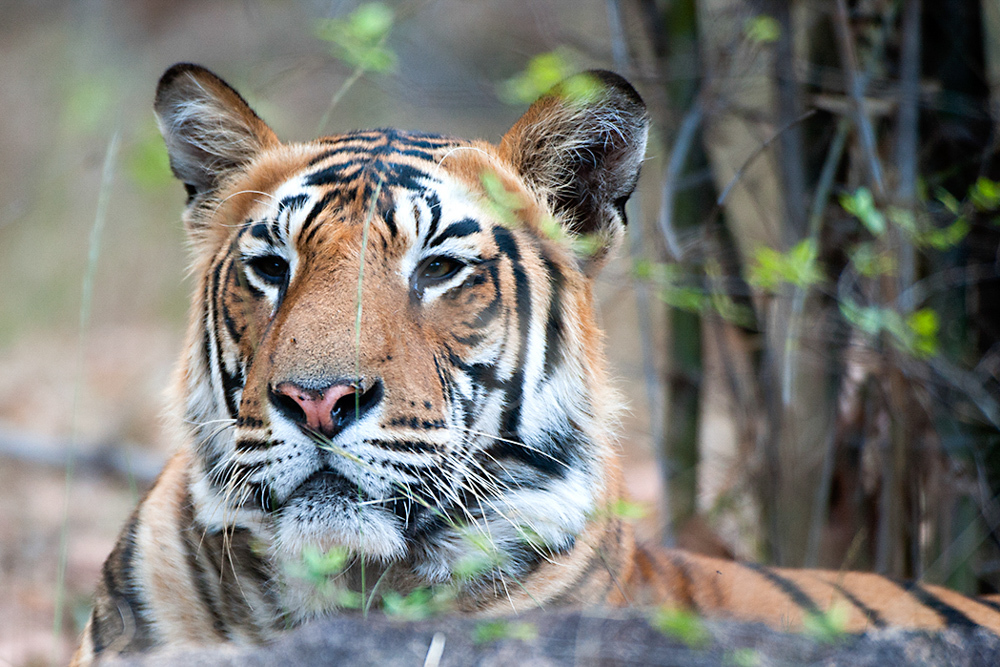
The Bengal tiger, scientifically known as Panthera tigris, draws the eye. In the collective imagination, this great cat embodies a duality between ferocity and tenderness.
A mysterious feline, subject of countless stories and legends across eras and cultures. An animal both feared and respected, spoken of with fascination. It is one of the most emblematic and majestic tiger subspecies.
Its bearing embodies quiet strength above all, yet its roar makes the canopy tremble. This enigmatic animal displays power, authority and courage. Like the African lion, the tiger is king of the jungle.
A symbol in Chinese astrology, this great cat represents the bravest of animals. The character traits associated with this sign are courage and a competitive spirit.

© Alain Pons
Embracing this dream of contemplation brings a sense of admiration and respect for nature. This encounter gives the photographer an opportunity to capture striking images and deepens one’s appreciation of wildlife.
Knowing how to listen to the jungle is essential to tracking the tiger in its natural habitat. Observing the tiger demands patience and perseverance. The encounter with this majestic creature is not an end in itself but a moment of life of rare beauty.
Today, around three thousand tigers live across the fifty reserves and national parks dedicated to them in India. Home to remarkable diversity and a rich ecosystem, these national parks serve as sanctuaries for wildlife. As an Indian proverb says: “When you have seen a tiger, the tiger has already seen you a hundred times.” Fascination, intense joy, humility, adrenaline and respect are among the feelings experienced deep within the jungle.
In recent years, nature tourism has seen a genuine surge in popularity. Mass tourism has developed around encounters with wild animals and non-consumptive activities such as observation and photography. In India, the parks renowned for tiger sightings are flooded with travellers eager to experience this ultimate encounter. These highly sought-after places do not allow for the kind of feline discovery that Étendues Sauvages embodies — a vision of places that are both unusual and intimate, allowing you to live these experiences in their purest form.
The alternative is to travel against the current, off-season, for personal moments that are generously, almost selfishly, close to nature.
India and Nepal are today the strongholds of this species and invite you to experience a delicate, silent encounter with the tiger within parks far removed from mass tourism.
In India, for example, national parks such as Pench, Kanha and Tadoba now allow sightings of sizeable tiger populations, away from the heavily visited sites of Ranthambore or Bandhavgarh. That said, “sizeable population” must be put into perspective in a country where fewer than 3,000 tigers are recorded by Wildlife India.
In our view, it is in Nepal, at the foot of the Himalayas, that conditions are most compelling. While Chitwan remains a safe bet, it is still the country’s most visited park, though it does not reach the levels of visitor traffic seen in India — likely due to its proximity to Kathmandu, which offers easier access.
Further west, within Bardia National Park — nicknamed “the gift to the earth” — the full magic of the Terai comes into its own. Far from mass tourism, it is home to numerous species of the Indian subcontinent. The park’s extraordinary diversity is largely due to its isolation.