A November morning in 2023, 5:37am
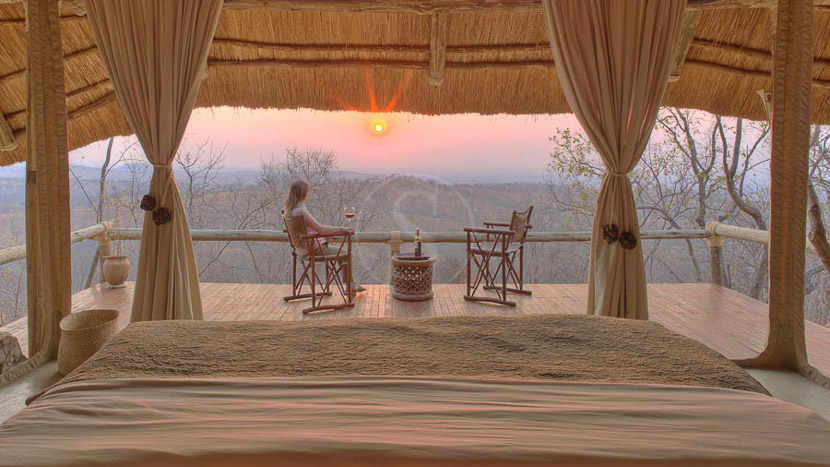
Ikuka Safari Camp is just waking up. The deep blues of night fade into the orange-pink hues of dawn, seen from this eagle’s nest with its sweeping panoramas. The breeze carries a mix of damp earth, dry grasses, and… the scent of coffee. Time to go!
The winding track descends the thousand-metre drop of the escarpment, skirting volcanic rock formations, candelabra cacti and centuries-old baobabs. Below, a long line of palm trees marks the banks of the Mwagusi River. This morning, the sandy riverbed, as dry as it is golden, hosts the games of a family of jackals.
A glance back and, in the heat haze, Ikuka Safari Camp has vanished, a fleeting mirage.
At the end of the track, the vast plains of the Little Serengeti open up. My safari for the day begins…
Amandine,
Africa specialist for Étendues Sauvages
Ruaha. Here, the safari enthusiast is far from everything. The nearest village is sixty kilometres away, and tourists are few and far between.
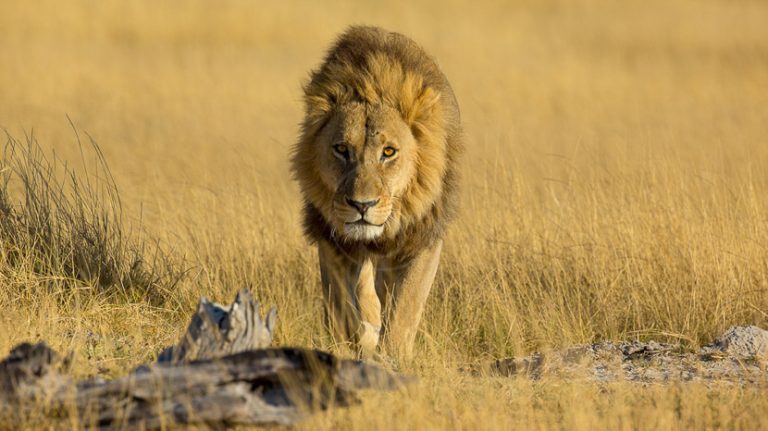
In complete tranquillity, you watch elephants digging into the beds of the Ruaha and Mwagusi rivers. For hours on end, you track lions, which are particularly numerous here. According to National Geographic, Ruaha may be the park with the highest concentration of lions in the world.
Here, no untimely noise disrupts the meditation. Only the centuries-old baobabs and tall palm trees wave from a distance. Sometimes, the big cats don’t deign to show themselves. No matter — the beauty of the journey has nothing to do with the number of animals seen.
Here, there’s no point rushing from one “spot” to the next. Better to settle in and capture, like a painter, every shade of grey in the landscape, or, like a musician, pick up the pulse of life, far from the tumult of the world.
Here, nature is not consumed. It is lived. At its own pace, revealing to each day’s visitor only what it chooses to.