Paul spent six months in Iceland, from February to August 2023, on an internship at Össur, one of the world’s leading prosthetics manufacturers. With his weekends and a total of fifteen days off to explore the country, he studied the maps and built himself a tailor-made programme of excursions, from the most touristic to the most adventurous, to take in as much of Iceland’s nature as possible.
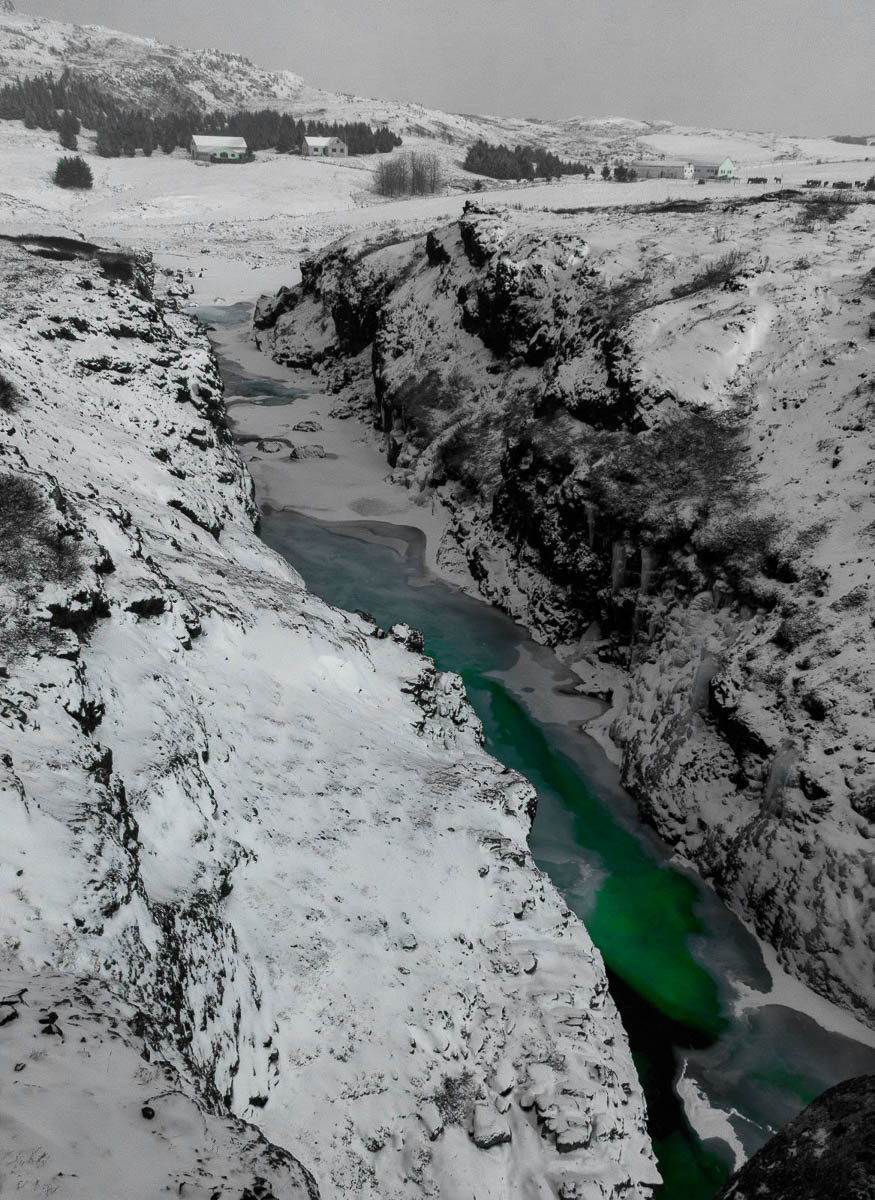
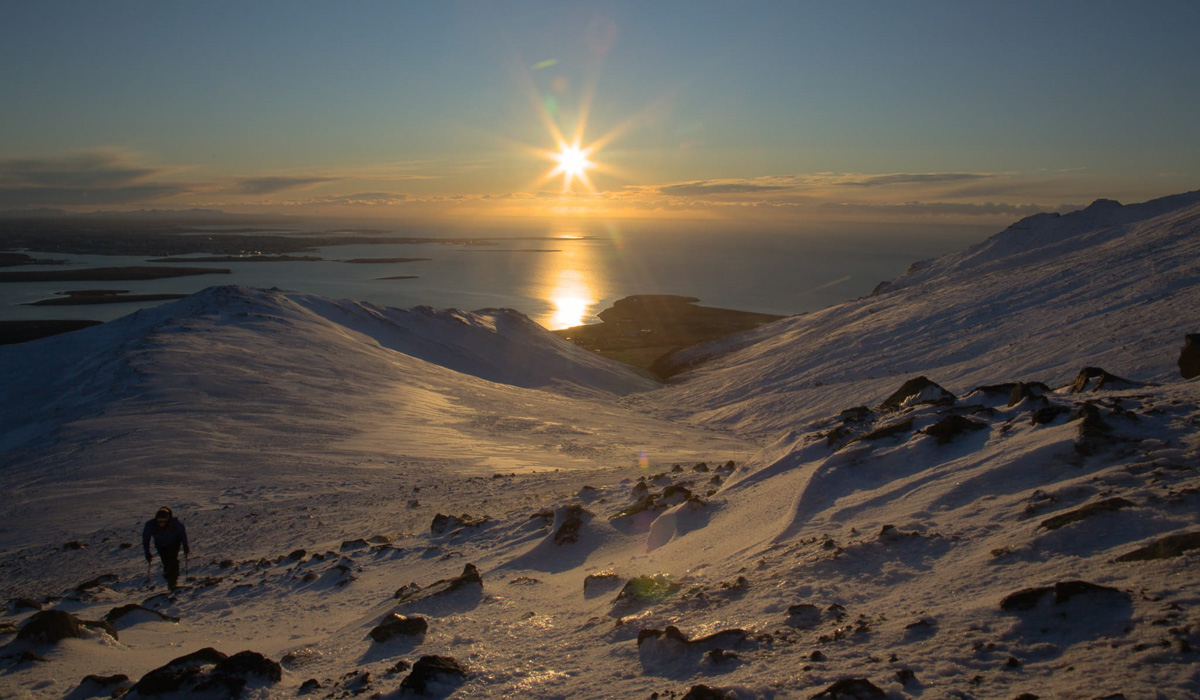
Among the three major zones one must have explored, our student also cites the Snæfellsnes peninsula, “a miniature Iceland, barely two hours from Reykjavik, which I discovered in early March, at -15°C, standing in snow under a stormy sky. The light was extraordinary, and I was completely alone” — and of course the majestic Westfjords. “It’s a very special place, with a harsh climate. One of the most sparsely populated areas in the country. It’s only accessible from spring to autumn. In winter, it’s almost entirely cut off from the world. I discovered it in July, with a friend who joined me for the occasion.”
Among the standout moments of this exploration?
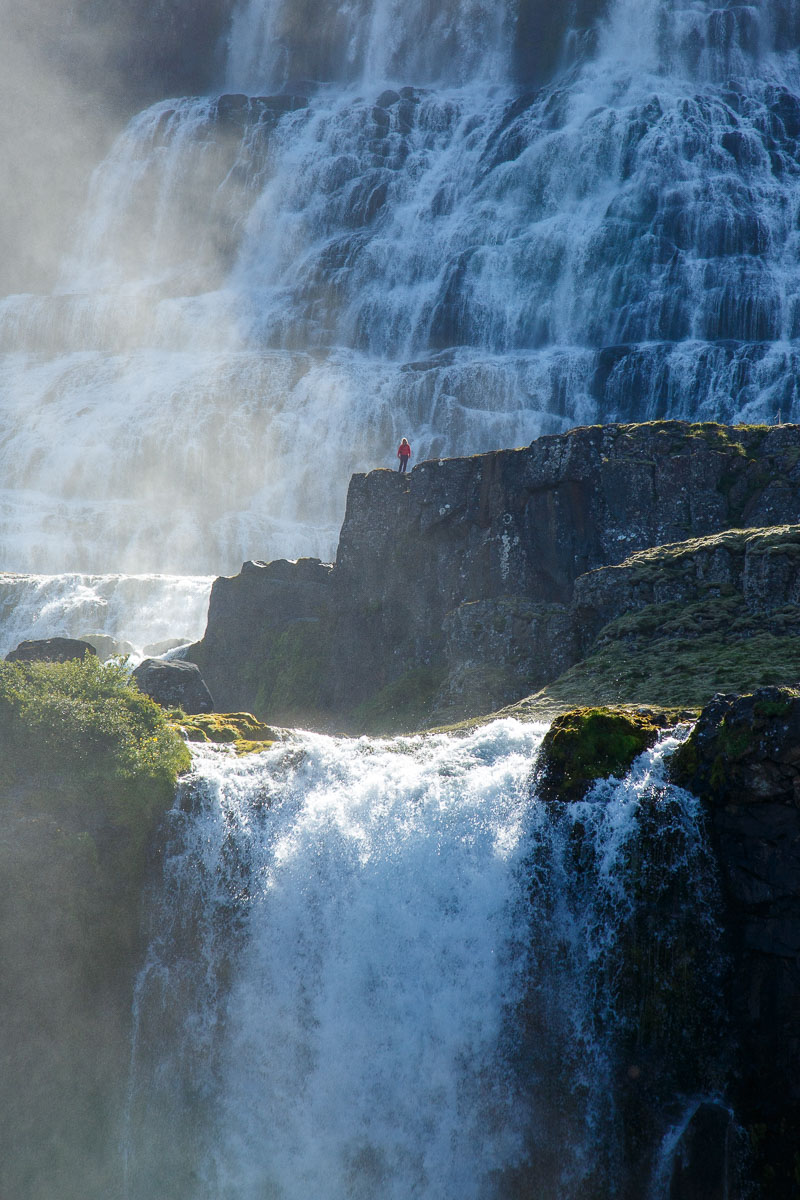
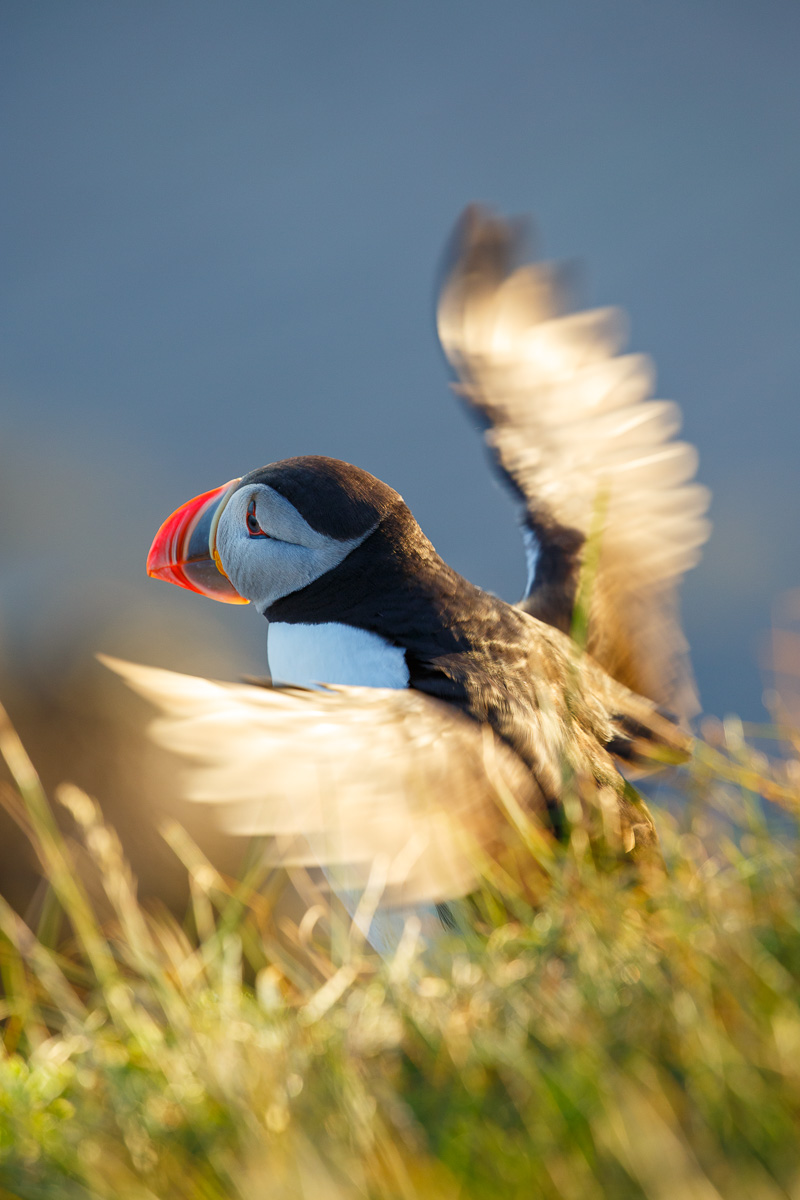
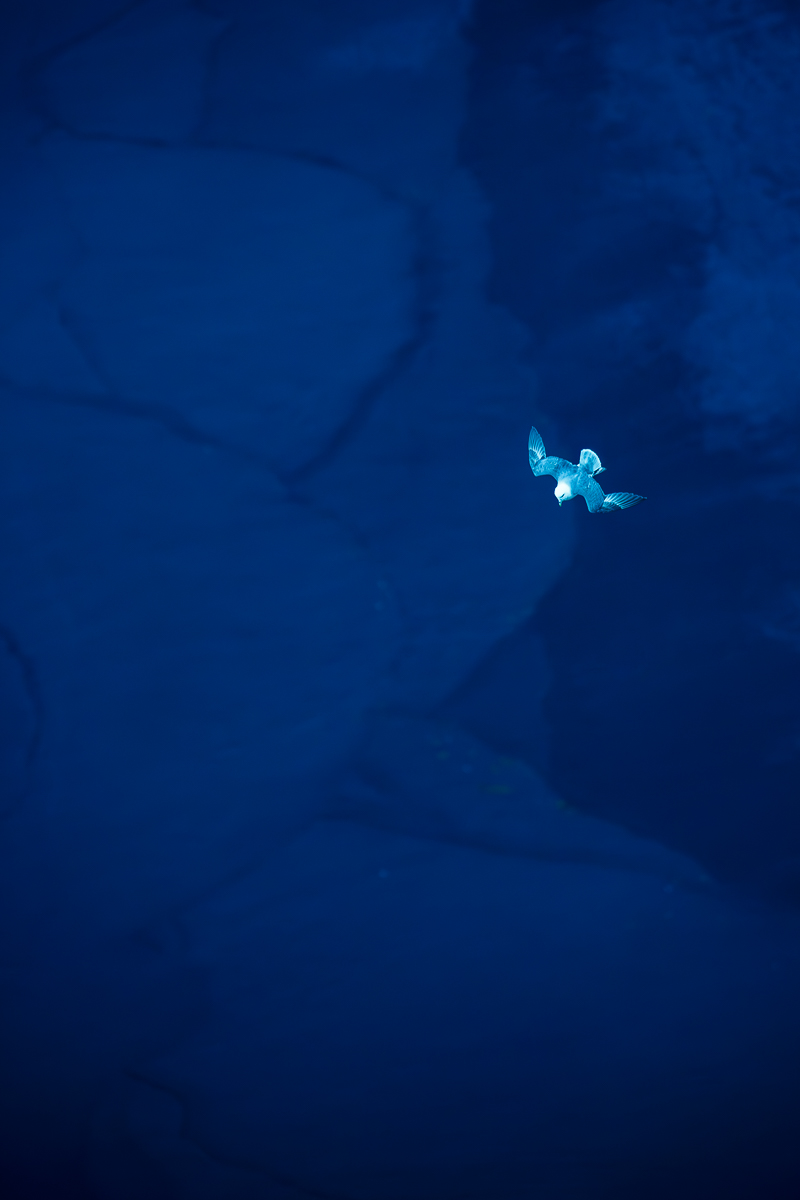
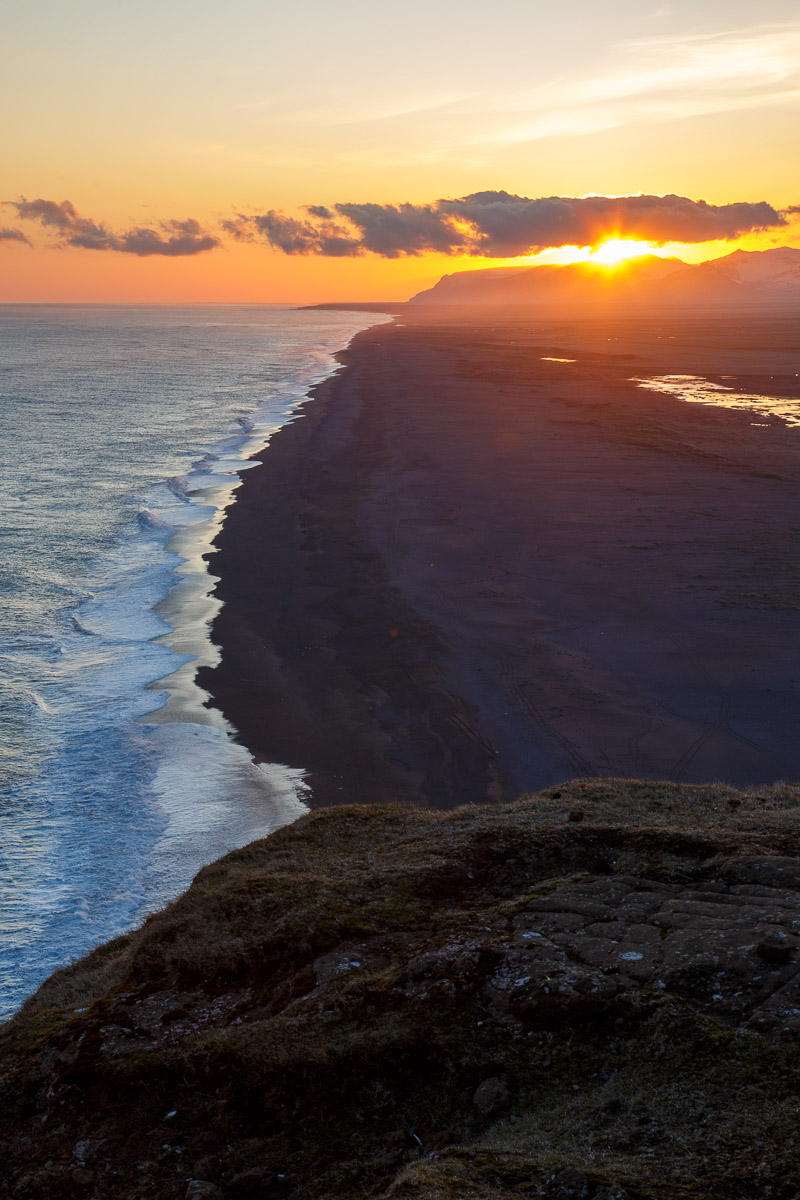
“The landscapes there are breathtaking too, with monumental fjords carving the coastline into a lace of peninsulas. But if I had to pick two places, I’d say Vatnajökull National Park with the Svínafellsjökull glacier, and also the Dynjandi waterfall tucked away at the end of Arnarfjörður. It has an unusual shape, cascading down a mountain in stepped tiers for a hundred metres before fanning out at the bottom to nearly sixty metres wide. A sheer marvel on a bed of fluorescent moss! Then there’s Látrabjarg fjord with its gigantic cliffs plunging into the Greenland Sea. Atlantic puffins nest there. The best time to see them is early evening, when the birds return from fishing. In summer, the sun stays up until midnight — we spent over two hours watching them. The light was extraordinary.”
Adventure… Paul wasn’t about to leave Iceland without experiencing it.
On the programme: a six-day self-sufficient trek through the Highlands, the wildest part of the island and one of the largest uninhabited regions in Europe. “That’s where you grasp the scale of it all. The panoramas there are towering, unreal, majestic.”
Paul discovered Iceland’s high plateaus on a first trek in late June, on the famous Laugavegur Trail, ranked among the top twenty treks in the world by National Geographic.
Three days of walking, nights camping, and sheer wonder at every turn — from Landmannalaugar, land of coloured mountains and geothermal fields, to the Skógafoss waterfall, passing through Þórsmörk, “Thor’s forest”.
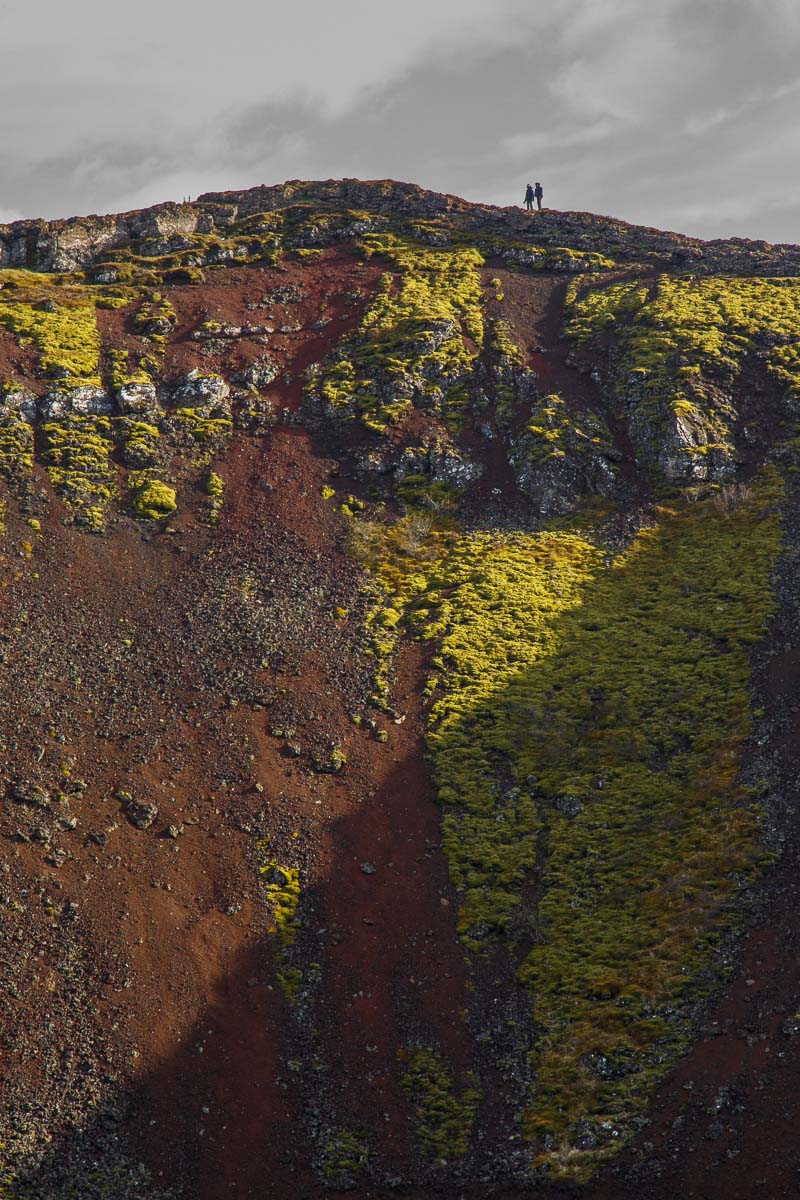
“The first two days are an explosion of colour, in landscapes where the black of obsidian cuts against the yellows, rust and caramel tones of rhyolite, sulphur and other minerals,” says the young explorer.
“On the third day, an oasis of green emerges from these infernal landscapes. A forest of dwarf birch, in a valley carpeted with volcanic moss. All of it hemmed in between the two immense glaciers of Mýrdalsjökull and Eyjafjallajökull, at the foot of vast lava fields. Fabulous.”
But demanding as this trek is, it’s still too crowded for anyone dreaming of a solo hike through these vast expanses. An adventure that takes careful preparation.
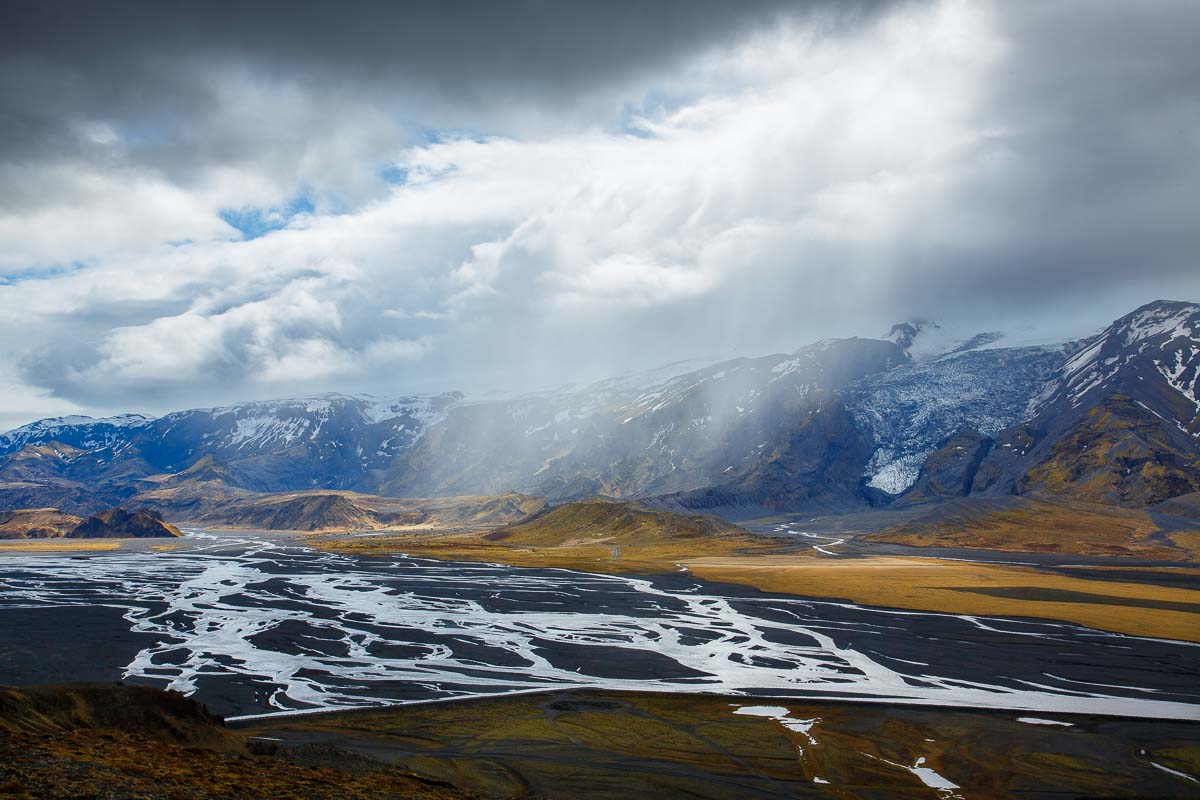
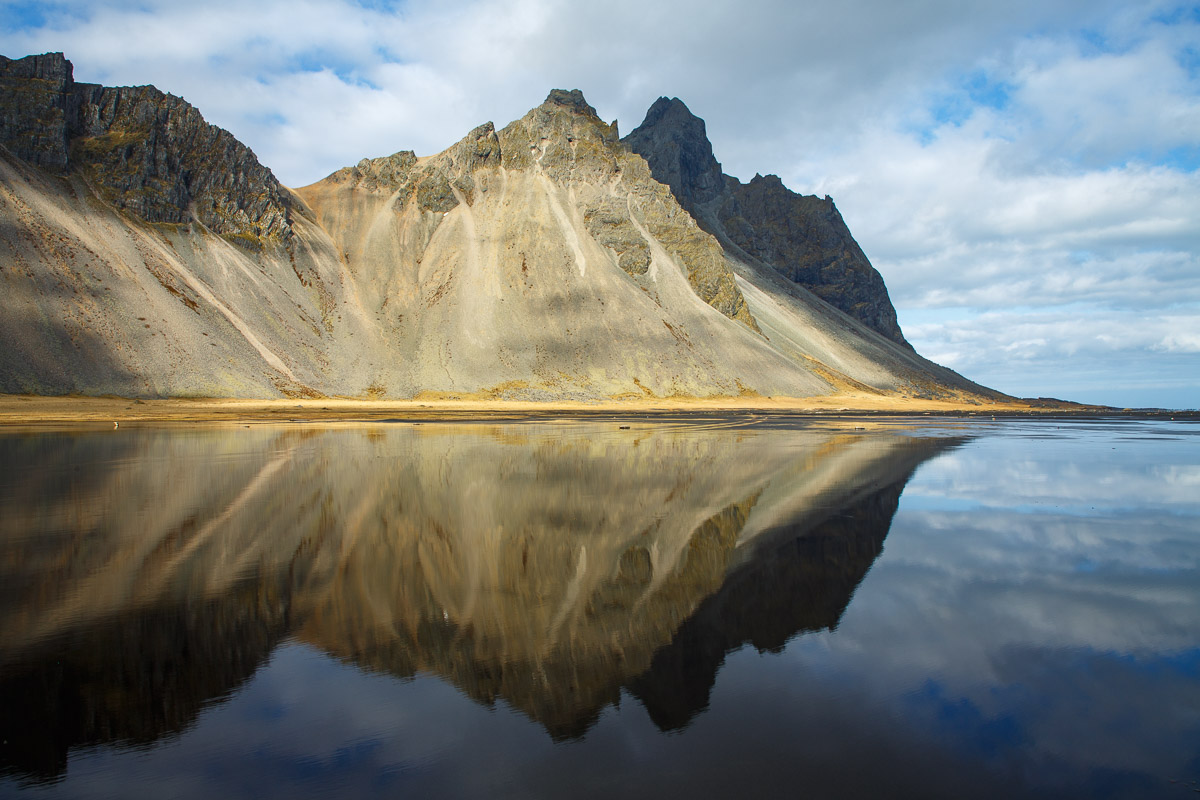
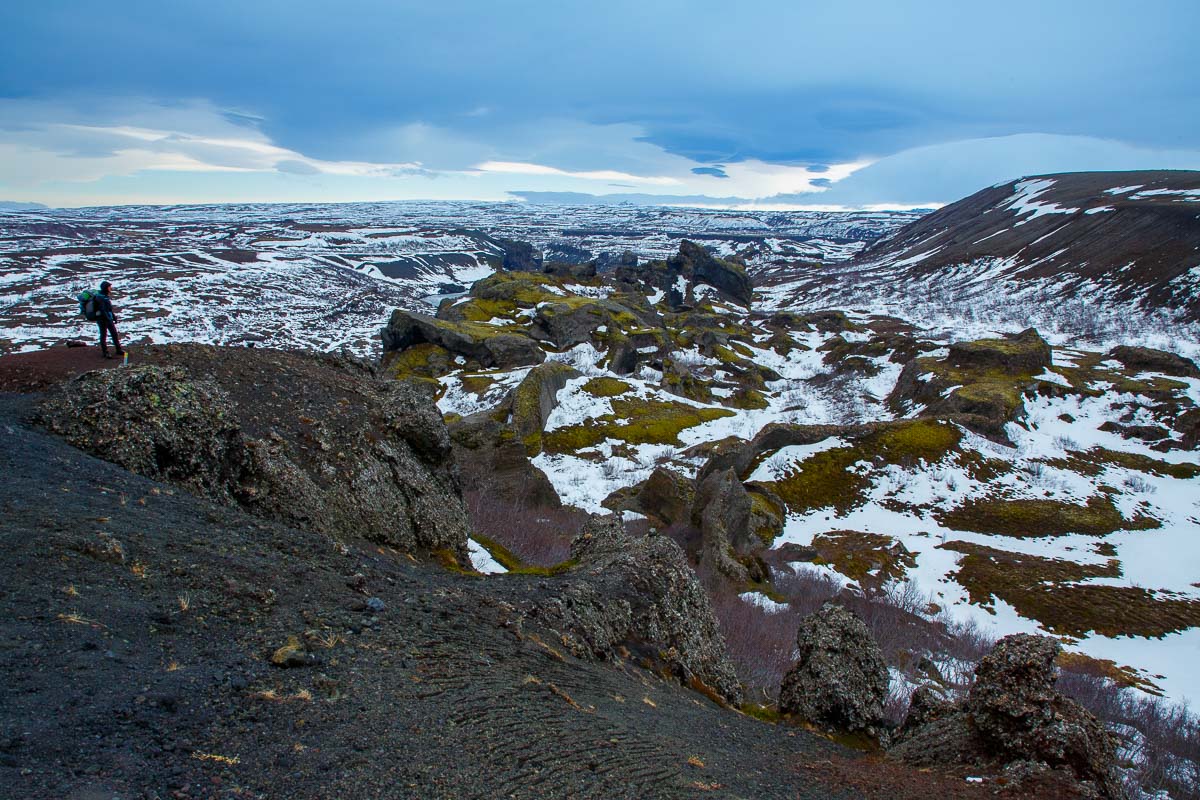
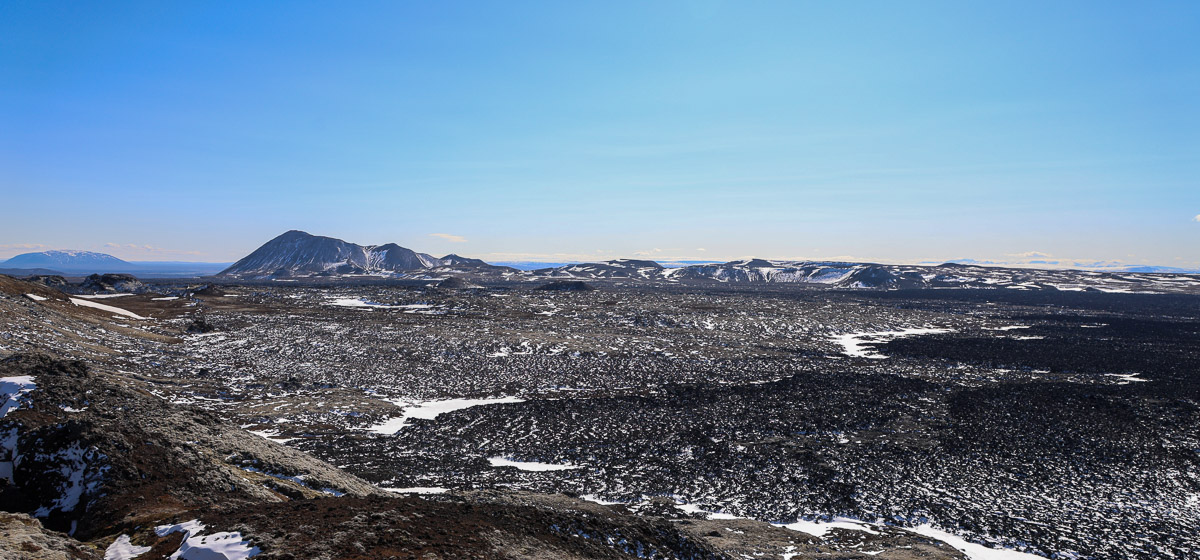
Paul studied the maps and consulted rangers about his chosen route and its difficulties. “The main challenges in Iceland are the river crossings, which can be treacherous when the water reaches your knees. That’s part of the adventure, but you have to be careful,” he explains.
“My goal was to explore the area around Landmannalaugar and the Fjallabak Nature Reserve, to reach Lake Langisjór.”
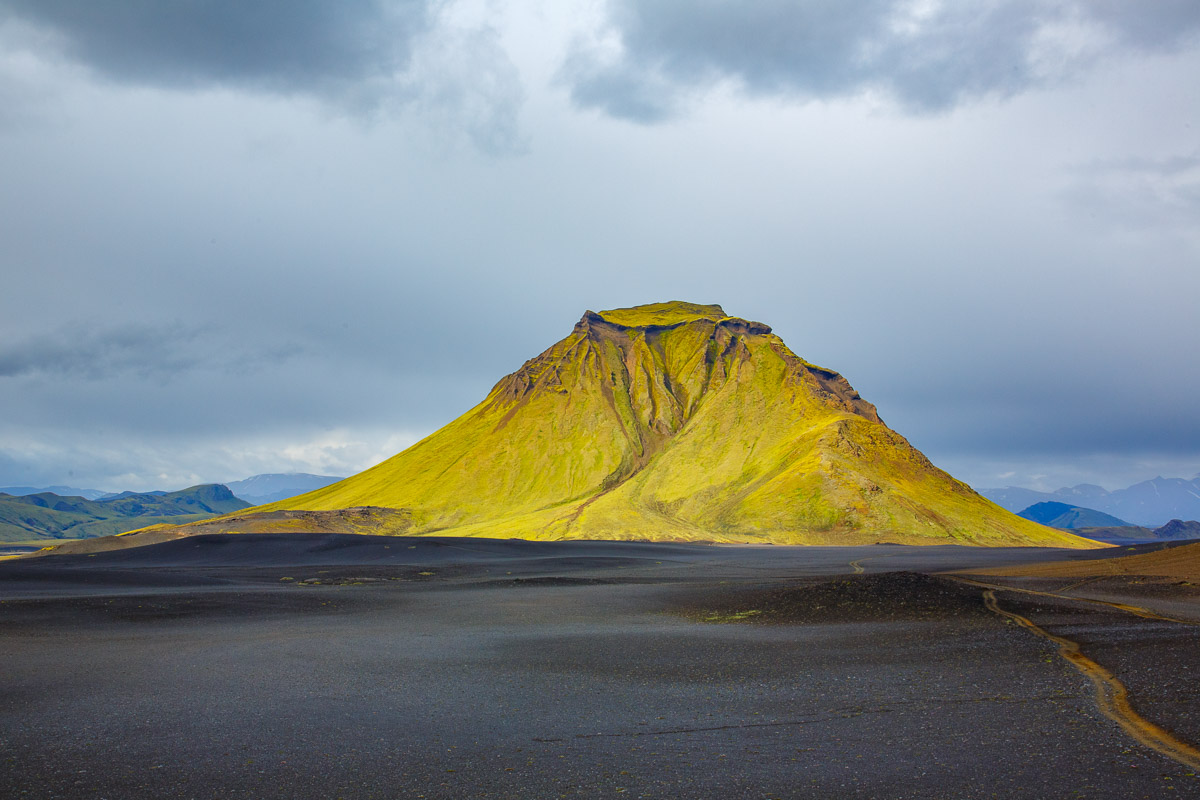
Nicknamed “the great sea”, this long, narrow lake stretches out in line with the immense Vatnajökull glacier. A campsite sits at the far end of the lake, an ideal stopover before heading on to the iconic Mælifell, a volcano covered in green moss, standing at the centre of the black sand plains of Mælifellssandur.
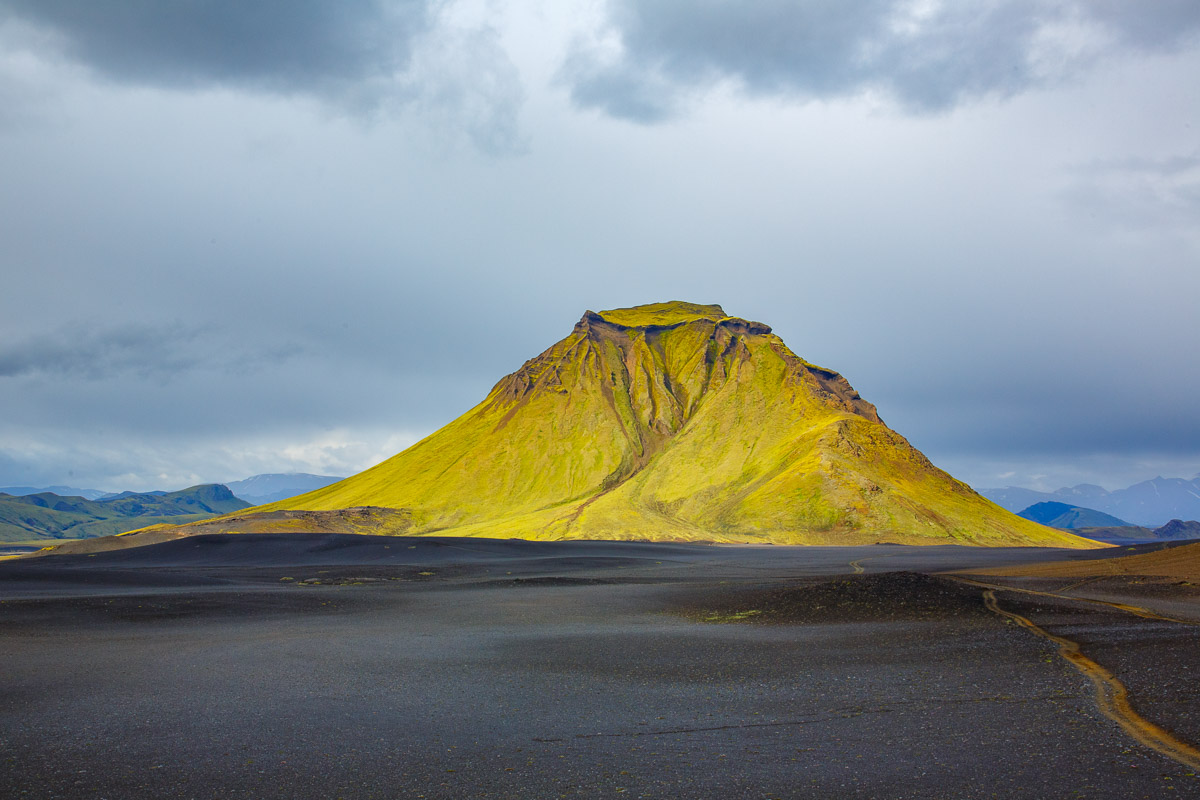
Utterly photogenic. The most intense moment of this journey? “Without question, the last day.
Having already covered a hundred and thirty kilometres, I was about to face the toughest stretch: twenty-five kilometres with fifteen hundred metres of elevation gain, and a deadline to meet — 4pm, the departure of the only bus back to Reykjavik.”
To meet the challenge, he set off a little before dawn, at 3:30am, but quickly realised his map wasn’t accurate. “In practice, the river I thought I’d be following calmly was joined by countless small streams and lined with fairly steep hills that slowed my progress. I was determined to see a mountain with an unusual green-coloured rock. I knew where to find it, but the terrain forced too long a detour. It was 9am, I still had fifteen kilometres to cover, so I decided to take a shortcut that looked feasible, to reach a plateau where walking would be easier.”
Luck was on his side — he reached the plateau, then picked up a gravel path running along the ridge of a striking ochre hill, up to the summit he’d set out to reach. “Of all the panoramas I got to take in, this was by far the most extraordinary. The sky was perfectly clear, I could see for miles around, all the way to the island’s largest glaciers.”
Challenge met! It was only 2pm, and Paul had just five kilometres of walking left, leaving him plenty of time to savour the moment: “I went through that whole day without crossing paths with a single living soul — all I could hear was the breath of the wind and the sound of my own footsteps.”
In that boundless solitude, amid nature as hostile as it is breathtaking, feeling the full intensity of the present moment is Iceland’s finest gift.
Iceland © Paul Guillot – Étendues Sauvages
Interview and writing: Marilou Desbois