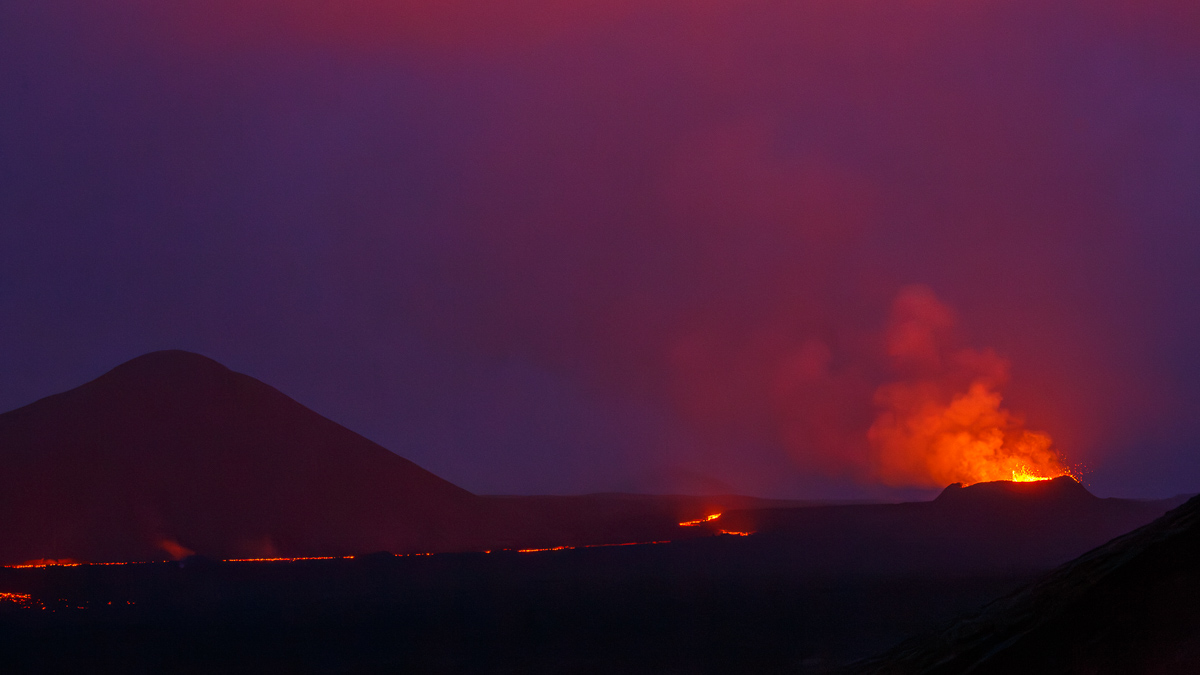
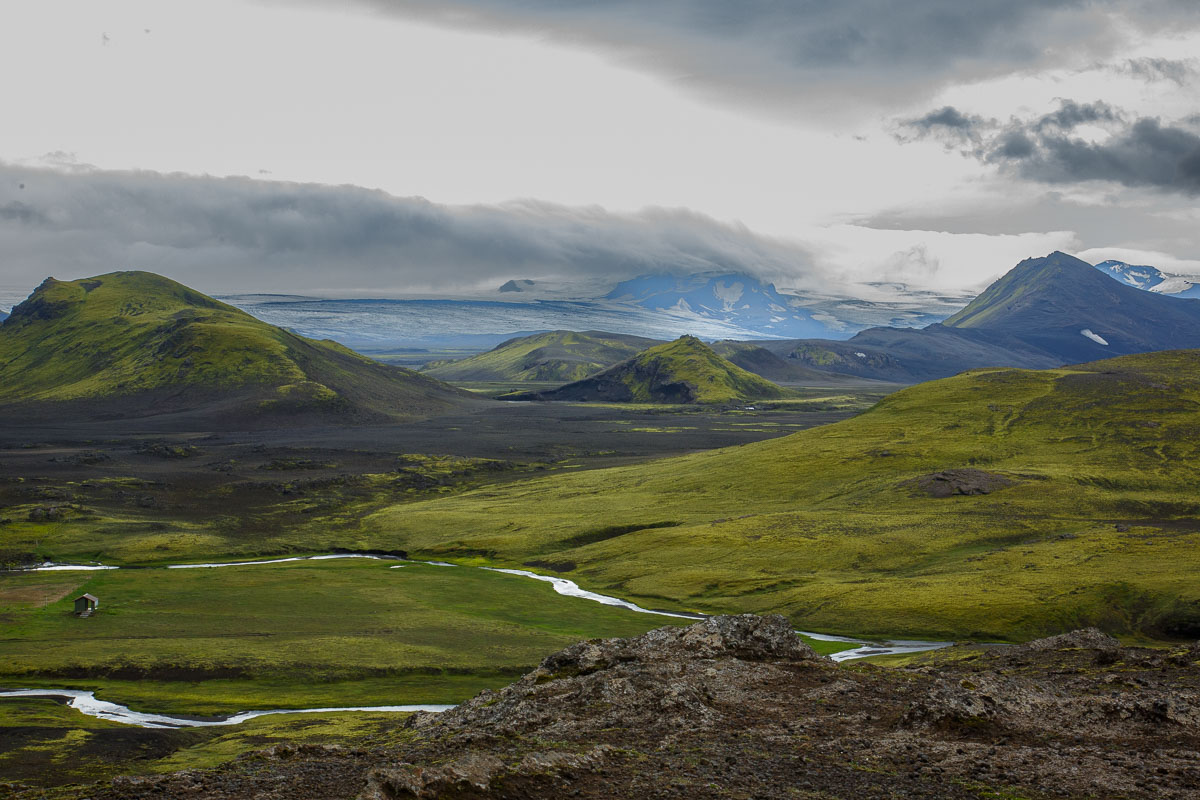
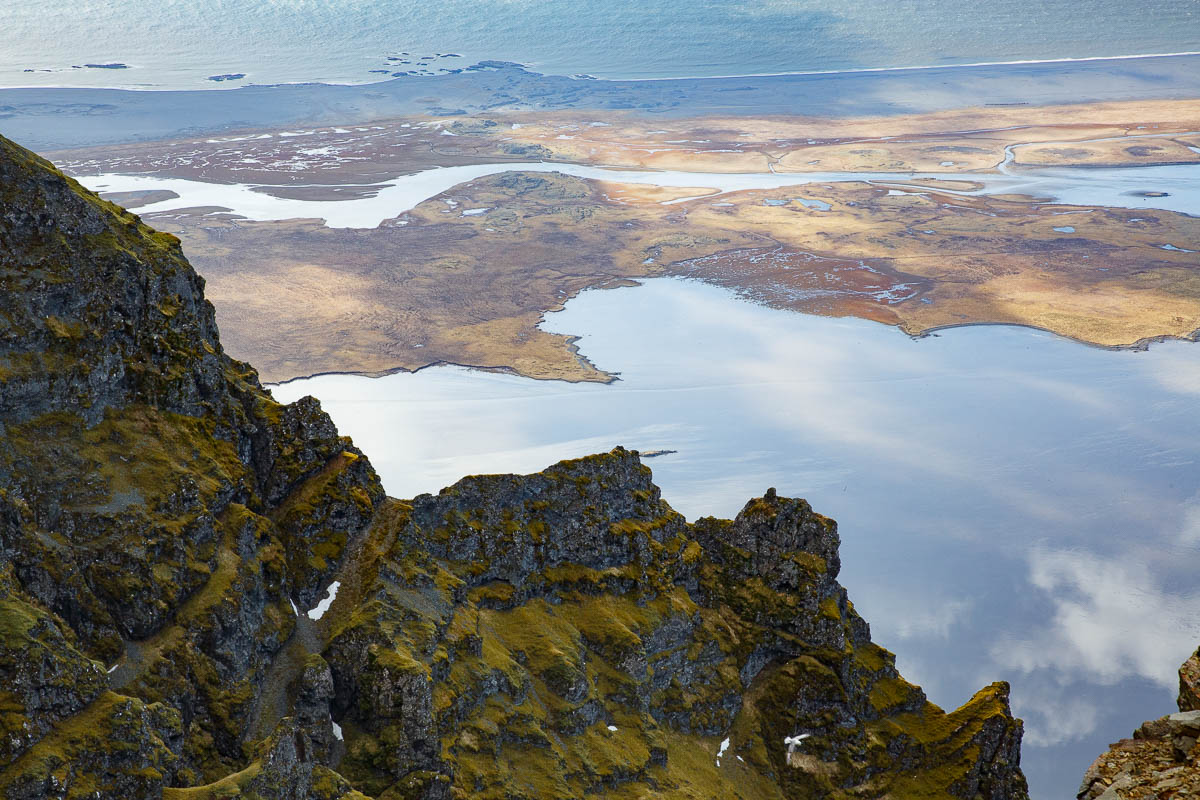
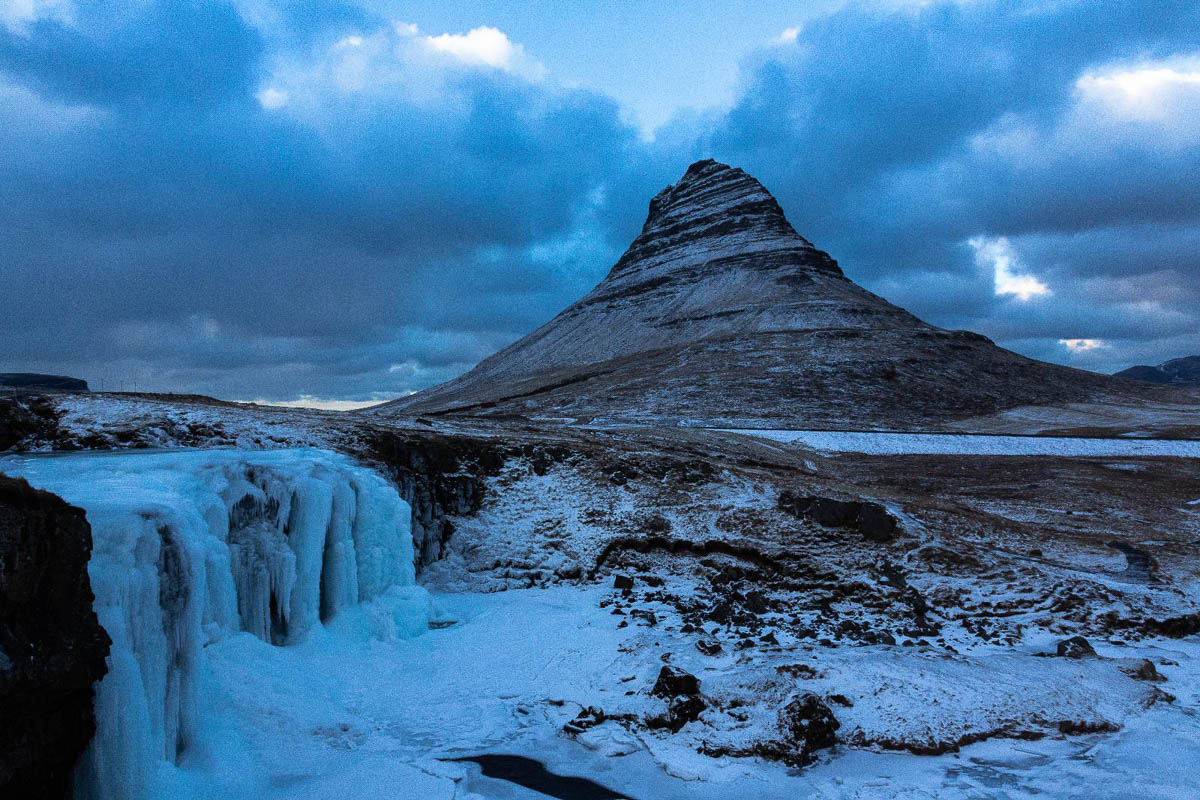
It’s an island adrift at the edge of the Arctic Circle. On a geological scale, a turbulent teenager barely twenty million years old, forging its landscapes through excess and sudden outbursts. Between majestic fjords, giant glaciers, restless volcanoes, scalding geysers and headlong waterfalls, travelling across it is a journey to the origins of the world.
An intense spectacle that must be earned.
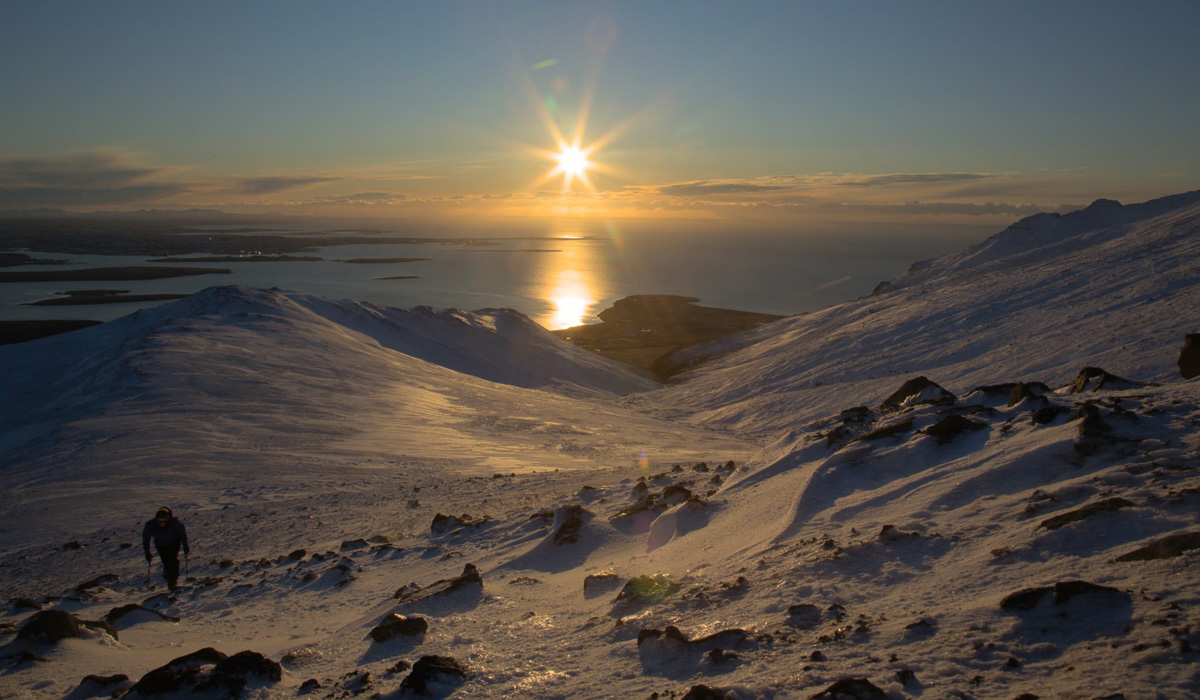
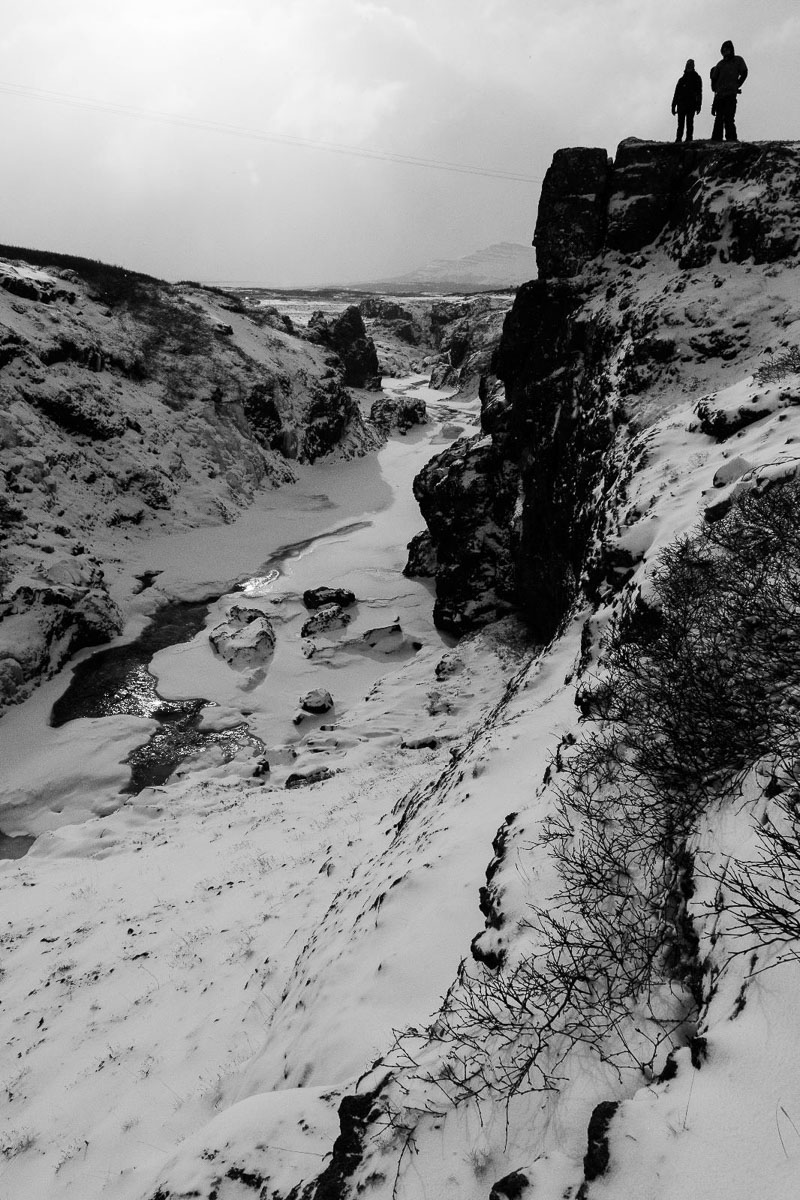
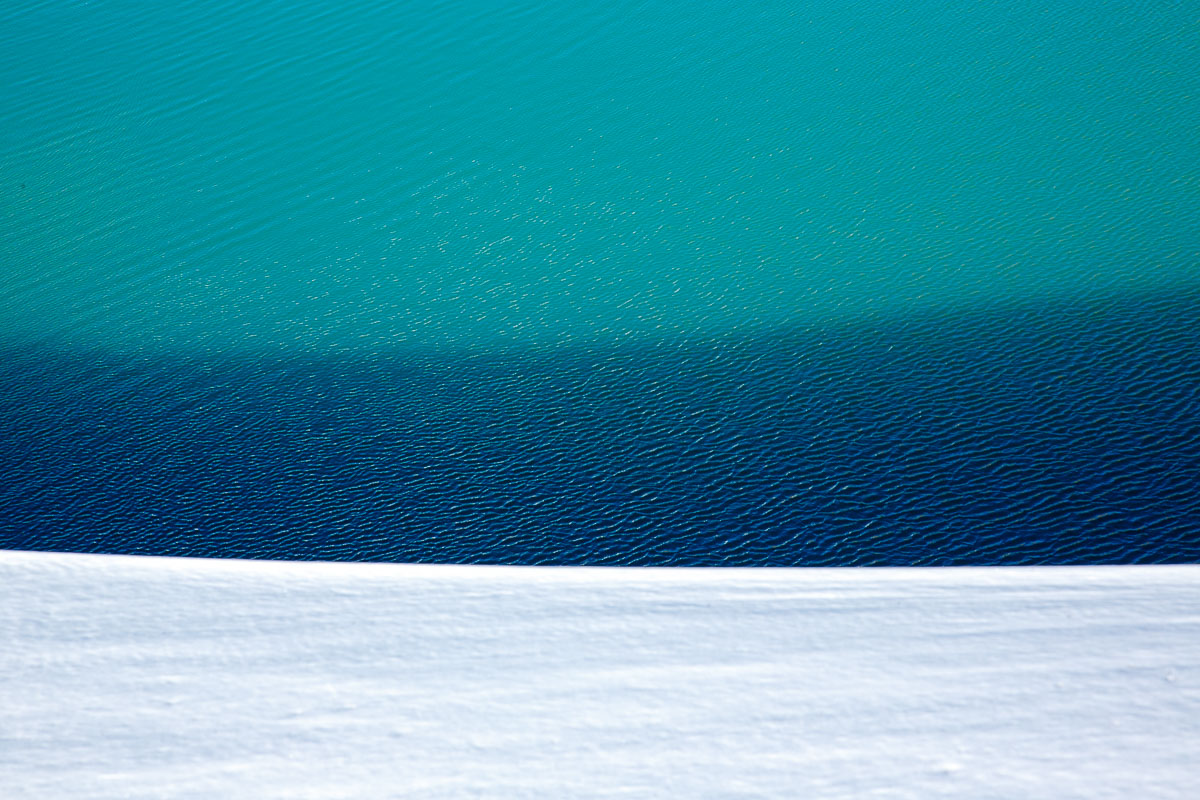
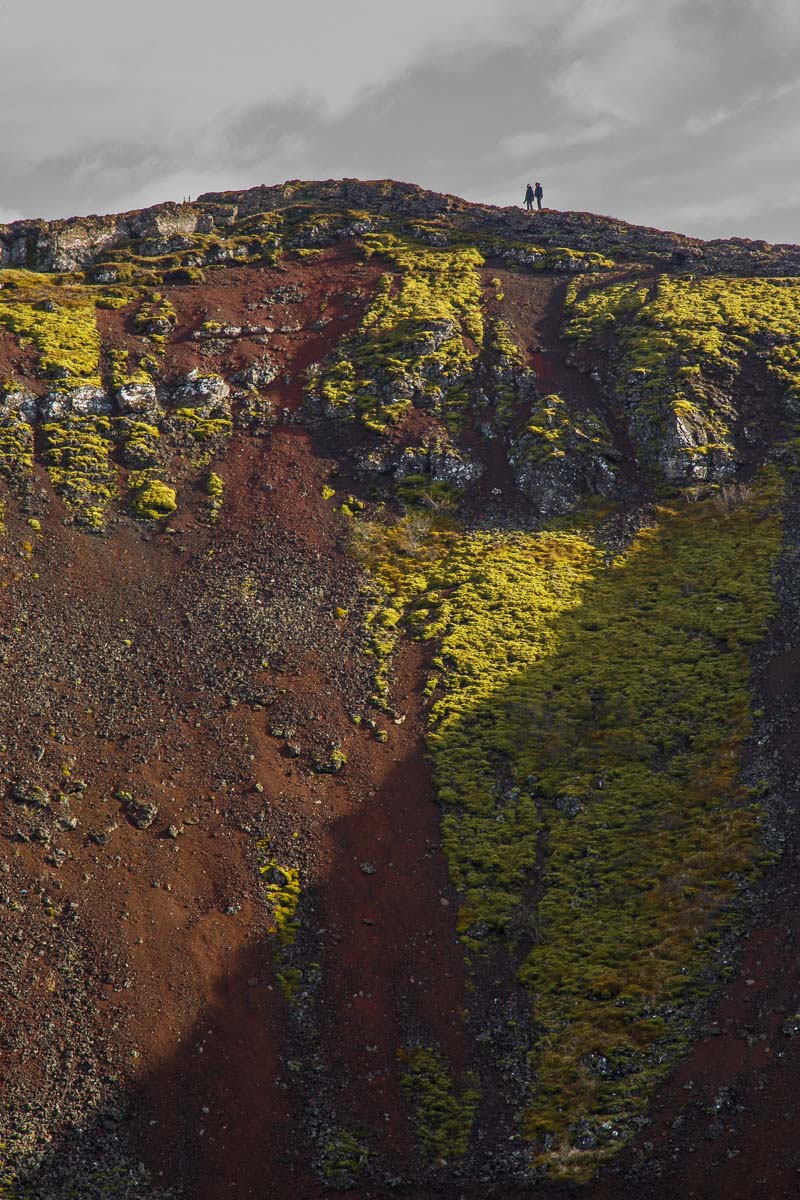
For scientists, Iceland, home to the greatest concentration of active volcanoes on the planet, is an extraordinary playground. An open-air laboratory where many of the natural phenomena that shaped our planet can still be observed. A living matter that pulses underfoot amid the fumaroles, warms bodies in hot springs, and reads itself across lava fields, rock strata and rift fissures. For the traveller, it is a constant visual shock between shadow and light, from sublime desolation to dreamlike valleys. It is also the sensation of walking on an unknown planet, the intoxication of wide open spaces.
Astonishment at every turn, starting right outside Reykjavik.
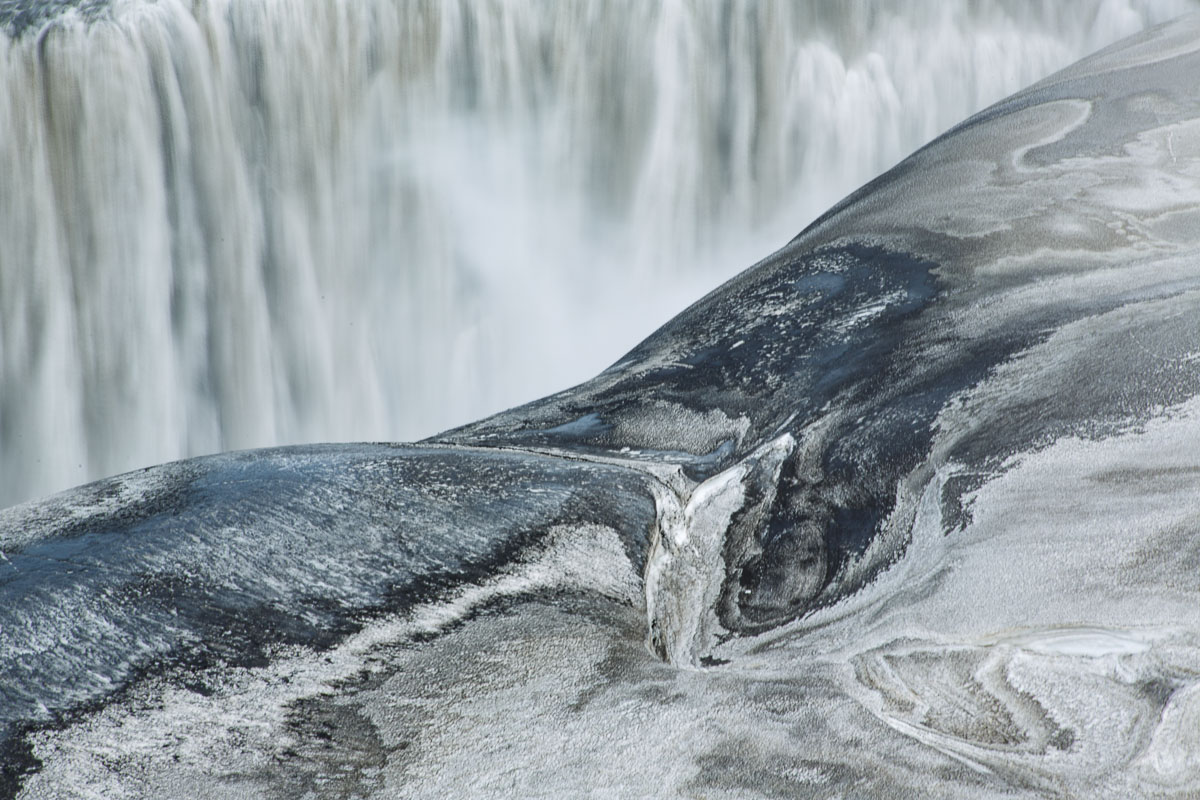
Fifty kilometres east of the capital lies the island’s largest national park, Thingvellir. A landmark of local history (home to the Althing, the world’s very first parliament, founded in 930), this World Heritage treasure also holds the immense Almannagjá rift, born from the meeting of the North American and Eurasian plates. A little further on is the Haukadalur valley, with its famous Strokkur geyser. Then Gullfoss, where the Hvítá river plunges into an amphitheatre of basalt columns. Sumptuous… These three major sites make up the stages of the famous Golden Circle route. A condensed version of Iceland, easy to reach. True, but it would be a shame to stop there.
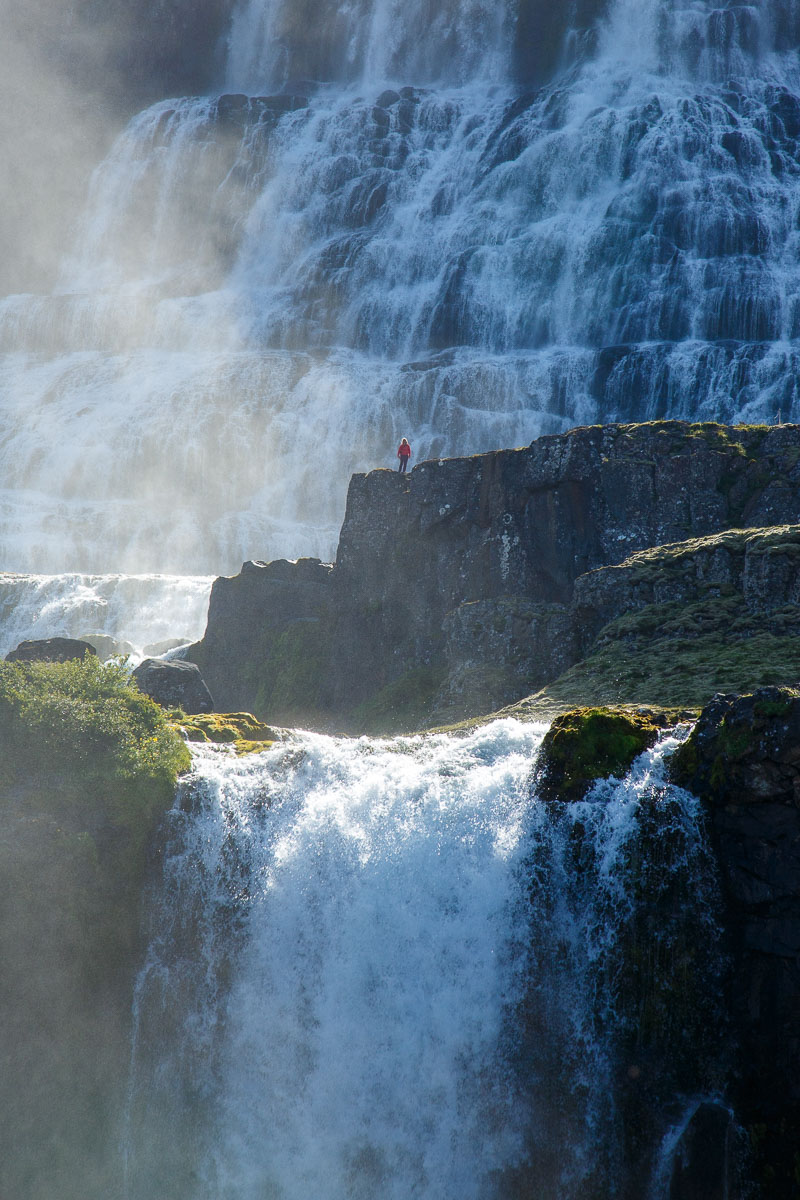
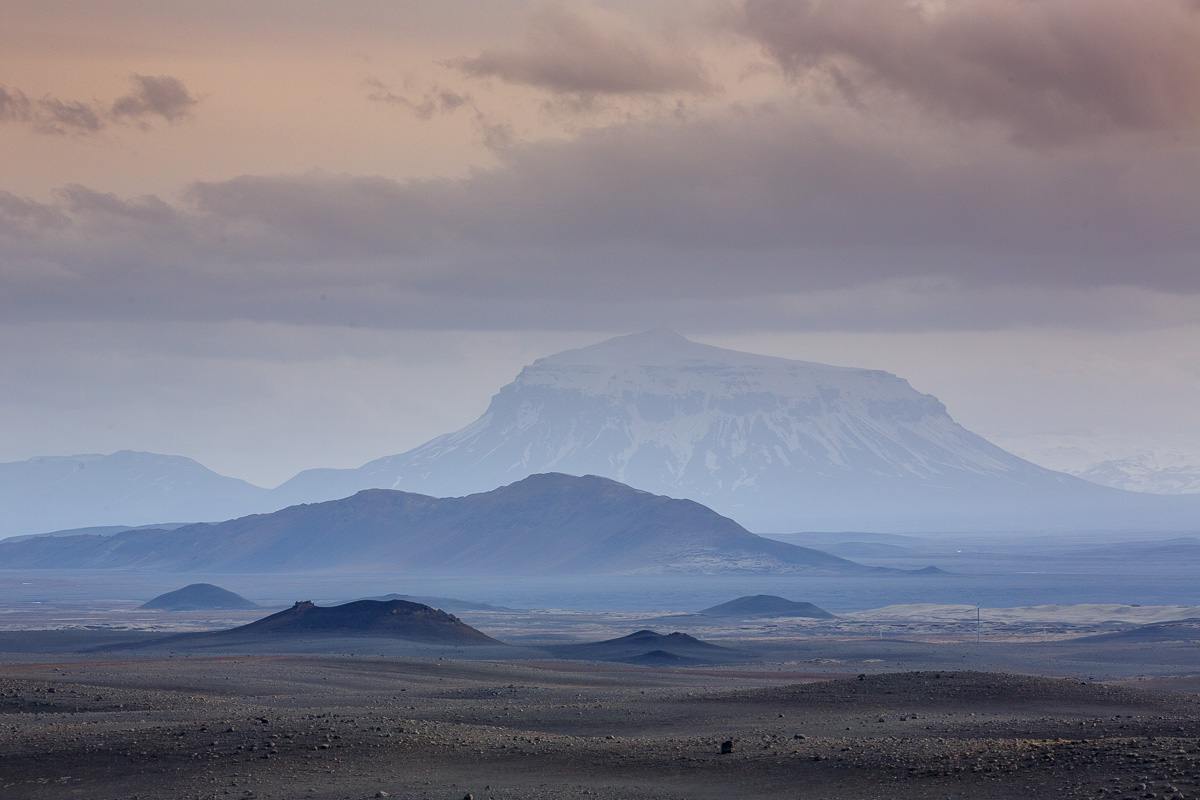
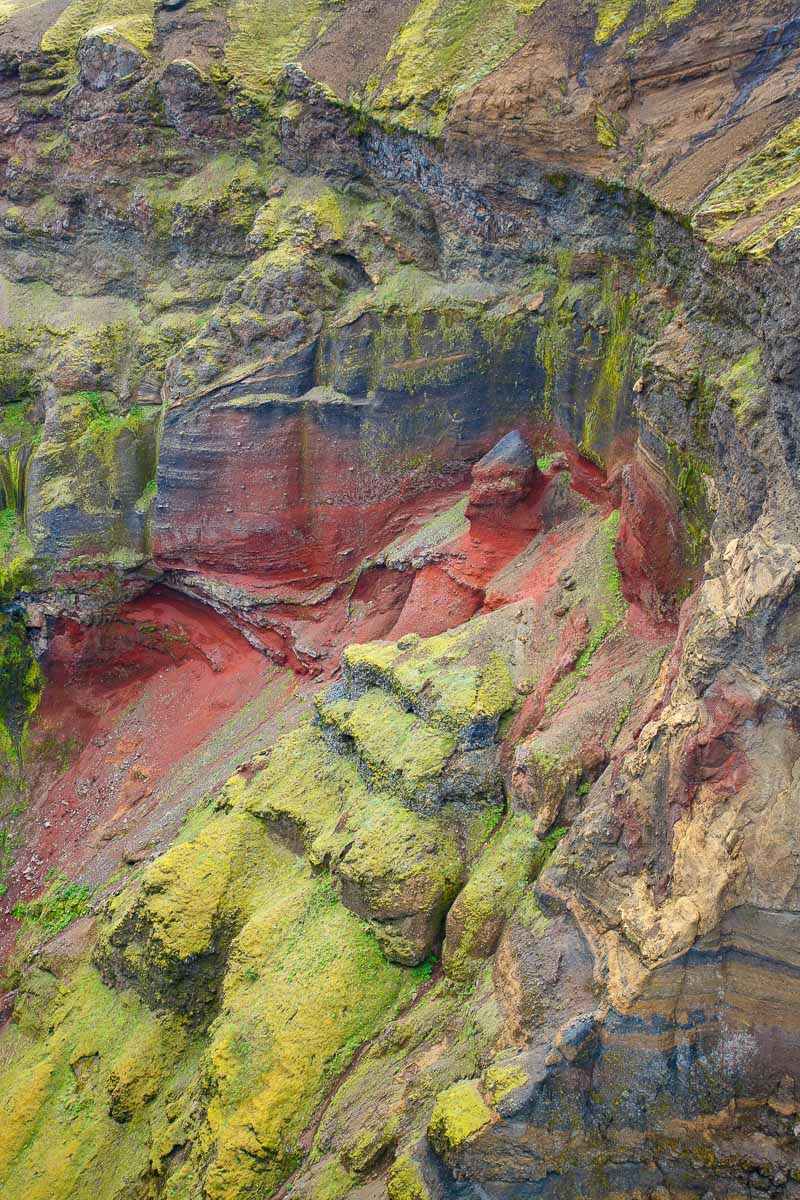
Going further… But where to start?
Paul asked himself the same question. An engineering student, he spent six months on the island, from February to August 2023, on an internship with one of the world’s leading prosthetics companies, Össur, a point of national pride. With only weekends and fifteen days of leave in total to explore the country, he pored over maps and put together his own tailor-made itinerary, from the most touristic to the most adventurous, to take in as much of Iceland’s nature as possible.
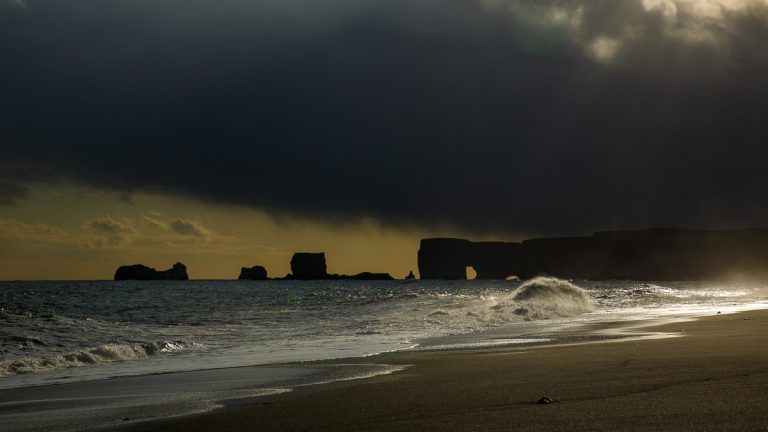
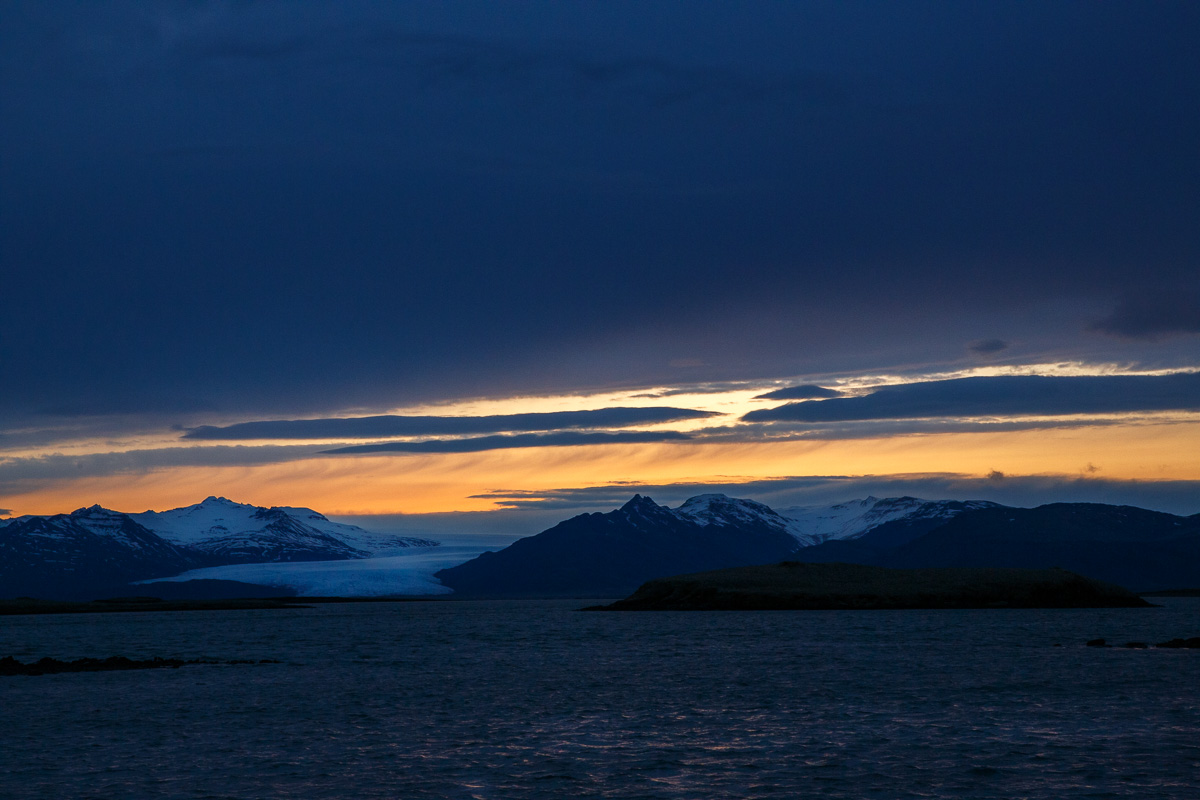
He naturally took Route 1, also known as the Ring Road since it loops all the way around the island. “The southern stretch is the most popular — it’s a magnificent coastal road that skirts the Eyjafjallajökull and Mýrdalsjökull volcanoes before reaching the vast Jökulsárlón lagoon at the foot of Vatnajökull, the largest ice cap in Europe.” A black sand beach, nicknamed Diamond Beach, where icebergs broken off from the glacier wash ashore, completes the picture.
Continuing along the road, you reach the Eastfjords, “a less touristic region, dotted with villages of barely five hundred people,” he says, “this is where Icelanders really settled!” Heading inland, towards the north, before reaching the lava fields and geothermal springs near Lake Mývatn, Paul stops at Leirhnjúkur: “it’s a remarkable region, striking for the vastness and almost unreal, near-apocalyptic look of its landscapes. The feeling of no longer being on Earth is overwhelming — it’s no accident that Apollo astronauts came here to train!”
Iceland © Paul Guillot – Étendues Sauvages
Interview and writing: Marilou Desbois